Is The Red Brick Art Museum Worth The Trip Out To Cuigezhuang?
An honest answer to whether the Red Brick Art Museum justifies the journey to Cuigezhuang in northeast Chaoyang, with ticket, transport and pairing advice for Beijing visitors.
Beijing's museum map tilts hard toward the center of town: Dongcheng, Xicheng, a strip of Chaoyang around 798. The Red Brick Art Museum breaks that pattern. It sits in Cuigezhuang, a quiet corner of northeast Chaoyang closer to the airport than to the Forbidden City, and it charges CNY 120 at the door, the highest admission of any art venue in the city covered on Beijing Museums. That combination, distance plus price, is exactly why the question deserves a straight answer rather than a brochure's enthusiasm.
Is The Red Brick Art Museum Worth The Trip Out To Cuigezhuang?
Yes, if contemporary art or architecture photography is a genuine priority and you have four or more days in Beijing, because the museum's brick gardens and exhibition halls are unlike anything in the city center. No, if you are on a first visit with only two or three days, because the same half day spent in Cuigezhuang buys you the Summer Palace or the Palace Museum instead, and those cannot be rescheduled into a future trip as easily.
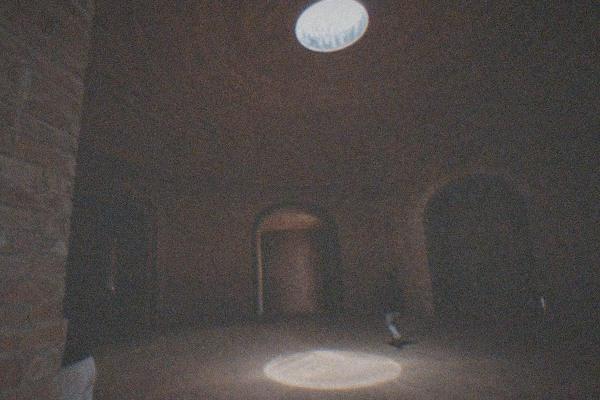
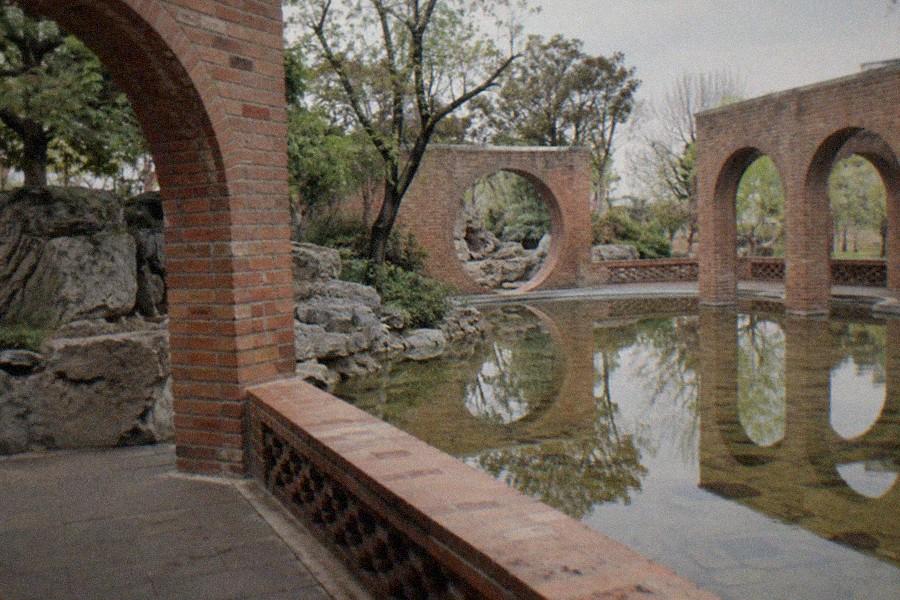
The honest framing is a trade-off, not a verdict. The Red Brick Art Museum is a purpose-built contemporary art space: a campus of red brick walls, water gardens, sunken courtyards and circular apertures, designed so the architecture itself is half the exhibition. Visitors who care about that come away calling it one of the most photogenic buildings in the city. Visitors who came mainly for the art sometimes find the show itself thinner than the setting, since the exhibition program rotates and a weak rotation leaves the gardens carrying the visit.
Distance is the second half of the question. Cuigezhuang is in northeast Chaoyang, well outside the museum corridor most itineraries follow. Reaching it means a long subway ride with a transfer or a taxi ride across a big chunk of the city, and the museum is not on the way to anything else a typical visitor is doing. It is a destination you go to on purpose, which is why the answer depends so heavily on how much Beijing time you actually have.
There is also the matter of how you buy entry. The museum has no third-party booking product; the recorded route is the museum's own channel, so you reserve or buy directly there, and no affiliate ticket exists anywhere. The door price is CNY 120, the closed day is Monday except holidays, and a reservation requirement is not recorded in the verified research, so check the museum's own channel before you go rather than assuming either way. For everything else on your itinerary, the trio below covers the bookable center-city icons.
What The CNY 120 Ticket Actually Buys You
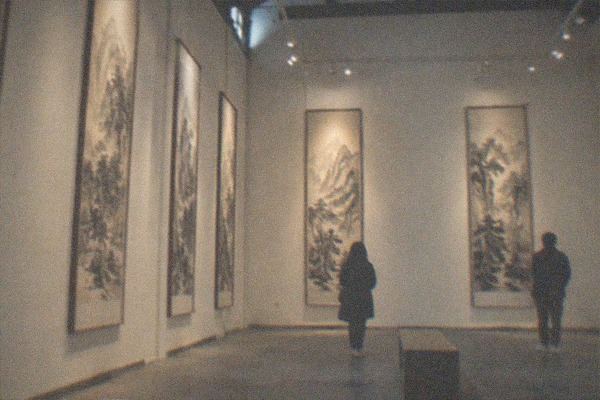
The door price of CNY 120 is the highest of the art venues covered on this site, and it buys the full campus: the rotating contemporary exhibitions inside the halls, the brick garden landscape, and the freedom to wander the courtyards for as long as the opening hours allow. It does not buy a guide, a workshop or any add-on; those are separate where they exist at all, and the exhibition calendar is the variable that decides the value.
Compare the number with the rest of Beijing's art scene and it stands out sharply. Poly Art Museum charges CNY 20 for its bronzes and Buddhist carvings. Guanfu Museum charges CNY 100, the next steepest, for a private antiquities collection. UCCA at 798 prices by exhibition and the standard figure is not published. The Red Brick's CNY 120 is roughly six times Poly's door, and the only way to justify it is to treat the visit as architecture plus art, not art alone.
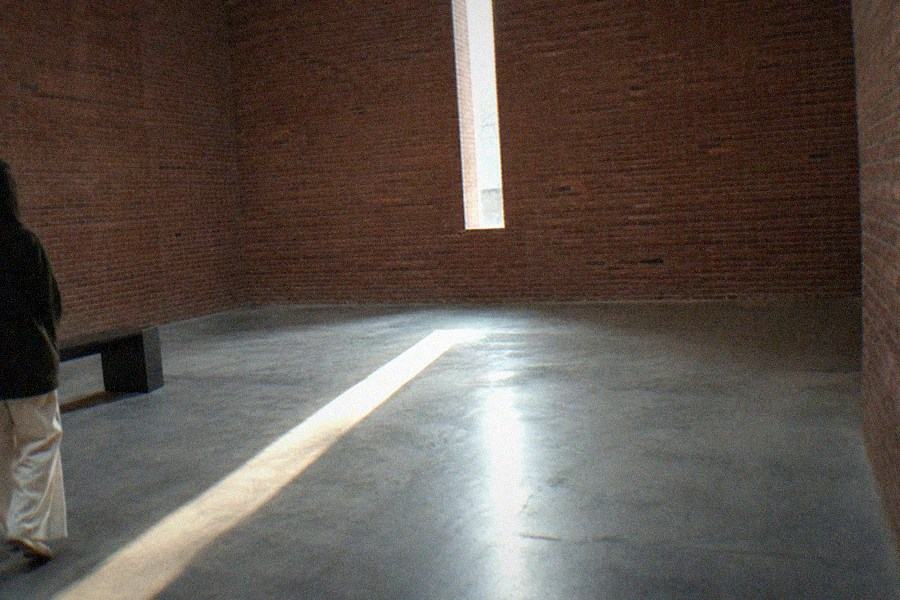
What that means practically: go on a day when the current rotation interests you, or go specifically for the gardens in a season when they photograph well. The brick forms circles, arcs and long sightlines that change character with the light, and the site was designed with that in mind. If your plan is to see "whatever is on" and move on, the price is hard to defend. If you plan a slow half day with a camera, it is easier to defend than any single ticket in the city center.
Timing matters more here than at most venues, because the ticket price makes a rushed visit the worst outcome. Check what is actually on the walls before you commit, since the exhibitions rotate and an off rotation leaves the gardens carrying the full value on their own. Morning and late afternoon give the courtyard walls their sharpest shadows, which is when the architecture earns its half of the price. Build in more time than a gallery stop would normally need; the campus rewards wandering rather than a direct route from door to exit.
One more comparison belongs here, because the question people actually ask is Red Brick versus 798. The 798 Art Zone is a district of galleries, many free, spread across walkable streets; the 798 Art District guide covers how to work it. Red Brick is a single campus with one door price and a designed landscape. They are different products: 798 for breadth and browsing, Red Brick for depth in one building. If you only have time for one and contemporary art is a casual interest, 798 wins on price and variety.
| Art venue | District | Door price | Closed day |
|---|---|---|---|
| Red Brick Art Museum | Chaoyang (Cuigezhuang) | CNY 120 | Monday (except holidays) |
| Guanfu Museum | Chaoyang | CNY 100 | Closed over Chinese New Year; shorter Monday hours |
| Poly Art Museum | Dongcheng | CNY 20 | Sunday and statutory holidays |
| UCCA Center for Contemporary Art | Chaoyang (798) | not published | varies by exhibition, commonly Monday |
The pattern in that table is the pattern of Beijing's private art scene: the independents charge real money, the state-adjacent venues charge little or nothing, and the free ones usually demand a reservation instead. That is the citywide system in miniature, and it is worth internalizing before you plan any museum day: free almost never means walk-in. Of the 31 venues this site covers, 22 require an advance real-name reservation and only 6 take genuine walk-ups.
A practical note on combining the two: because Red Brick closes Mondays except holidays, while 798's individual galleries keep varied schedules, a weekday visit to either needs its own check rather than an assumption. Red Brick's single-campus format also means a fixed route and a clear exit point, which makes it easier to budget time for than 798, where the district layout invites open-ended browsing. If you are pairing them on one itinerary, decide in advance whether the day is about depth or breadth, because the two venues reward opposite paces.
If Cuigezhuang does not make your final cut, the imperial trio is where most first and second visits should spend the time instead, and the Summer Palace is the easiest of them to pair with a relaxed half day: reservation required, door CNY 30, inner halls such as the Tower of Buddhist Incense closed Monday except public holidays.
How To Get To Cuigezhuang Without Losing Half A Day
Cuigezhuang is in northeast Chaoyang, far from the Dongcheng and Xicheng museum core, and the trip is a long subway ride with a transfer plus a taxi or a taxi for the whole way; budget a generous block of travel time each direction and treat the museum as a half-day commitment, not a quick stop between other sights.
The precise subway routing and timing are not recorded in this site's verified research, so do not take a specific minute-count from any guide, including this one: open a transit app on the day and let it route from your hotel. What the research does establish is the geography. Cuigezhuang sits toward the airport side of the city, which means travelers staying near the second or third ring road face a cross-town journey in at least one direction, and Beijing traffic makes the return leg unpredictable in the late afternoon.
The planning move that works is to anchor the day around the district rather than the museum alone. Northeast Chaoyang holds the 798 Art Zone, the China Railway Museum's Dongjiao Exhibition Hall and the Red Brick, and the first two are far easier to reach than the third from most hotels. A realistic day pairs two of the three rather than dashing for all of them, with lunch in the 798 area where the cafe density is high.
Two practical warnings from the citywide rules apply here more than anywhere. First, Monday: the Red Brick closes Monday except holidays, and so do most of the venues you might pair it with, so a Monday plan strands you in a district where nearly everything is shut. The museums open on Monday guide lists the exceptions if Monday is your only free day. Second, booking: nothing in this district sells through a third-party ticket you can buy from abroad, so the museum's own channel is the route, and the UCCA comparison question, is UCCA Beijing worth the ticket, has the same shape: a venue whose entry you sort out directly rather than through a booking service.
A note on timing the day itself. Because the travel is long and the museum rewards unhurried wandering, a morning arrival works better than an afternoon one: you give the gardens the softer light, you leave a buffer for the return journey, and you keep the evening free for something central. An afternoon start compresses the visit and puts the cross-town ride into the evening peak, which is the worst version of this trip. If the exhibition you want closes early on the day you can go, that is a sign to move the whole plan, not to rush it.
When To Go: Seasons, Light And The Monday Rule
Go on a weekday morning outside the national holidays, when the gardens are quiet and the low-angle light does the brickwork the most favors; avoid Monday outright because the museum is closed except on holidays, and avoid the first days of any statutory holiday week, when every designed courtyard in Beijing fills with photographers.
The seasonal logic matters more here than at a conventional museum because the site is landscape-dependent. The brick and water gardens read differently across the year: hard geometry in winter, green reflections in summer, and the shoulder seasons splitting the difference with softer light and thinner crowds. None of those seasonal figures is a verified fact about the venue, it is what follows from any outdoor garden in a continental climate, so weigh it as planning judgment rather than a promise.
The verified, non-negotiable part is the calendar. The closed day is Monday except holidays, the door price is CNY 120, and the reservation status is not published in the research, so the museum's own channel is the place to confirm both entry rules and the current exhibition before you commit the travel time. If the exhibition rotation is the reason you are going, confirming what is actually on is the single highest-value five minutes of planning you can do.
| Planning factor | What the verified facts say | What to do about it |
|---|---|---|
| Closed day | Monday, except holidays | Never plan Cuigezhuang for a Monday |
| Door price | CNY 120 | Budget it as a full museum day, not a stop |
| Booking | No third-party product; museum's own channel | Confirm entry and current show directly |
| Location | Northeast Chaoyang, Cuigezhuang | Pair with 798, not with Dongcheng |
What Else To Pair With The Museum In Northeast Chaoyang
The strongest pairing is 798 plus the Red Brick on a single weekday, using 798's cafes and free galleries as the flexible half of the day and the Red Brick as the fixed appointment; the China Railway Museum's Dongjiao Exhibition Hall is the third option in the district at CNY 20, though its reservation details are not published and its maintenance history means you should confirm it is open before routing around it.
That last caveat is real, not hedging: the Railway Museum's Dongjiao hall recorded a maintenance pause in late 2025 with a later reopening reported, and the verified facts list no reservation window for it. The which China Railway Museum to visit piece covers the choice between its halls. The point for this article is simpler: northeast Chaoyang rewards a loose plan with one anchor, because the district's venues do not share a booking system, a closed day or even a reliable opening status.
If your real interest is imperial Beijing rather than contemporary art, say so early in the planning, because the same half day reaches the Lama Temple in Dongcheng, door CNY 25, reservation opening 7 days ahead, and the temple is not strictly a museum even though this site covers it for exactly that reason. A morning at the Lama Temple followed by the Confucius Temple and Imperial College a few streets away, door CNY 30, reservation 1 day ahead, is a denser cultural half day than Cuigezhuang can offer, and it leaves your evening in the city center rather than on a cross-town ride.
If You Only Have Two Or Three Days In Beijing
With two or three days, skip Cuigezhuang: the Red Brick rewards a slow, deliberate visit, and a short itinerary cannot afford a half day of cross-town travel for a single venue. Spend that time on the reservation-heavy icons instead, the Palace Museum, the Summer Palace and the Lama Temple, because those are the bookings that sell out and the ones a booking service can genuinely save you from missing.
The arithmetic is unforgiving. A three-day visitor who spends a half day in Cuigezhuang has traded the Summer Palace, with its 4.7 rating across 1,144 reviews, or a Forbidden City morning, 4.5 across 655 reviews on the reservation product, for a rotating exhibition of unknown strength. The Red Brick is not a lesser museum, but it is the one that can wait: it will be there on your second visit, and its scarcity of tickets is nothing like the Palace Museum's, where the official quota sells out on popular dates and the museum itself warns that it has authorized no third-party agents.
The Palace Museum's position deserves spelling out, because it is the one piece of Beijing ticketing information almost no English guide carries. The museum states on its official site that it has not authorized any third-party institutions or individuals to act as ticket agents, and that it sells no same-day tickets at all, per its official visit page. The booking products this site links are reservation services: they book the official ticket under the passport details you provide, and they refund if the official quota sells out first. Both facts sit together, and a traveler should know both before deciding whether to use one. The National Museum of China runs the same free-but-reserved system, with its own window detailed on the official reservation page.
So the short-itinerary answer is a clean no, with a return-trip clause. Book the Summer Palace, door CNY 30, from $14 as a reservation product, and give the Lama Temple the morning you were tempted to spend in a taxi to Cuigezhuang. The Red Brick then becomes the reason to plan a second, slower Beijing trip, which is a better outcome than a rushed visit that costs you the gardens' best light.
For the four-day-plus visitor, the plan inverts. Day one and two take the reservation-heavy core: the Palace Museum, the National Museum of China, the Summer Palace. Day three takes 798 and, if the exhibition calendar cooperates, the Red Brick as the afternoon anchor, which is the visit the building deserves. Day four absorbs whatever sold out first, because in Beijing the booking window, not the door price, is the barrier that actually decides your itinerary. The how to book Beijing museum tickets guide walks the whole system, and the free museums in Beijing guide covers the venues where the reservation, not the price, is the whole game.
Common Questions About The Red Brick Art Museum
Is The Red Brick Art Museum Worth The Trip Out To Cuigezhuang?
Yes for visitors with four or more days who genuinely want contemporary art or architecture photography, because the brick gardens are unique in Beijing. No on a two or three day first visit, when the same half day is better spent on the Summer Palace or the Palace Museum, whose booking windows are the scarce resource.
How much does the Red Brick Art Museum cost?
The door price is CNY 120, the highest of the art venues covered on this site. There is no third-party booking product; the museum's own channel is the route for entry.
Is the Red Brick Art Museum closed on Mondays?
Yes. It closes Monday except holidays, the standard pattern for Beijing's museums, and most of the venues you might pair it with in northeast Chaoyang close the same day.
Can you buy Red Brick Art Museum tickets in advance from abroad?
No affiliate or third-party ticket product exists for this venue anywhere, so the museum's own channel is the only recorded route. Confirm the current exhibition and entry rules there before committing the travel time.
Is the Red Brick Art Museum or 798 better?
They are different products. 798 is a walkable district of galleries, many free, priced individually; the Red Brick is a single designed campus with one door price of CNY 120. Casual interest points to 798, a dedicated art or photography half day points to the Red Brick.