798 Art District: What To See In Beijing's Factory Art Zone
The 798 art district is Beijing's factory-turned-gallery zone in Chaoyang, and it works very differently from the city's ticketed museums. Here is what to see, what needs a reservation, and how to fold it into a wider Beijing itinerary.
Short answer
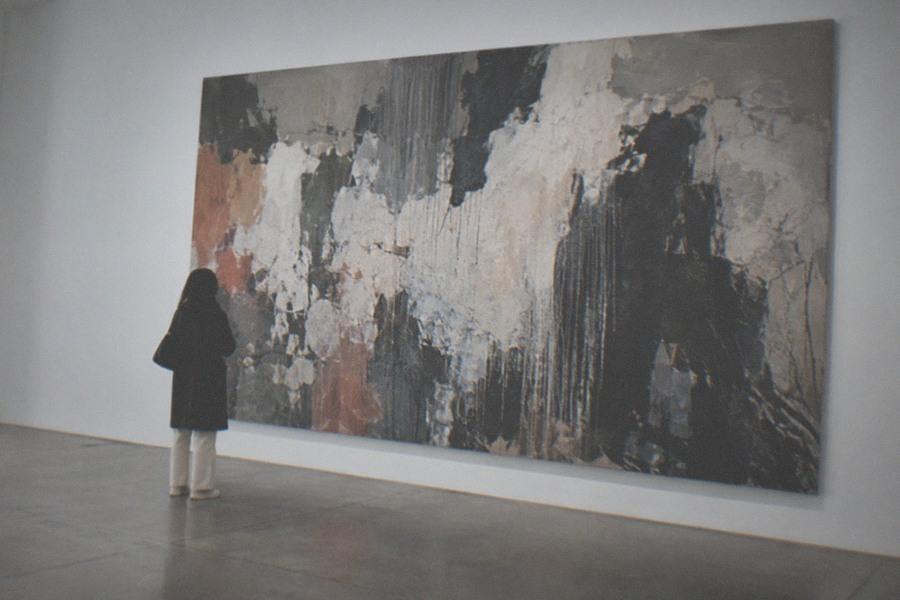
The 798 art district is a free-to-wander zone of converted mid-20th-century factory buildings in Chaoyang, Beijing, holding dozens of commercial galleries plus the UCCA Center for Contemporary Art. UCCA requires an advance reservation, its window is not published, and it commonly closes Mondays. Most of the district's street art and smaller galleries need no ticket at all.
798 Art District: What To See In Beijing's Factory Art Zone
Beijing's museum scene splits into two very different experiences: the ticketed imperial landmarks of the old city, and the gallery-lined lanes of the 798 art district, where a state electronics factory complex built in the mid-20th century has been recycled into one of Asia's best-known contemporary art zones. The contrast is the point. You can spend a morning inside a Qing dynasty incense hall and an afternoon in front of a video installation, and both halves belong to the same city.
This guide covers what the district actually is, how to plan a visit without falling into Beijing's reservation traps, what UCCA requires before you arrive, and how to pair 798 with the classic sights that most visitors come for. Along the way it flags the Monday closure problem, which catches out more art itineraries in this city than any other single planning error.
What Is The 798 Art District?
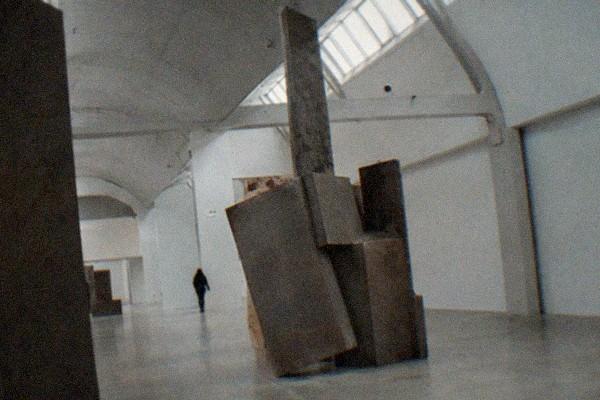
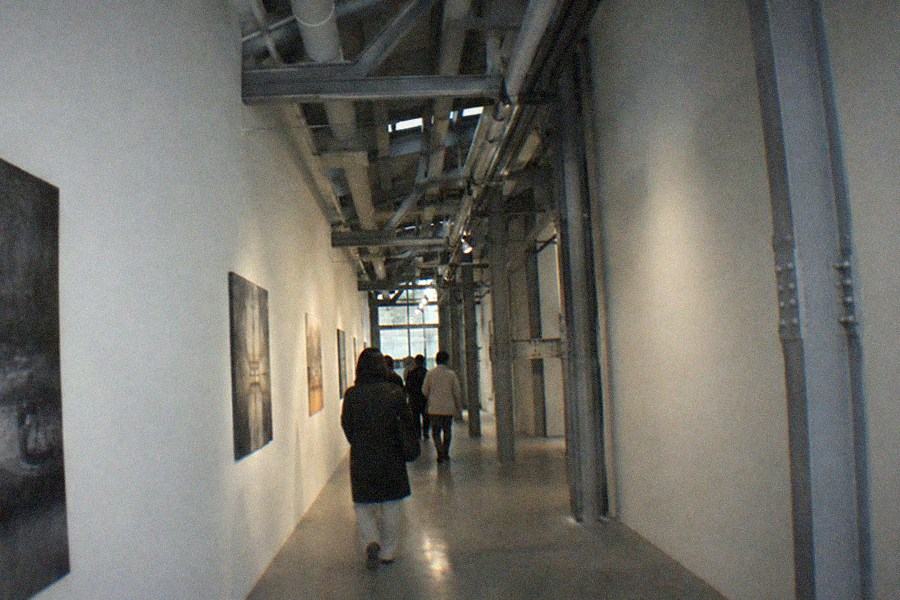
The 798 art district is a cluster of decommissioned military-electronics factory buildings in northeast Beijing, reused since the early part of this century as contemporary art galleries, design studios, cafes and bookshops. It sits in Chaoyang district, organized around wide lanes and the district's signature red brick walls, arched windows and exposed ductwork. It is not a single museum with one ticket, but a walkable zone of dozens of separate venues, most of them free to enter.
The factories were originally part of a joint project with East German engineers, which is why the architecture has that distinctively industrial look: sawtooth roofs, north-facing skylight windows, and cavernous halls built for precision electronics work. When the plants wound down, artists and galleries began leasing the spaces, and the zone grew organically rather than being planned from above. That history still shows. Galleries sit inside former assembly halls, and the district's most photographed walls are the factory's own.
What that means practically is that 798 rewards wandering more than any fixed route. A single afternoon can cover a handful of commercial galleries, an independent bookshop, a sculpture courtyard and a lot of outdoor street art between them. The zone's character shifts with the exhibition calendar, so two visits a few months apart can feel like different places. For a deeper look at the district's anchor institution, see the guide to UCCA and whether it is worth the ticket, which covers the center's exhibition history in detail.
One thing worth being blunt about: 798 is not one of the city's 31 reservation-system museums, and it is not covered by any of the free walking tours this site documents elsewhere. The zone's streets are public, the commercial galleries set their own rules, and the only venue inside it with a formal reservation policy is UCCA. That makes it one of the few art destinations in Beijing you can genuinely decide to visit the same morning.
Where Is 798 And How Do You Get There?
798 sits in northeast Beijing in Chaoyang district, roughly between the airport road corridor and the Fourth Ring Road, about half an hour by car from the city's imperial core around the Forbidden City. It is compact once you arrive: the gallery zone fits inside a rough rectangle of lanes that you can cross on foot in ten to fifteen minutes. Allow more time than the map suggests, because the interesting parts are the detours.
The distance matters for itinerary planning more than for transport. Dongcheng's museum cluster, the Lama Temple, the Forbidden City and the National Museum of China are all on the other side of town, so a day that tries to combine 798 with a morning inside the Palace Museum is a day with a lot of crossing. Most visitors do better giving 798 either a full afternoon or a whole unhurried day, and keeping the old-city landmarks on a separate day. The city's own tourism portal describes the district among its arts and shopping highlights, and the Beijing government's English-language museum pages cover the wider museum landscape the district sits alongside.
Taxis and ride-hailing work well here because the district's entrance points are road-facing and obvious, and drivers know the name. Public transport reaches the general area, but the last stretch is always on foot, so plan for a short walk from wherever you are dropped. In summer the lanes are shaded by the buildings themselves, which is a small mercy in a city where July afternoons are brutal; in winter the same brick halls make the district feel appropriately industrial. Either way, wear shoes you can walk in for a couple of hours, because the zone does not reward a rushed circuit.
Do You Need Tickets Or Reservations For 798?
You need no ticket to walk the 798 art district itself: its lanes and street art are open to anyone. The one venue inside the zone with a formal reservation policy is the UCCA Center for Contemporary Art, which requires an advance reservation through its own channel, and its booking window is not published. UCCA also closes on days that vary by exhibition, commonly Monday. No affiliate ticket product exists for UCCA anywhere.
That last point deserves emphasis, because Beijing is a city where "free" almost never means "walk in." Across the 31 venues this site documents, 22 require an advance real-name reservation and only 6 take genuine walk-ups. 798 inverts the pattern: the district is the walk-in, and the exceptions are inside it. UCCA has no affiliate product on any platform, so do not go looking for a third-party skip-the-line ticket, because there isn't one to find. Book through the center's own channel, and check its exhibition page for the closure days of the specific show you want.
The same logic applies to the commercial galleries. They open and close on their own schedules, they change exhibitions every few weeks, and none of them sells tickets through any booking platform. Your best tool is the district's own rhythm: weekends are busier, weekday afternoons are quieter, and gallery staff are generally happy to tell you what is worth seeing nearby. For the venues that do have published rules, this table collects the art-venue facts that matter for planning.
| Venue | Area | Entry | Reservation | Closed |
|---|---|---|---|---|
| 798 art district streets and galleries | Chaoyang | Wander freely | None for the district itself | Individual galleries set their own days |
| UCCA Center for Contemporary Art | Chaoyang, inside 798 | Reservation required | Window not published, book via the center's own channel | Varies by exhibition, commonly Monday |
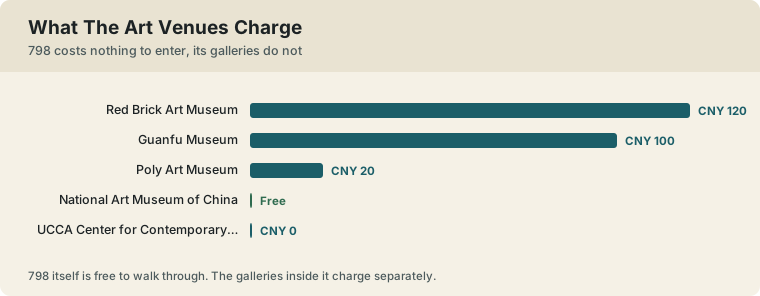
| Red Brick Art Museum | Chaoyang, outside 798 | CNY 120 at the door | Use the museum's own channel | Monday, except holidays |
| National Art Museum of China | Dongcheng | Free | Opens 7 days ahead at 16:00 | Monday, except statutory holidays |
| Capital Museum | Xicheng | Free | Walk-up entry, no reservation | Tuesday |
If your Beijing plans include the ticketed landmarks as well as the galleries, the reservation landscape gets stricter, not looser. The Palace Museum opens its booking window 7 days ahead at 20:00 Beijing time and sells no same-day tickets at all, a policy stated plainly on its official pages. The National Museum of China opens 7 days ahead at 17:00. These windows, not the door prices, are what actually gate a Beijing itinerary, and the site's guide to booking Beijing museum tickets walks through the whole system. For a 798-focused trip, the trio below covers the three most-bookable landmarks visitors usually pair with a gallery day.
What Are The Best Things To See In 798?
Plan around three layers: the outdoor street art and factory architecture, which cost nothing and need no planning; the commercial galleries, which rotate exhibitions every few weeks and are free to enter; and UCCA, the district's anchor institution, whose exhibitions are the most substantial shows in the zone and the only part needing a reservation. Give UCCA first priority if its current show interests you, then fill the rest of the day by wandering the lanes between the gallery buildings.
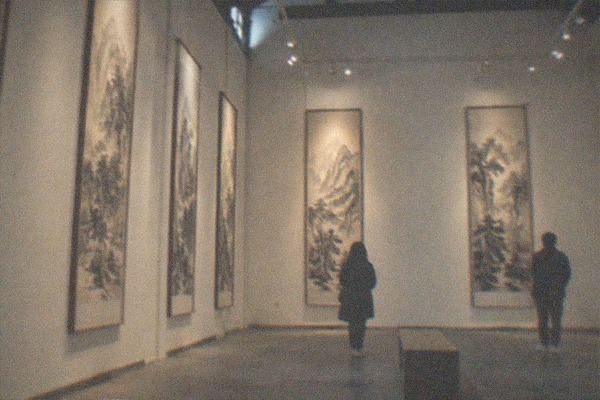
The outdoor layer is what most people photograph: murals and installations sit on the factory walls, and the buildings themselves, with their German-designed sawtooth roofs and propaganda-era slogans still visible on some facades, are exhibits in their own right. The gallery layer is where 798 earns its reputation, because the commercial spaces host a fast-moving program of Chinese and international contemporary work, and a random afternoon can turn up anything from ink painting to installation art. Walk a lane, see what is open, step inside. That is the whole method.
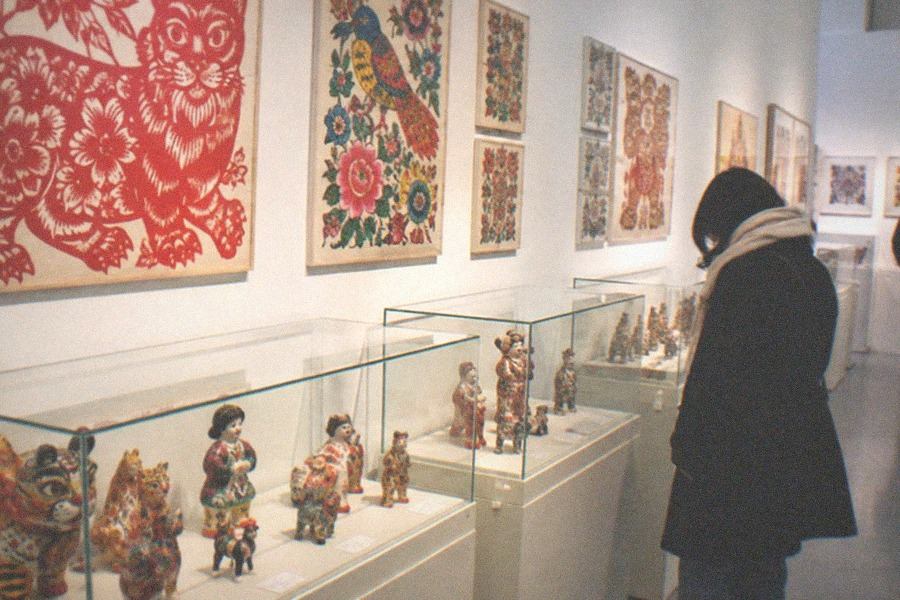
UCCA is the layer that rewards advance thought. Its exhibition calendar drives the district's peak moments, and because it is the one venue with a reservation requirement, a sold-out or closed day there can strand the centerpiece of your visit. Check the current show, book through the center's own channel, and treat the rest of the district as the flexible part of the day. If contemporary art is your main reason for coming to Beijing, the 798 and UCCA planning question is worth settling before you commit a full day.
The district also pairs naturally with the city's older religious architecture, in a way that surprises first-time visitors. The Lama Temple, a Tibetan Buddhist monastery in Dongcheng, is the most common complement to a 798 afternoon: it is an incense-heavy, working temple rather than a conventional museum, and the contrast between its prayer halls and the district's white-cube galleries is exactly the Beijing juxtaposition people remember. Entry is CNY 25 at the door, timed slots open 7 days ahead, and the reservation product available through this page books the official entry under your passport details, from $10. It rates 4.5 across 158 reviews.
How Much Time Do You Need In 798?
A focused visit takes half a day: two to three hours covers UCCA plus a handful of nearby galleries at a reasonable pace. A full day is the right budget if you want the district at its best, lingering in exhibitions, eating, and reaching the quieter lanes at the edges where the better bookshops and smaller spaces hide. Anything under two hours means you will see the famous walls and miss most of the art.
The district's size deceives people. The core is small enough to cross quickly, but the galleries are spread across dozens of buildings, openings change weekly, and the best spaces are rarely on the main drag. Visitors who budget a strict two hours tend to see the same photographs everyone takes and leave before finding anything unexpected. The full-day version, with a long lunch and no fixed route, is a different experience entirely, and it is the one regulars recommend. More of these guides are collected on Beijing Museums.
If you are splitting a day between 798 and a ticketed landmark, the timing question becomes a reservation question. The Summer Palace in Haidian, an imperial garden park rather than a museum in the strict sense, is the classic half-day pairing for visitors who want one gallery block and one landmark block in a single day. Its door price is CNY 30, the reservation product on this page starts from $14, and it rates 4.7 across 1,144 reviews, one of the strongest scores of any product this site carries. Its inner halls, such as the Tower of Buddhist Incense, close on Mondays except public holidays, so the garden itself is the reliable part.
A practical split that works: landmark in the morning when crowds and heat are lower, 798 from early afternoon, dinner in or near the district. Reverse it if your landmark requires a specific timed entry slot. Whichever direction you go, keep the two blocks on the same side of the city where you can, because Beijing's cross-town traffic can quietly eat an hour of gallery time.
What Else Is Worth Seeing Near 798 In Chaoyang?
Chaoyang district holds more than 798: the Red Brick Art Museum, a garden-and-gallery complex with a CNY 120 door price, is the district's other major art destination, and the China Railway Museum's Dongjiao Exhibition Hall and the Beijing Folklore Museum at Dongyue Temple sit in the same district. None of the three has an affiliate ticket product anywhere, so each is booked, or simply paid, through its own channel.
The Red Brick Art Museum is the one most often compared with 798, and the comparison is fair: it is purpose-built, calm, and architecturally striking in a way the scruffier factory zone is not. Its door price is CNY 120, it closes on Mondays except holidays, and there is no third-party ticket product for it, so the museum's own channel is the whole story. The Red Brick worth-it question digs into whether that door price earns its keep. For visitors who find 798 too crowded on a weekend, Red Brick is the usual fallback.
| Chaoyang venue | Theme | Door price | Booking route | Closed |
|---|---|---|---|---|
| Red Brick Art Museum | art | CNY 120 | Museum's own channel, no affiliate product | Monday, except holidays |
| China Railway Museum, Dongjiao Exhibition Hall | specialist | CNY 20 | Museum's own channel, no affiliate product | Monday, except statutory holidays |
| Beijing Folklore Museum at Dongyue Temple | history-culture | CNY 10 | Museum's own channel, no affiliate product | Monday, except holidays |
| UCCA Center for Contemporary Art | art | Reservation required | Center's own channel, no affiliate product | Varies by exhibition, commonly Monday |
| China Science and Technology Museum | science-nature | CNY 30 | Reservation opens 7 days ahead at 18:00 | Monday, except statutory holidays |
Notice the pattern in that table: everything in Chaoyang's art and specialist cluster closes on Monday. That is not a coincidence but the near-universal Chinese museum closure day, and it is the single most expensive planning mistake a Beijing visitor can make. The guide to Beijing museums open on Monday exists precisely for the traveler whose only free day is a Monday.
When Is The Best Time To Visit 798?
Weekday afternoons are the best time to visit 798: the lanes are walkable, the galleries are quiet, and you can see UCCA without weekend queues. Avoid Monday if your day depends on UCCA or on any other museum in the plan, because most of Beijing's art institutions close then. Spring and autumn give the district its best weather; summer afternoons are hot but the brick halls stay cool, and winter weekdays are the quietest of all.
The seasonal logic is straightforward. The district is mostly outdoors, so the months when Beijing is pleasant are the months when 798 is at its best, and the shoulder seasons give you the light that makes the factory architecture photograph well. Weekends bring the crowds, both tourist and local, and the lanes around the most photographed walls back up badly. A weekday morning is the district at its emptiest, though some smaller galleries open later in the day, which is why the afternoon is the sweet spot.
The closure logic matters more than the season. If 798 is one day inside a longer Beijing itinerary, put it on whatever day the rest of your plan goes quiet, because the district itself never closes as a zone. What closes is the institutional layer around it: UCCA commonly on Mondays, the National Art Museum on Mondays except statutory holidays, the Capital Museum on Tuesdays, a closure pattern its official visit page documents for the current season. Building your week around these days, rather than discovering them on arrival, is the difference between a plan and a wish.
One dated example of how fluid these calendars are: the Capital Museum moved its weekly closure from Monday to Tuesday for the period from 18 May to 18 October 2026, with holiday exceptions. The free museums guide tracks these shifts for the venues that cost nothing, and the museum pass page explains how the 2026 Beijing Museum Pass, launched 11 November and covering roughly 140 venues at CNY 120 for two people across the year, interacts with the paid venues listed above.
Planning Your Visit: A Quick Reference
Take one fixed point and keep the rest flexible: book UCCA through its own channel first, choose a non-Monday day, and let the lanes fill the rest. If a ticketed landmark shares the day, reserve it in its own booking window before you leave home, because the Palace Museum's window opens 7 days ahead at 20:00 and the Lama Temple's opens 7 days ahead as well. Everything inside 798 itself can be decided on the day.
The chart below condenses the planning decisions into one view: what needs booking, what is free, and what closes when. It is the whole article in a glance for anyone building a Beijing week around the district.
For travelers who want the full picture rather than the art picture, the 3-day Beijing museum itinerary shows how a gallery afternoon slots into a week that also covers the imperial core, and the Beijing museums map puts the distances in perspective. Both are worth a look before you lock your days, because the single biggest determinant of a good Beijing museum week is not which venues you choose but which order and which days you give them.
The table below pulls the three landmark pairings most often combined with a 798 day into one comparison, so the reservation arithmetic is visible at a glance. Door prices are what you pay at the venue in CNY; the product prices are what the third-party reservation listings charge in USD, and the two are different transactions that should never be mixed.
| Landmark pairing | Door price | Product from | Booking window | Closed |
|---|---|---|---|---|
| Lama Temple (Yonghegong) | CNY 25 | $10 | Opens 7 days ahead | Not published |
| Summer Palace | CNY 30 | $14 | Required, window not published | Inner halls close Monday, except public holidays |
| The Palace Museum (Forbidden City) | CNY 60 | $7 | Opens 7 days ahead at 20:00 | Monday, except statutory holidays |
If the landmark half of your plan includes the Forbidden City, one fact belongs next to any ticket product: the Palace Museum states on its official site that it has not authorized any third-party institutions or individuals to act as ticket agents, and it sells no same-day tickets at all. The reservation products linked on this site book the official ticket under your passport details, refundable if the official quota sells out first, and both facts belong together. The Palace Museum's own official site carries the museum's current ticketing notices. Its door price is CNY 60, the reservation product starts from $7, and it rates 4.5 across 655 reviews. The Beijing government's English pages are the source for the museum pass details above.
Whichever landmark you choose, the same rule of thumb holds: lock the reservation first, then build the gallery hours around it. The Lama Temple is the most forgiving pairing because its door price is the lowest of the three and its Dongcheng location keeps your day on one side of the city, while the Forbidden City demands the most planning because its window opens at a fixed evening hour and popular dates sell out. The Summer Palace sits between the two, trading a longer trip to Haidian for the strongest review score of the trio.
Common Questions About The 798 Art District
Is the 798 art district free?
The district itself costs nothing to walk: the lanes, street art and factory architecture are open to all, and most commercial galleries inside are free to enter. The exception is UCCA, which requires an advance reservation through its own channel, with no published booking window and no affiliate ticket product anywhere.
Do you need to book 798 in advance?
Only for UCCA. The rest of the district, including the street-level galleries, works on a walk-in basis with no reservation system. If your day also includes a ticketed landmark like the Forbidden City or the Lama Temple, that part does need an advance booking, with windows opening 7 days ahead.
Is 798 open on Monday?
The district's streets and many commercial galleries operate on Monday, but UCCA commonly closes that day, with closures varying by exhibition. Most of Beijing's museums close on Monday too, so a Monday visit to 798 means seeing the zone without its anchor institution and without much of the rest of the city's museum scene.
How much time should you spend in 798?
Half a day is the realistic minimum, with two to three hours enough for UCCA plus several nearby galleries. A full day is better if you want the quieter lanes, the bookshops and a long lunch, because the district rewards wandering far more than it rewards a fixed route.
Can you combine 798 with the Forbidden City in one day?
You can, but it is a cross-town day. Most visitors do better giving the imperial core one morning and 798 a separate afternoon, or pairing 798 with the Lama Temple, which is closer to the old city and easier to reserve. If you do combine them, remember the Forbidden City's booking window opens 7 days ahead at 20:00 Beijing time and there are no same-day tickets.
What is the best museum near 798?
UCCA is the district's anchor and the most substantial art venue in the zone. Outside 798 but in the same district, the Red Brick Art Museum charges CNY 120 at the door and closes on Mondays except holidays, and the China Railway Museum's Dongjiao Exhibition Hall charges CNY 20. None of these has a third-party ticket product, so each runs through its own channel.