Beijing In Winter: Indoor Museums For Freezing And Rainy Days
Beijing winters are dry, windy and often below freezing, and the summer brings its share of downpours. Both are good reasons to be inside a museum, and this city has some of the best in the world to hide in.

Short answer
The best indoor options are the China Science and Technology Museum (CNY 30 at the door, reserve 7 days ahead at 18:00), the Beijing Planetarium (closed Tuesday) and the free National Museum of China, which needs a reservation 7 days ahead at 17:00. Most museums close Monday, so plan around it.
Indoor Beijing: Where To Go When It Is Freezing Or Pouring
A Beijing winter day can start at minus ten and end with a wind that strips the heat out of any coat. A summer afternoon can do the opposite and dump an hour of rain on your planned walk along the Central Axis. Either way, the city has an answer that most visitors underuse: some of the largest, warmest and best-curated museum interiors in the world, most of them a short subway ride from anywhere central. The catch is that nearly all of them run on advance real-name reservations, so the difference between a comfortable indoor day and a wasted one is usually decided a week before you arrive.
That reservation habit is the single most useful thing to understand before a cold-weather trip. 22 of the 31 major museums and heritage venues in this city require a booked slot in advance, and only 6 take genuine walk-ups. The booking window, not the temperature, is the real constraint on your plans, and this guide works through it venue by venue.
Why Winter Is Actually Museum Season In Beijing
Beijing's peak tourist months are crowded and hot, while the cold months empty the queues and leave the indoor halls almost to themselves, provided you have a reservation. The city's museums are heated, enormous and mostly modern in their facilities, and a day that would be miserable outdoors becomes genuinely pleasant inside. The trade-off is shorter daylight and the Monday closure rule, which removes more options than any blizzard ever will.
The logic is simple. Summer in Beijing means heat, haze and tour groups in the imperial sites, and everyone competes for the same shaded halls. From late November through February the courtyards empty out, and the museums, which stay warm regardless, suddenly feel spacious. A visitor who books well can see the National Museum of China's galleries at a walking pace that would be impossible in July.
Winter also changes what a museum is for. In good weather the Forbidden City is an outdoor experience with buildings to circle and gates to pass through. On a bitter day the appeal shifts to places built to be experienced from the inside: the four connected exhibition halls of the science museum, the domed theatres of the planetarium, the underground galleries of the Ming tombs. Rainy summer days work the same way, and the planning is identical, so everything in this guide applies to a washed-out June afternoon as much as a frozen January one.
The one thing winter does not change is the closed-day pattern. Almost every national and municipal museum in Beijing closes on Monday, with a couple of Tuesday exceptions, and statutory holidays shift the pattern again. Before you build any cold-day plan, read the closed days carefully, and pair it with the dedicated guide to Beijing museums open on Monday if your trip lands awkwardly.
The Best Indoor Museums For A Freezing Day
The strongest cold-day picks are the China Science and Technology Museum at CNY 30 at the door, the Beijing Planetarium in Xicheng, and the National Museum of China, which is free but requires a timed reservation opening 7 days ahead at 17:00. Each is almost entirely indoors, each is reachable by subway, and together they cover science, astronomy and history for any weather.
Choosing between them is mostly about who is travelling. Families with children gravitate to the science museum, whose Children's Science Paradise runs separate morning and afternoon sessions that suit a split cold day. Astronomy fans and anyone with teenagers tend to the planetarium, where the show tickets are the main event and the exhibition halls are the warm-up. History-focused travellers go to the National Museum on Tiananmen Square, which is free, vast and heated, and which can absorb an entire afternoon on its own.
The table below compares the headline indoor options on the facts that matter for planning: what entry costs at the door, when the booking window opens, and which day the venue is dark.
| Venue | Door price | Reservation window | Closed day | Best for |
|---|---|---|---|---|
| China Science and Technology Museum | CNY 30 | 7 days ahead at 18:00 | Monday (except statutory holidays) | Families, hands-on science |
| Beijing Planetarium | Ticketed shows, separate sessions | 5 days ahead | Tuesday (except holidays) | Astronomy, domed shows |
| National Museum of China | Free | 7 days ahead at 17:00 | Monday (except statutory holidays) | Chinese history at scale |
| Capital Museum | Free | Walk-up entry | Tuesday | Beijing's own story |
| National Natural History Museum | Free | 3 days ahead at 11:00 | Monday (except statutory holidays) | Dinosaurs and fossils |
| Poly Art Museum | CNY 20 | 1 day ahead | Sunday and statutory holidays | Ancient bronzes, small and warm |
Two of these deserve a booking the moment your dates are fixed. The science museum releases slots 7 days ahead at 18:00 Beijing time, and the National Museum releases its free slots 7 days ahead at 17:00. Popular winter weekends see both go quickly, and there is no same-day fallback at either. The Capital Museum is the relaxed option: it is free, takes walk-ups with valid ID, and closes Tuesday rather than Monday, which makes it the perfect Monday substitute when the rest of the city's museums go dark.
For travellers with children, the cold-day question has a longer answer, and the Beijing museums with kids guide breaks down the child-friendly sessions, stroller access and which cafes are inside the buildings rather than across a frozen plaza.
Science And Astronomy Under One Warm Roof
The China Science and Technology Museum in Chaoyang is the city's most reliable bad-weather venue: four themed halls across four floors, a separate Children's Science Paradise for ages 3 to 8, and special-format theatres, all ticketed by session. Entry is CNY 30 at the door, reservations open 7 days ahead at 18:00, and the museum closes Monday except on statutory holidays.
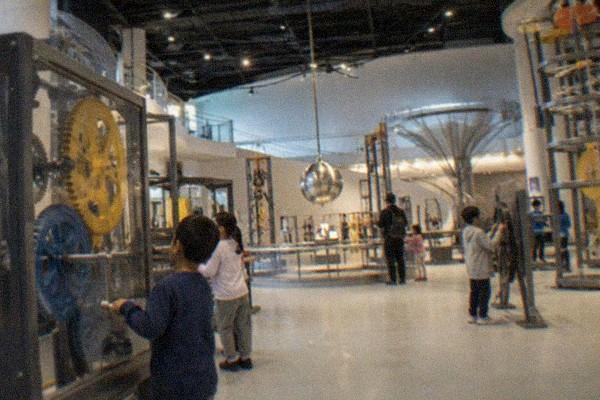
The museum's own visit guidance describes the main hall as four floors with four themed exhibition areas, and notes that the Children's Science Paradise runs a morning session and an afternoon session that must be ticketed separately. That session structure matters on a cold day: the morning session ends early enough that a family can do the science museum before lunch and a second indoor venue after, without ever standing outside for long. The dome theatre, giant screen, 4D and motion theatres are all priced and ticketed separately by session, so a full day here can be built entirely from indoor components. The official site at cstm.org.cn carries the current session times.
The museum's reservation service is the practical route for foreign visitors who cannot work the WeChat mini-program ecosystem comfortably. It books the official ticket under the passport details you provide, and if the official quota sells out before the booking lands, the order is cancelled and refunded. The door price of CNY 30 and the service's from price of $21 are different transactions and should not be compared as though they were the same thing: one is what the museum charges, the other is what the booking service charges for securing it. The product carries a 4.1 rating across 10 reviews.
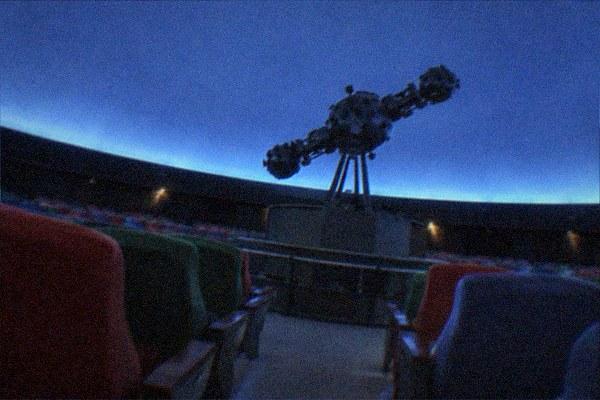
A few subway stops west, in Xicheng, the Beijing Planetarium is the other big indoor science venue, and it works differently. The exhibition halls are the supporting act; the domed and spherical theatres are the reason to come, and each show is a separate ticketed session. Reservations open 5 days ahead, and the planetarium closes on Tuesday rather than Monday, which makes it the natural Tuesday companion to a Monday science-museum plan, or vice versa. On a genuinely bitter day, back-to-back shows are one of the few Beijing activities where you can spend four hours without once needing a coat.
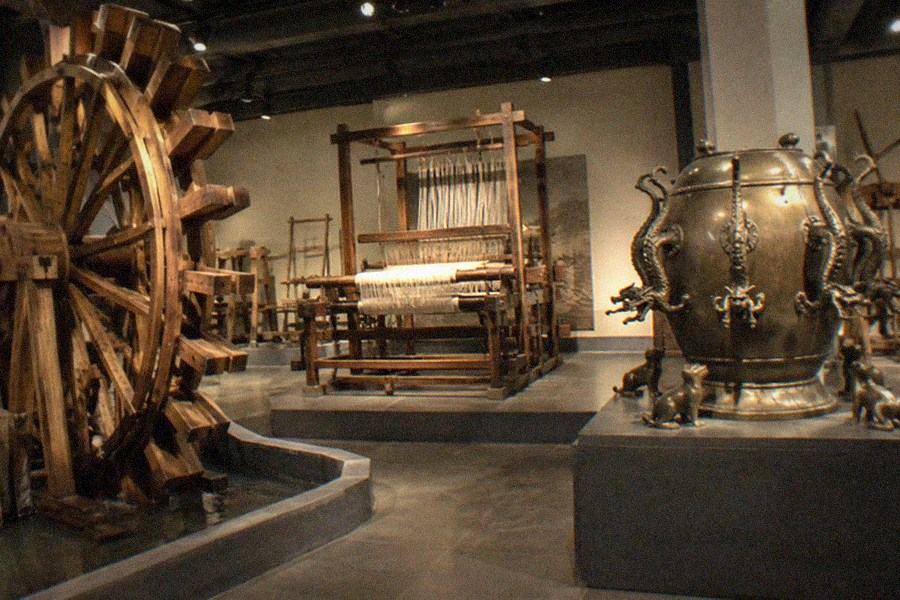
The two venues pair neatly into a single cold-day plan, but they do need to be booked on different evenings. The science museum's slots appear at 18:00 seven days out, the planetarium's five days out, so a traveller aiming at both in one week is watching two separate release clocks. Book whichever date is the worse forecast first, and let the clearer day go to the venue with the outdoor walk between the subway and the door.
One honest note for anyone hoping to walk off the cold around the science museum itself: none of the verified English pay-what-you-want walking tours covers the Olympic Park area where it sits, so do not plan a walking tour as part of this visit. The closest cold-day walk option is the street food walking tour on GuruWalk, which meets at National Art Museum station and spends most of its two and a half hours inside a vegetable market, a coffee shop and the city's first Daoxiangcun store, with a guide named Wolfie. It is a different district entirely, but it pairs well as an evening activity after a museum afternoon, and the Beijing hub on GuruWalk lists the other seven verified English walks if the weather clears. The walks are pay-what-you-want: you book a free slot and tip the guide at the end.
Free Museums That Keep You Warm Without A Ticket
The Capital Museum, the National Art Museum of China, the National Natural History Museum and the China National Film Museum are all free, and all but the Capital Museum still require an advance real-name reservation. Free in Beijing almost never means walk in: the booking window, not the price, is the barrier, and each venue releases its slots on its own schedule.
This is the point where most English guides fail visitors. They list the free museums and stop, as though free were the whole fact. In Beijing the free venues are precisely the ones with the tightest reservation systems, because there is no price mechanism to ration the demand. The National Natural History Museum opens bookings just 3 days ahead at 11:00, one of the shortest windows in the city, and its dinosaur galleries make it the most requested rainy-day venue for families in the capital. The National Art Museum opens 7 days ahead at 16:00. The film museum requires a reservation through its WeChat channel, with the release window not published in English. More of these guides are collected on Beijing Museums.
The Capital Museum is the exception that proves the rule. It is free, it takes walk-up entry with valid ID, and it closes on Tuesday, having shifted its closed day in its current schedule. On a cold Monday, when nearly every other museum in this guide is dark, the Capital Museum is one of the very few doors still open, and its permanent Beijing history galleries are among the best in the city for understanding what you are looking at everywhere else. The full free museums in Beijing guide covers the complete list, including the walk-up venues and the reservation-only ones.
| Free museum | Reservation | Window opens | Closed day |
|---|---|---|---|
| National Museum of China | Required | 7 days ahead at 17:00 | Monday (except statutory holidays) |
| Capital Museum | Not required, walk-up with ID | n/a | Tuesday |
| National Art Museum of China | Required | 7 days ahead at 16:00 | Monday (except statutory holidays) |
| National Natural History Museum | Required | 3 days ahead at 11:00 | Monday (except statutory holidays) |
| China National Film Museum | Required | Window not published | Monday (except holidays) |
| Beijing Grand Canal Museum | Not required, walk-up | n/a | Monday (except national holidays) |
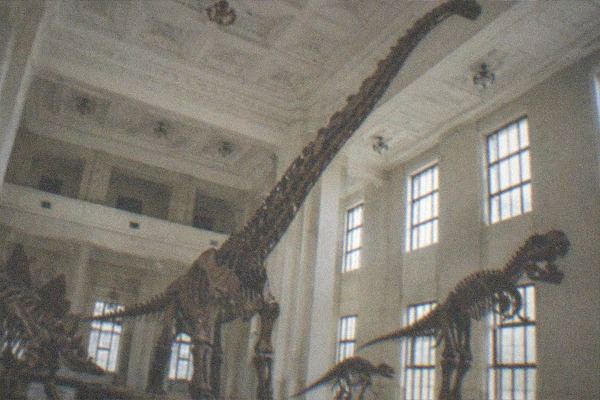
A passport works for real-name registration at the venues where the research confirmed it, including the National Museum and the art museum. Where confirmation was not available, say nothing rather than guessing, and check the venue's own channel before assuming the foreigner route is the same as the local one. The practical pattern for a cold week is to treat the free museums as your flexible filler: book the paid headline venues first, then fill gaps with whichever free museums still have slots when you get around to them.
Day Trips That Work In Bad Weather: Zhoukoudian And Beyond
The Zhoukoudian Peking Man Site Museum in Fangshan is the best bad-weather day trip among the ticketed venues: the museum building itself is a large, modern, fully indoor hall of paleoanthropology, at CNY 30 at the door, with reservations opening 7 days ahead at 17:00. It closes Monday except on national holidays, and it sits well outside central Beijing, so it needs most of a day.
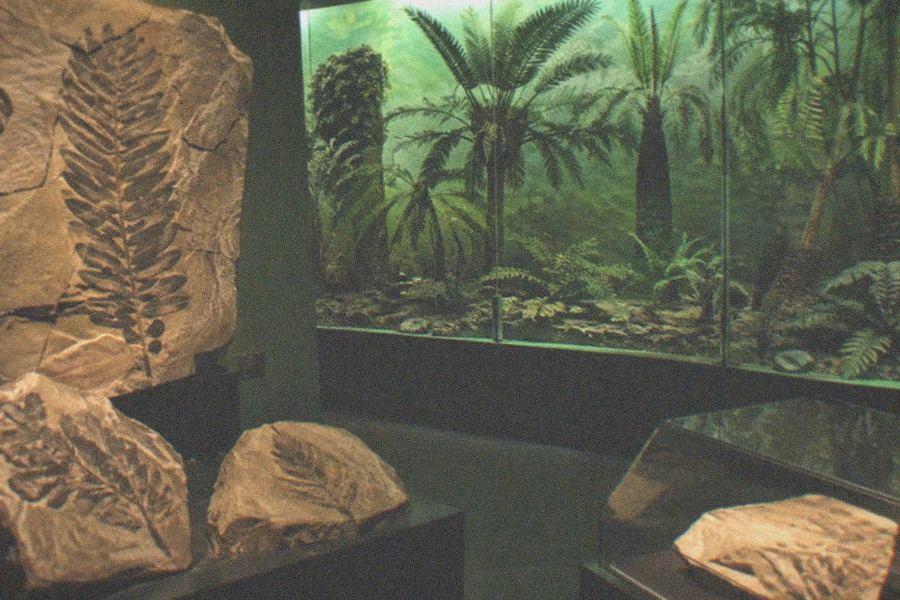
Zhoukoudian is where the Peking Man fossils were found, a UNESCO World Heritage site in the hills southwest of the city, and the museum building presents the excavations, the fossil casts and the story of the discoveries in a single heated hall. The reservation service for it opens 7 days ahead at 17:00, and the official site at zkd.cn carries the visit details. Because it is a genuine day trip, the weather calculus is different: you commit a morning and an afternoon to it, so it suits a trip day that is forecast to be rained out entirely rather than a day with a clear cold morning you would rather spend walking the imperial sites.
The other day-trip venues split differently on weather. The Ming tombs at Changping include the Dingling underground palace, which is by definition indoors, but the walk between the Spirit Way and the tomb entrances is open air, so a freezing wind changes the experience more than rain does. The Old Summer Palace is mostly parkland and ruins, and on a wet day it loses most of its appeal. The full breakdown, including travel times and which sites justify the journey, is in the Beijing day trip museums guide.
The honest summary for cold-weather day trips is that only Zhoukoudian is primarily an indoor experience. Book it for your worst forecast day, keep the imperial parks for the clear ones, and treat the museum-building-heavy venues in the centre as your default for everything in between.
Planning Around Monday Closures And Reservation Windows
Almost every major Beijing museum closes on Monday, with the Beijing Planetarium and the Capital Museum closing on Tuesday instead, and each venue's booking window opens on its own schedule, from 1 day ahead at the Confucius Temple to 10 days ahead at Prince Gong's Mansion. A cold-weather trip lives or dies on getting these two facts right before arrival.
The Monday rule deserves its own paragraph because it is the most expensive planning mistake in this city. A visitor who arrives on a Sunday evening and spends Monday trying the Forbidden City, the National Museum and the science museum will find every door shut, and a frozen Monday spent shuttling between closed entrances is a genuinely miserable Beijing memory. The exceptions are real but narrow: statutory holidays override the Monday closure at most venues, and the Capital Museum's Tuesday closure makes it the Monday lifeline.
The reservation windows are the second half of the system, and they are scattered enough that a table is the only sane way to hold them. Note that the Palace Museum, the National Museum and the science museum all release on different hours of the evening, so a traveller booking all three for the same week is watching three different clocks.
| Venue | Window opens | Release time | Closed |
|---|---|---|---|
| The Palace Museum (Forbidden City) | 7 days ahead | 20:00 | Monday (except statutory holidays) |
| National Museum of China | 7 days ahead | 17:00 | Monday (except statutory holidays) |
| China Science and Technology Museum | 7 days ahead | 18:00 | Monday (except statutory holidays) |
| Prince Gong's Mansion | 10 days ahead | 20:00 | Monday (except public holidays) |
| Beijing Planetarium | 5 days ahead | not published in English | Tuesday (except holidays) |
| National Natural History Museum | 3 days ahead | 11:00 | Monday (except statutory holidays) |
| Confucius Temple and Imperial College | 1 day ahead | not published in English | Monday (except public holidays) |
The Palace Museum deserves one specific warning here, because it is the venue most likely to be booked for a cold clear day. It states in writing on its official site that it has authorized no third-party institutions or individuals to act as ticket agents, and that it sells no same-day tickets at all. The reservation services this site links book the official ticket under your passport details, and refund if the official quota sells out first. Both facts belong together: the museum's warning is real, and so is the service. The daily visitor cap is capped but not published, and popular winter dates sell out regardless of the weather being terrible outdoors.
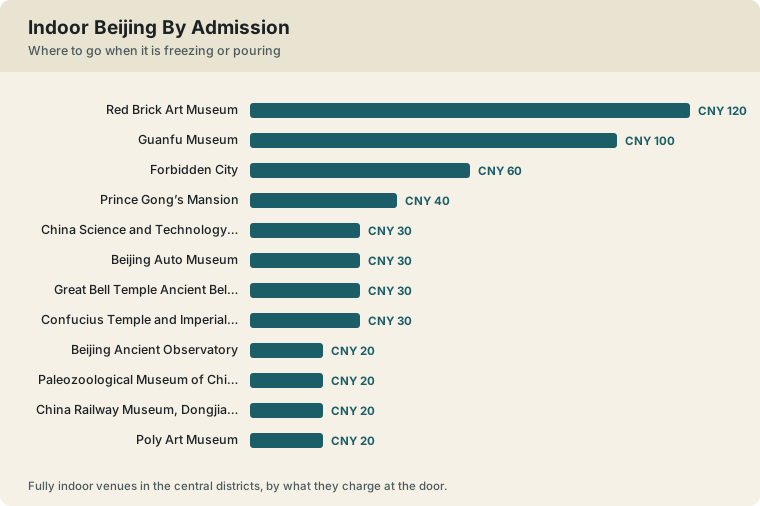
For anyone weighing the museum pass against individual tickets, the Beijing Museum Pass guide works through which of the 140-odd covered venues a short winter trip can realistically use, and when the CNY 120 pass pays for itself. There is no Beijing CityPASS, and any site selling one should be treated with suspicion.
What A Cold-Day Itinerary Actually Looks Like
A workable freezing-day plan pairs one headline morning venue with one free afternoon museum, keeps every transfer underground on the subway, and leaves the imperial parks for the one clear day in the forecast. Book the paid venues first, fill in the free ones, and let the Monday and Tuesday closures dictate the sequence rather than fighting them.
Here is a concrete example for a four-day winter trip. Day one, a clear cold day, goes to the Forbidden City and Jingshan Park behind it, booked at 20:00 seven days out. Day two, the wet one, goes to the science museum for the morning session and the Capital Museum in the afternoon, with lunch in between somewhere heated near the subway line that connects them. Day three, a Monday, is the awkward one: the National Art Museum opens on Monday only if it is a statutory holiday, so the honest Monday plan is the Capital Museum, the Lama Temple if its schedule allows, or the 798 art zone's indoor galleries, covered in the 798 Art District guide. Day four, if the forecast is truly dire, is the Zhoukoudian day trip, booked at 17:00 seven days ahead.
| Forecast | Best indoor plan | Book how far ahead |
|---|---|---|
| Clear and cold | Forbidden City plus a museum afternoon | 7 days, at 20:00 |
| Light snow | Science museum, then Capital Museum walk-up | 7 days, at 18:00 |
| Heavy rain | Planetarium shows back to back | 5 days |
| Freezing wind | National Museum galleries, long lunch, art museum | 7 days, at 17:00 and 16:00 |
| Whole day lost | Zhoukoudian day trip | 7 days, at 17:00 |
Two habits make any version of this work. First, book every fixed-date venue the evening its window opens rather than a day later; the release times are exact and the popular slots go within hours. Second, keep one flexible free museum unbooked each day as a fallback, because a forecast in Beijing changes fast, and a walk-up venue like the Capital Museum absorbs a sudden plan change better than anything else in the city.
Common Questions About Indoor Beijing On Bad-Weather Days
Are Beijing museums open in winter?
Yes. The major museums run year-round and are heated throughout. The constraint is not the season but the weekly closure pattern: most close on Monday, the Beijing Planetarium and the Capital Museum close on Tuesday, and statutory holidays shift the pattern. Reservations are required at most venues regardless of temperature.
Which Beijing museums are best on a rainy day?
The China Science and Technology Museum, the Beijing Planetarium and the National Museum of China are the strongest fully indoor options. The science museum charges CNY 30 at the door with slots released 7 days ahead at 18:00, the planetarium's shows are ticketed by session with a 5-day window, and the National Museum is free with reservations opening 7 days ahead at 17:00.
Do free Beijing museums still need a reservation?
Usually yes. The National Museum of China, the National Art Museum of China, the National Natural History Museum and the China National Film Museum are all free and all require an advance real-name reservation. Only a handful, including the Capital Museum and the Beijing Grand Canal Museum, take genuine walk-up entry with valid ID.
What can I do in Beijing on a Monday when museums are closed?
The Capital Museum is the main option: it is free, takes walk-ups, and closes on Tuesday instead of Monday. The Lama Temple, the 798 Art Zone's indoor galleries and the city's parks all run on Monday, though the parks are a poor choice in freezing weather. Statutory holidays override most Monday closures.
Is the Forbidden City worth visiting in winter?
Yes, if the day is clear. Winter crowds are thinner and the snow-dusted rooftops are among the most photographed sights in the city, but the visit is largely outdoors. On a wet or bitterly cold day the indoor-heavy museums are the better use of time, and the Forbidden City can be saved for the next clear morning, booked from 20:00 seven days ahead.
Can a foreign visitor book Beijing museum tickets online?
At many venues, yes, using a passport for the real-name registration, though some official channels are easier to use with a Chinese mobile setup. Reservation services offer an alternative: they book the official ticket under your passport details and refund if the official quota sells out. The Palace Museum sells no same-day tickets at all, so everything must be booked ahead.