History Museums In Beijing: From Peking Man To The Last Emperor
Beijing's history museums trace a continuous arc from ancient Peking Man fossils to the last imperial dynasty, but the real challenge is not choosing what to see: it is managing a reservation system where free entry rarely means walk-in.
Short answer
Beijing's essential history museums include the National Museum of China (free, reservation required 7 days ahead), the Military Museum (free, 8 days ahead), and the Confucius Temple and Imperial College (CNY 30, 1 day ahead). Most close on Monday, and foreign visitors can book with a passport on official WeChat channels. The Beijing Museum Pass covers 140 venues for CNY 120.
Beijing’s history museums are not a single building but a constellation spread across the city, each holding a different chapter of a narrative that starts with early hominins and ends with the fall of the Qing. The National Museum of China alone draws more visitors than the Louvre, yet its free tickets are among the hardest to secure. The Military Museum displays the very aircraft that flew over Tiananmen Square in the founding ceremony, while a quiet courtyard in Dongcheng holds the stelae where generations of scholars sat the imperial civil service exam. Beijing Museums tracks the reservation windows, closed days, and passport policies for all of them, because in this city, knowing when a slot opens is as important as knowing what is inside.
What Counts As A History Museum In Beijing?
Beijing’s history museums range from vast state institutions covering the entire sweep of Chinese civilisation to small specialist collections focused on a single dynasty or trade. The city’s official classification groups them as history-culture or imperial, but many open-air imperial sites like the Temple of Heaven function as history exhibitions and follow the same real-name reservation and Monday closure rules.
The largest cluster sits along the central axis: the National Museum of China on Tiananmen Square, the Palace Museum (Forbidden City) immediately to its north, and the National Art Museum of China a short walk away. Further out, the Capital Museum in Xicheng covers Beijing’s own urban history, while the Military Museum in Haidian tells the story of the People’s Liberation Army through hardware and documents. Several of these venues are free but still demand a timed reservation made days in advance, and a foreign passport works for the real-name registration at all the major ones. For the full mechanics of securing a slot, see this guide to how to book Beijing museum tickets. The Beijing Museum Pass, a 2026 pocket book covering about 140 venues for CNY 120, admits two people for a full year and is sold at Xinhua Bookstores and through the official WeChat account.
National Museum Of China: The Essential Starting Point
The National Museum of China is the largest museum in the world by floor area and the most visited, with a permanent collection from early hominins to the founding of the People’s Republic. Entry is free, but every visitor must hold a timed reservation made through the official WeChat mini-program, released seven days ahead at 17:00 Beijing time. Foreign passports work for real-name booking; there is no walk-up fallback.
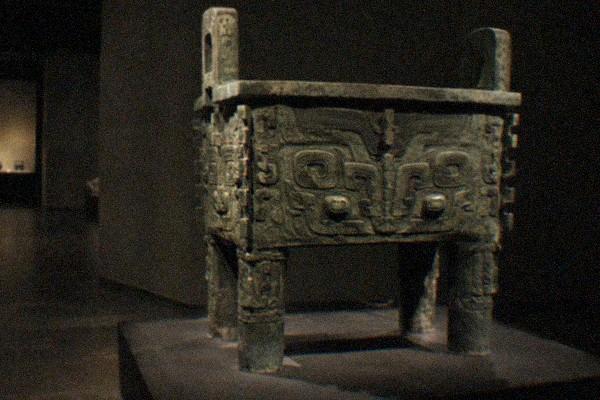
The museum’s “Ancient China” exhibition alone fills an entire floor and is the best single overview of Chinese material history in existence. The jade burial suit of Prince Liu Sheng, the bronze square ding of Simu Wu, and the painted pottery of the Yangshao culture are all here. Because the museum is free and the daily quota is tight, weekend and holiday slots disappear within minutes of the release. A official National Museum reservation page confirms the 7-day-ahead, 17:00 release. Several third-party booking services offer to secure a reservation on your behalf for a small fee, usually from $4.58, by entering your passport details into the official system at the moment the window opens. They do not hold independent inventory, and the Palace Museum’s own official site states plainly that it “has not authorized any third-party institutions or individuals to act as ticket agents.” The National Museum has not published an equivalent warning, but the same real-name principle applies: the reservation is made under your passport, and if the official quota sells out, the order is cancelled and refunded.
Military Museum Of The Chinese People’s Revolution
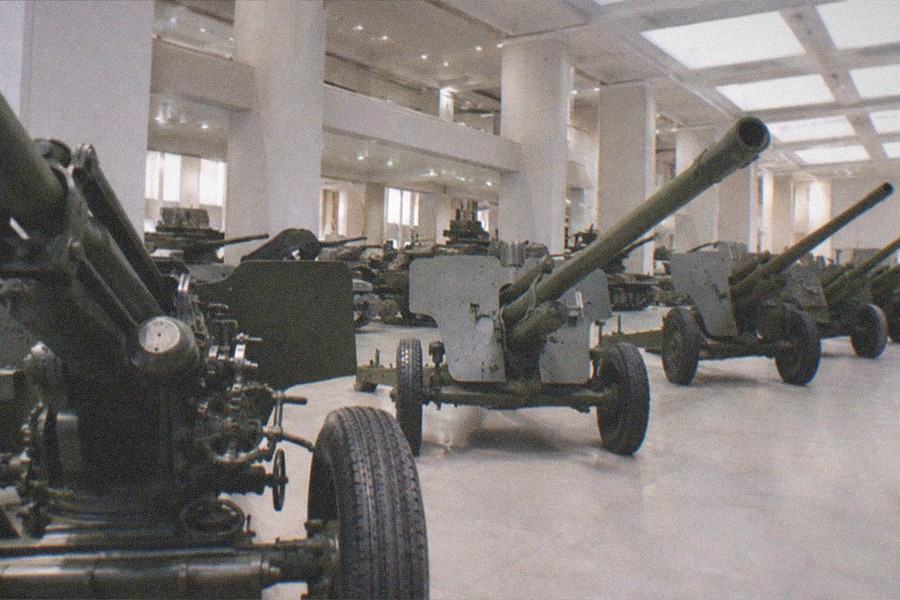
The Military Museum in Haidian is free and houses one of the world’s largest collections of military hardware, from Ming dynasty cannons to MiG fighters. It requires a real-name reservation made up to eight days ahead through its WeChat account, with slots released at 08:00, 17:00, and 20:00 Beijing time. Foreign passports work for booking; the museum closes Monday except statutory holidays.
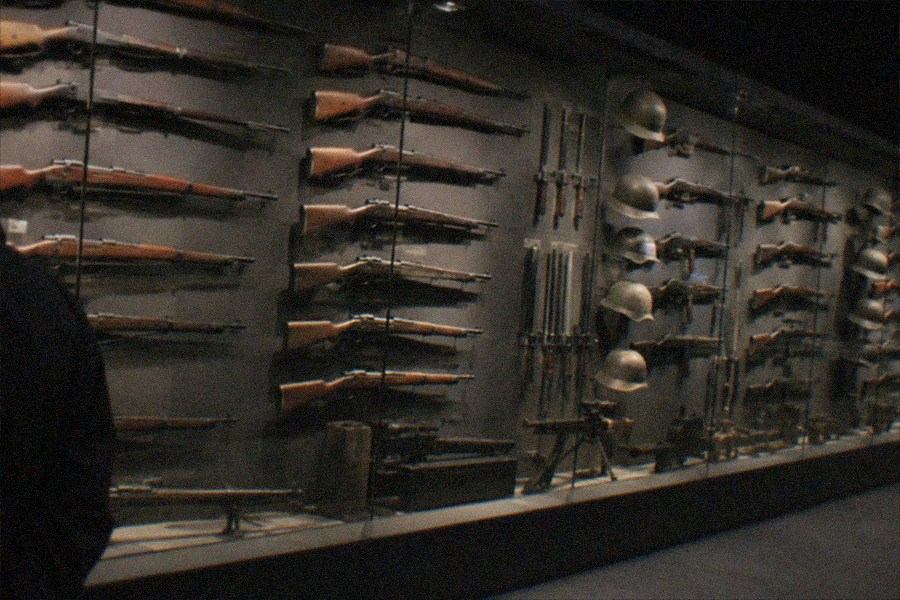
The central hall is dominated by full-size aircraft suspended from the ceiling, including a replica of the Shenyang J-5 and the actual IL-2 that participated in the founding ceremony flypast. The ground-floor galleries trace the evolution of the People’s Liberation Army from the Nanchang Uprising through the Anti-Japanese War and the Civil War, with maps, uniforms, and personal weapons. The upper floors cover modern naval and nuclear developments. While the museum is free, the reservation system is strict, and the multiple release times mean a visitor who misses the 08:00 drop can try again later the same day. A paid booking service, from $21, handles the reservation for those who prefer not to use the Chinese-language WeChat interface.
Confucius Temple And Imperial College Museum
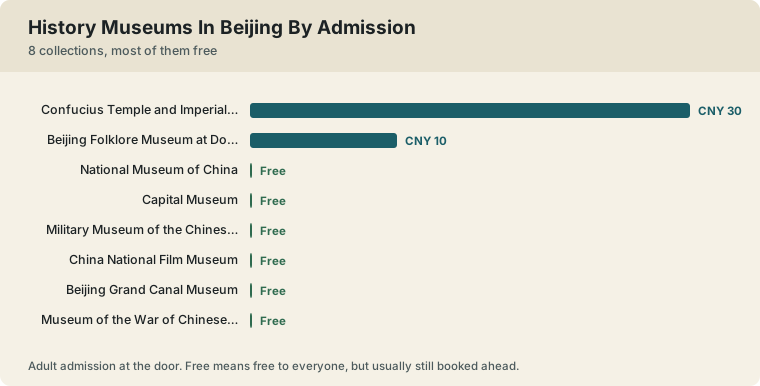
The Confucius Temple and the adjoining Imperial College (Guozijian) form a single museum on Guozijian Street in Dongcheng, where for centuries the empire’s brightest scholars sat the civil service examinations. Adult admission is CNY 30, and a reservation must be made at least one day ahead through the official website or WeChat. The site closes Monday except public holidays, and it reopened in September 2025 after restoration.
The temple courtyard holds rows of stone stelae carved with the names of every successful jinshi candidate from the Yuan, Ming, and Qing dynasties, a granite record of the entire imperial meritocracy. The central hall, the Dacheng Hall, contains a large wooden tablet dedicated to Confucius and is flanked by displays of ritual bronze vessels and musical instruments. Next door, the Imperial College’s Biyong Hall, a square pavilion surrounded by a circular moat, was where the emperor himself would lecture on the Confucian classics. The museum is compact, rarely crowded, and can be seen thoroughly in a single visit without rushing. Because the reservation window is only one day ahead, it is one of the easier history museums to book at short notice.
Free History Museums That Still Require A Reservation
Several of Beijing’s most important history museums charge no admission but demand a timed reservation made days in advance, and the window, release time, and closed day differ for every one. The Capital Museum is an exception: free, no reservation required, and walk-up with passport, but it closes Tuesday instead of Monday. The National Art Museum and National Natural History Museum are free but strictly reservation-only.
The Capital Museum’s permanent exhibition on Beijing’s history from the Liao dynasty to the Republican era is thorough and well labelled in English. It occupies a modern building on Fuxingmenwai Street and is rarely full on weekdays. For a wider list of free venues, see this guide to free museums in Beijing. The National Art Museum of China, on Wusi Street east of the Forbidden City, holds a rotating selection of 20th-century Chinese painting and calligraphy and releases its daily slots at 16:00, seven days ahead. The National Natural History Museum, despite its name, is primarily a history museum of life on Earth, with a celebrated dinosaur hall that includes the holotype fossils of Lufengosaurus and Mamenchisaurus. Its free tickets go live at 11:00, three days ahead, and are gone within minutes on weekends.
| Museum | Admission | Reservation window | Release time | Closed day |
|---|---|---|---|---|
| National Museum of China | Free | 7 days ahead | 17:00 | Monday |
| Capital Museum | Free | Walk-up, no reservation | n/a | Tuesday |
| National Art Museum of China | Free | 7 days ahead | 16:00 | Monday |
| National Natural History Museum | Free | 3 days ahead | 11:00 | Monday |
| Military Museum | Free | 8 days ahead | 08:00, 17:00, 20:00 | Monday |
| China National Film Museum | Free | Required, window not published | n/a | Monday |
Imperial History Museums: Palaces, Temples, And Tombs
Beijing’s imperial sites, while not all classified as museums, function as open-air history exhibitions and follow the same real-name reservation rules. The Forbidden City is the most strictly controlled, with tickets released seven days ahead at 20:00 and no same-day sales. The Summer Palace, Old Summer Palace, Temple of Heaven, and Ming Tombs each require advance booking, and their inner halls close Monday while parks remain open.
The Forbidden City is the anchor of any imperial history itinerary. Its official adult ticket is CNY 60 in peak season (April through October) and CNY 40 off-peak, sold exclusively through the “故宫博物院” WeChat mini-program. The official Palace Museum visit page confirms the 7-day-ahead, 20:00 release and the no-same-day-ticket policy. Third-party reservation services, from $7, book the ticket under your passport details when the official window opens, but they are not authorised agents, and the museum’s own site warns visitors to use only the official channel. The Summer Palace (CNY 30 door, from $14 via a booking service) and the Old Summer Palace (CNY 10, from $8) are both in Haidian and can be combined in a single day. The Temple of Heaven (CNY 34) is not strictly a museum, but its Hall of Prayer for Good Harvests and the Echo Wall are among the most photographed Ming dynasty structures in the city, and the paid halls close on Monday. The Ming Tombs in Changping, a day trip from central Beijing, include the underground palace of Dingling (CNY 60) and the above-ground hall of Changling (CNY 45), both bookable through a WeChat mini-program.
| Site | Door price | Product from | Reservation window | Closed day |
|---|---|---|---|---|
| Forbidden City (Palace Museum) | CNY 60 | $7 | 7 days ahead at 20:00 | Monday (except statutory holidays) |
| Summer Palace | CNY 30 | $14 | required, window not published | Inner halls close Monday |
| Old Summer Palace (Yuanmingyuan) | CNY 10 | $8 | required, window not published | UNPUBLISHED |
| Temple of Heaven | CNY 34 | n/a | 7 days ahead | Paid halls close Monday |
| Ming Tombs: Dingling | CNY 60 | $20 | required, window not published | UNPUBLISHED |
How The Reservation System Works Across History Museums
Twenty-two of Beijing’s thirty-one major museum venues require an advance real-name reservation, and only six accept genuine walk-ups without a prior booking. The reservation window, the exact release time, and the closed day vary by museum, and getting any of them wrong means being turned away. A foreign passport is accepted at every museum where the research confirmed it.
The Palace Museum’s 20:00 release, seven days ahead, is the most competitive. The National Museum’s 17:00 drop is nearly as tight. The Military Museum’s triple release at 08:00, 17:00, and 20:00 gives three chances in a single day, but the 08:00 slots go first. For visitors who cannot use a Chinese-language WeChat interface, several English-language booking services handle the reservation for a fee, but they carry the same risk of sell-out because they are booking the same official inventory under the customer’s passport details. The Capital Museum and the Great Bell Temple are among the rare walk-up exceptions, but even the Capital Museum requires a valid passport for entry and closes on Tuesday.
The Beijing Museum Pass And Other Money-Saving Tips
The 2026 Beijing Museum Pass costs CNY 120 and admits two people to about 140 venues for a full calendar year, including most history museums on this list. It is not a CityPASS and does not skip reservation requirements, but it reduces or eliminates door prices. The pass is sold at Xinhua Bookstores and via the official WeChat account.
At the Confucius Temple and Imperial College, the pass grants free entry for two. At the Capital Museum, which is already free, it offers priority access during peak periods. At the Paleozoological Museum and the Geological Museum, it cuts the door price. The pass does not cover the Palace Museum or the National Museum, but it is worth carrying for the smaller history museums that most visitors skip. Another saving strategy is to visit the free museums on weekdays, when the reservation pressure is lower, and to book the paid imperial sites for the same day to create a full itinerary without spending much on tickets. See this guide to the Beijing Museum Pass for a full breakdown of covered venues.
History Museums Open On Monday: The Rare Exceptions
Almost every state-run history museum in Beijing closes on Monday, but a handful of imperial parks and specialist museums keep their doors open. The Summer Palace and Old Summer Palace grounds are open daily, though paid inner halls close Monday. The Temple of Heaven park is open, but the Hall of Prayer for Good Harvests is closed. The Capital Museum closes Tuesday, making it the best Monday choice.
The Capital Museum closes on Tuesday instead of Monday, making it the single best choice for a Monday history itinerary. The Beijing Ancient Observatory closes on Tuesday, so it is also open on Monday. The Museum of the War of Chinese People’s Resistance Against Japanese Aggression in Fengtai is free, requires no reservation, and closes on Monday except holidays and commemorative days, so a Monday visit is possible if the date falls outside those exceptions. For a full Monday plan, pair the Capital Museum in the morning with the Ancient Observatory in the afternoon, and finish at the Lama Temple if its gates are open.
Planning Your Route: Which History Museums To Visit On A Short Trip
A three-day history-focused itinerary can cover the National Museum, the Forbidden City, the Military Museum, and the Confucius Temple without exhausting a visitor, provided reservations are secured in advance. Grouping museums by district saves travel time: Dongcheng holds the National Museum, Forbidden City, Confucius Temple, and National Art Museum, all within a 30-minute walk.
Day one in Dongcheng: start at the National Museum (booked seven days ahead at 17:00), walk north through Tiananmen Square to the Forbidden City (booked seven days ahead at 20:00), and end at the National Art Museum (booked seven days ahead at 16:00). Day two in Haidian and Xicheng: the Military Museum in the morning (booked eight days ahead), then the Capital Museum (walk-up) in the afternoon. Day three for the outliers: the Confucius Temple and Imperial College (booked one day ahead) in the morning, and the Ming Tombs or Zhoukoudian as a day trip if time allows. Every museum on this route closes on Monday except the Capital Museum, so a Monday start requires flipping the order.
| Day | Morning | Afternoon | Booking note |
|---|---|---|---|
| 1 | National Museum | Forbidden City, National Art Museum | All three open 7 days ahead |
| 2 | Military Museum | Capital Museum | Military 8 days ahead; Capital walk-up |
| 3 | Confucius Temple | Ming Tombs or Zhoukoudian | Confucius 1 day ahead; day trips require longer planning |
Common Questions About History Museums In Beijing
Which history museum in Beijing is the best?
The National Museum of China offers the broadest collection, from prehistoric fossils to modern revolutionary artefacts, and is the best single introduction. The Military Museum is unmatched for 20th-century hardware, and the Confucius Temple and Imperial College is the most atmospheric for pre-modern intellectual history.
Are Beijing’s history museums free?
The National Museum, Capital Museum, National Art Museum, National Natural History Museum, Military Museum, and China National Film Museum are all free, but most require an advance reservation. The Confucius Temple, Forbidden City, and imperial sites charge admission, typically CNY 20 to CNY 60 at the door.
Can foreigners book museum tickets in Beijing?
Yes. A foreign passport is accepted for real-name reservations at all the major history museums. The booking is made through each museum’s official WeChat mini-program or website. English-language booking services also handle the reservation for a fee, but they use the same official inventory and carry the same sell-out risk.
Do Beijing museums close on Monday?
Almost all state-run history museums close on Monday. The Capital Museum closes on Tuesday, and the Ancient Observatory closes on Tuesday. Imperial parks like the Summer Palace and Temple of Heaven keep their grounds open on Monday but close their paid halls.
How far ahead should I book the National Museum of China?
Reservations open seven days ahead at 17:00 Beijing time and are often fully claimed within minutes for weekends and holidays. For a weekday visit, booking two to three days ahead is usually sufficient, but the safest approach is to book as soon as the window opens.