Free Museums In Beijing: Which Ones Really Cost Nothing
Beijing has seven museums where the ticket price is zero, and the catch is never the money. It is the reservation system: most free venues still require an advance real-name booking that opens on a fixed day and a fixed hour, and the daily quota can vanish before you finish breakfast.
Short answer
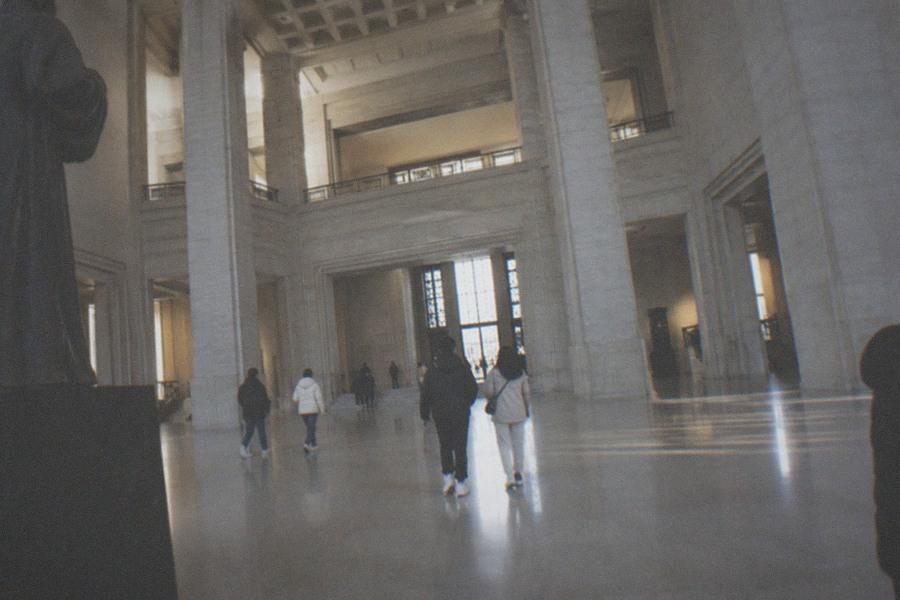
Seven Beijing museums are genuinely free: the National Museum of China, Capital Museum, National Art Museum of China, National Natural History Museum of China, China National Film Museum, Beijing Grand Canal Museum, and the Museum of the War of Chinese People's Resistance. Five of the seven still require an advance real-name reservation, and six of the seven close on Mondays.
Free Museums In Beijing: Which Ones Really Cost Nothing
Beijing's most misleading travel word is "free". Seven major museums in the city charge nothing for general admission, and at five of them you still cannot simply walk up to the door. Entry is controlled by an advance real-name reservation that opens on a specific day, at a specific hour, under a specific daily quota. Miss the window and the price of the ticket is irrelevant, because there is no ticket.
The money, in other words, is the easy part. The booking system is the actual barrier, and almost no English-language guide explains it venue by venue. This page does: which museums are truly free, when each reservation window opens, which day each venue closes, and how the pay-what-you-want walking tours stitch several of them together in a single day on foot.
Which Beijing Museums Are Genuinely Free To Enter?
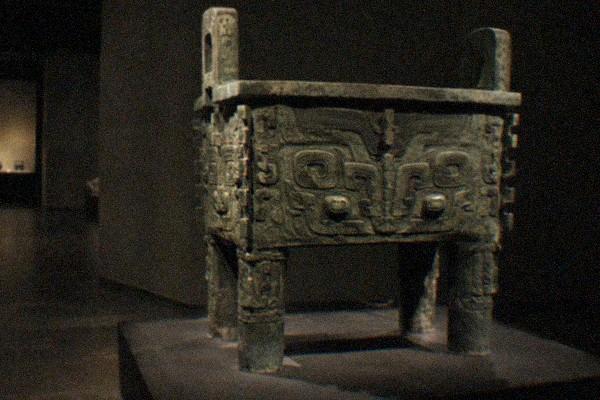
Seven museums in Beijing charge nothing for general admission: the National Museum of China, the Capital Museum, the National Art Museum of China, the National Natural History Museum of China, the China National Film Museum, the Beijing Grand Canal Museum, and the Museum of the War of Chinese People's Resistance Against Japanese Aggression. The Military Museum is also free at the door. Free here means the permanent exhibitions; some temporary shows carry a separate charge.
The list is short because Beijing's museum landscape is not built around free entry. The Palace Museum charges CNY 60 at the door, the Summer Palace CNY 30, and most specialist museums charge between CNY 10 and CNY 120. What the free venues share is state or municipal funding and a mandate for public access, which is also why they are the ones with the tightest reservation systems: unlimited free demand is exactly what a daily quota exists to manage.
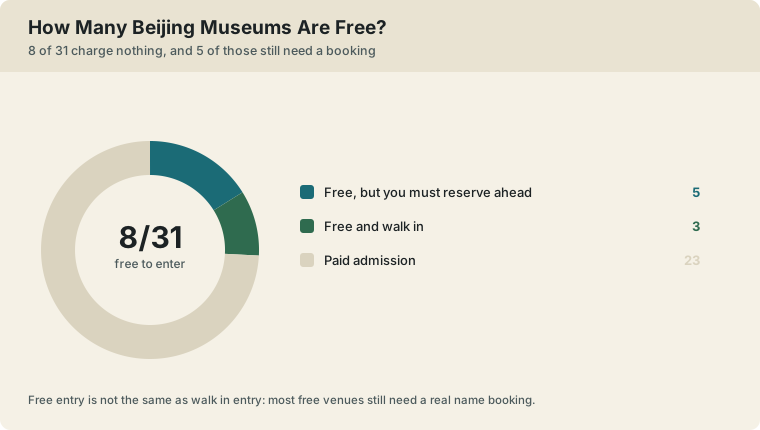
One distinction matters before you plan anything. "Free" and "walk-up" are different statuses in this city. Of the venues above, only the Capital Museum, the Beijing Grand Canal Museum, and the Museum of the War of Chinese People's Resistance take genuine walk-up entry with an ID document. The other four require a booked slot, and the Military Museum requires one too. A full breakdown of the reservation system, including how it treats foreign passports, is in the site's guide to how to book Beijing museum tickets.
| Museum | District | Entry cost | Reservation | Closed day |
|---|---|---|---|---|
| National Museum of China | Dongcheng | Free | Required, 7 days ahead at 17:00 | Monday |
| Capital Museum | Xicheng | Free | Walk-up with ID | Tuesday |
| National Art Museum of China | Dongcheng | Free | Required, 7 days ahead at 16:00 | Monday |
| National Natural History Museum of China | Dongcheng | Free | Required, 3 days ahead at 11:00 | Monday |
| China National Film Museum | Chaoyang | Free | Required, window not published | Monday |
| Beijing Grand Canal Museum | Tongzhou | Free | Walk-up with ID | Monday |
| Museum of the War of Chinese People's Resistance | Fengtai | Free | Walk-up with ID | Monday |
| Military Museum of the People's Revolution | Haidian | Free | Required, 8 days ahead | Monday |
The Monday column deserves its own section further down this page, because it is the single most expensive planning mistake in Beijing. Note also the Capital Museum's Tuesday closure, an exception to the Monday rule that catches out visitors who trusted the general pattern.
Why Free Almost Never Means Walk-In In Beijing
Twenty-two of the thirty-one major museums and heritage venues in Beijing require an advance real-name reservation, and only six take genuine walk-ups. The reservation is tied to your passport number, released in a daily quota, and opened on a fixed schedule, often exactly seven days before your visit at a specific hour of the evening. A free museum with a sold-out quota is exactly as inaccessible as a paid one.
The system exists because free admission creates unlimited demand. A venue that charges nothing cannot use price to ration entry, so it rations by slot instead. Each museum publishes its own window: the National Museum of China releases slots seven days ahead at 17:00, the National Art Museum seven days ahead at 16:00, and the National Natural History Museum only three days ahead at 11:00. The short three-day window at the natural history museum is the one that most often catches families arriving on a four-day trip, because by the time they think about booking, the day they wanted is already gone.
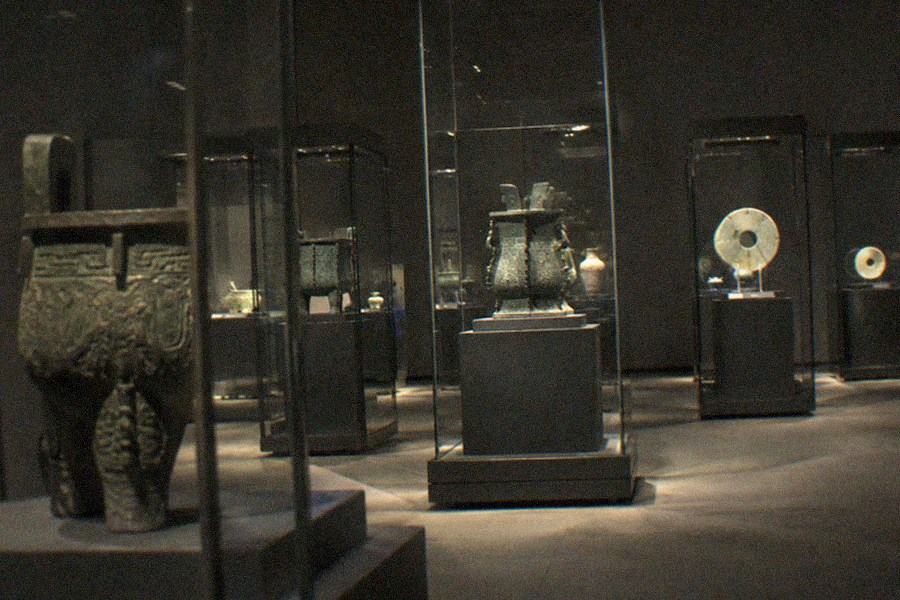
The booking is real-name, meaning the passport or ID number used to reserve is the document you present at the gate. You cannot book four slots on one passport and bring four people. For foreign visitors this is the practical crux: where the research confirmed a venue accepts foreign passports in its own booking channel, that is noted below, and where it was not confirmed, no claim is made here.
| Museum | Booking window opens | Release time | Walk-up possible |
|---|---|---|---|
| National Museum of China | 7 days ahead | 17:00 | No |
| National Art Museum of China | 7 days ahead | 16:00 | No |
| National Natural History Museum | 3 days ahead | 11:00 | No |
| China National Film Museum | Required | Not published | Limited |
| Military Museum | 8 days ahead | 08:00, 17:00, 20:00 | No |
| Capital Museum | None | Walk-up | Yes |
| Beijing Grand Canal Museum | None | Walk-up | Yes |
| War of Resistance Museum | None | Walk-up | Yes |
The Military Museum's triple release times are unusual and worth knowing: slots appear at 08:00, 17:00 and 20:00, so a morning miss does not end the day's chances.
Because several of these museums sit along or near the city's historic central axis, the free walking tours cover real ground between them. The pay-what-you-want model works simply: you reserve a free slot, walk the route, and tip the guide at the end.
National Museum Of China: The Flagship Free Reservation
The National Museum of China is free, sits directly on the east side of Tiananmen Square, and requires a real-name reservation that opens seven days ahead at 17:00 Beijing time. It closes on Mondays except statutory holidays. It is the largest museum in one of the most visited squares on earth, which means its free quota is among the first in the city to disappear on popular dates.
Booking runs through the museum's own official channels, and the reservation page is published at the museum's visit page. A foreign passport is accepted for the real-name booking. What trips most visitors up is not the passport but the clock: 17:00 in Beijing is the middle of the night in North America and early morning in Europe, so travelers who wait until their own daytime to book often find the day already allocated. Set an alarm or book through the museum's channel the moment the window opens.
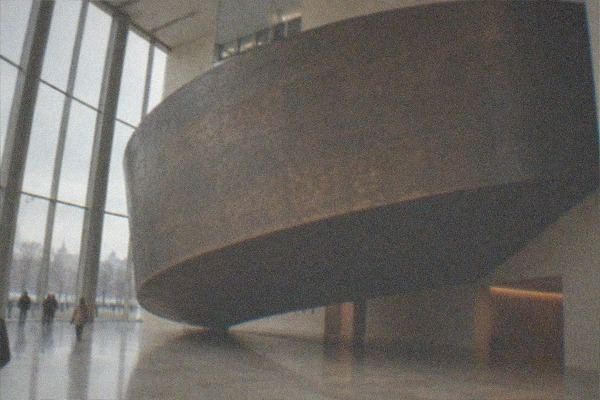
Inside, the permanent collection runs from Neolithic jades through the bronzes of the Shang and Zhou dynasties to the modern era, and the building is enormous enough that a full visit is a half-day commitment. The site's blog post on how long to see the National Museum of China covers pacing in detail. The museum also anchors the east side of the square, which makes it a natural pairing with a central-axis walk: the calligraphy walking tour follows the axis past the museum, through Liulichang Antiques Street and on to the Qianmen pedestrian street, ending near the Zhengyang Gate Arrow Tower. You can see this free tour on GuruWalk and reserve a slot without paying anything up front.
The bike tour covers the same axis from a different angle, riding Chang'an Avenue past Tiananmen Square itself before looping past the Forbidden City's corner turret and moat. It is a good fit for a day that pairs the National Museum with outdoor sightseeing, and you can see this free tour on GuruWalk for the meeting point in Jinyu Hutong.
Capital Museum: The Free One You Can Walk Into
The Capital Museum is free and takes genuine walk-up entry with a valid ID or passport, which makes it the most forgiving major museum in Beijing for travelers who failed to plan a week ahead. Its one trap is the calendar: it closes on Tuesdays, not Mondays, a change from its earlier schedule. The museum covers Beijing's own history and urban culture rather than national treasures.
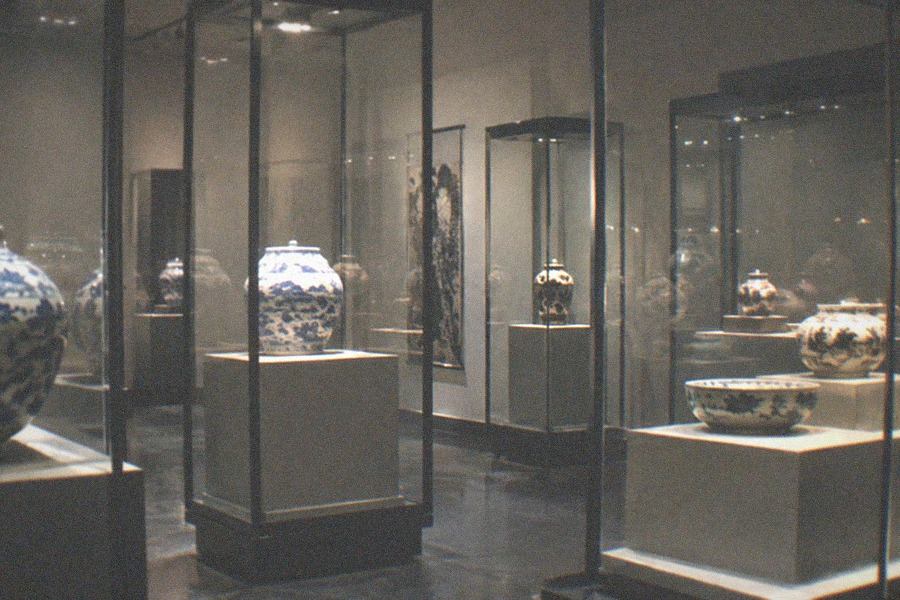
Walk-up access is the exception worth exploiting. On a Tuesday-closure schedule, the museum's quietest windows tend to be weekday afternoons, and the entry process is a security check and ID registration at the north gate rather than a slot redemption. The building itself, on Fuxingmenwai Street in Xicheng, is a striking modern structure with a central hall built around a Ming-era archway, and the permanent galleries trace the city from a walled frontier town to imperial capital to megacity. Current visiting rules are published at the Capital Museum's visit page.
One honest limitation: the Capital Museum has no free walking tour coverage, and this page will not imply otherwise. It sits well west of the central-axis routes the walks follow, so treat it as a self-guided stop, easily combined with the Beijing museums map rather than a tour. If your day is built around the hutongs and lakes north of the Forbidden City instead, the imperial city walking tour works that neighborhood, but it does not come near the Capital Museum.
National Art Museum Of China: Free, With A Seven-Day Clock
The National Art Museum of China is free and requires a reservation that opens seven days ahead at 16:00, with a daily cap of roughly 6,000 visitors. It closes on Mondays except statutory holidays. The collection is modern and contemporary Chinese painting and sculpture, and the building sits on Wusi Street within walking distance of the Forbidden City's east flank.
The 16:00 release time is earlier in the day than most other windows, which actually helps long-haul visitors: 16:00 in Beijing is morning in Europe, so a booking made over breakfast often lands. A foreign passport is accepted in the museum's own booking channel. The permanent galleries hold the big names of twentieth-century Chinese ink painting alongside rotating exhibitions that can draw large domestic crowds, so a free museum can still feel busy without being full. Other pages covering the same trip are gathered on Beijing Museums.
The museum's location is its hidden advantage. Its namesake subway station, National Art Museum, is the meeting point for the street food walking tour, which starts at Exit B and works through a vegetable market, a well-known local coffee roaster and the city's first Daoxiangcun store. Two and a half hours of eating and walking pairs neatly with a morning of painting. You can see this free tour on GuruWalk and book a free slot, tipping the guide at the end.
For travelers weighing art venues against each other, the site's guide to art museums in Beijing compares the free national gallery with the paid contemporary spaces in the 798 district.
National Natural History Museum: The Short-Window Family Favorite
The National Natural History Museum of China is free, dinosaur-focused, and the hardest of the free museums to book on short notice, because its reservation window opens only three days ahead at 11:00. It closes on Mondays except statutory holidays. The three-day window means a traveler arriving on Friday cannot yet book Sunday until Friday morning, and weekend slots go quickly.
The museum's own English site states plainly that admission is free, with a charge for some temporary exhibitions, and the reservation rules are published at the museum's English visit page. Individuals book three days ahead, groups four days ahead, and there is no on-site booking for general visitors. A foreign passport works in the booking channel. The practical advice is to set a reminder for 11:00 on the day the window opens, especially for weekend visits during school holidays, when the dinosaur halls are the city's most requested free family ticket.
The collection is genuinely strong: Peking Man material, fossil fish from the Jehol biota, and mounted sauropod skeletons that fill the central hall. Families planning a wider trip should read the site's guide to Beijing museums with kids, which places the natural history museum alongside the paid science and technology venues.
China National Film Museum: Free, Far East, And Reservation-Only
The China National Film Museum is free and requires a reservation, but the release window for its daily quota is not published in the sources this site could verify, so the honest advice is to reserve as early as your itinerary allows and treat availability as uncertain. It closes on Mondays except holidays. The museum sits in Chaoyang well east of the center, near the 798 art district, and is one of the largest film museums anywhere.
The building is a destination in itself: a vast black-and-silver structure with exhibition halls tracing a century of Chinese cinema, from silent-era Shanghai to contemporary blockbusters, plus screens that show archival prints. Because the reservation window is not published, this is the one free museum where a same-day or next-day plan is genuinely risky, and where the museum's own WeChat channel is the only reliable source of the current schedule.
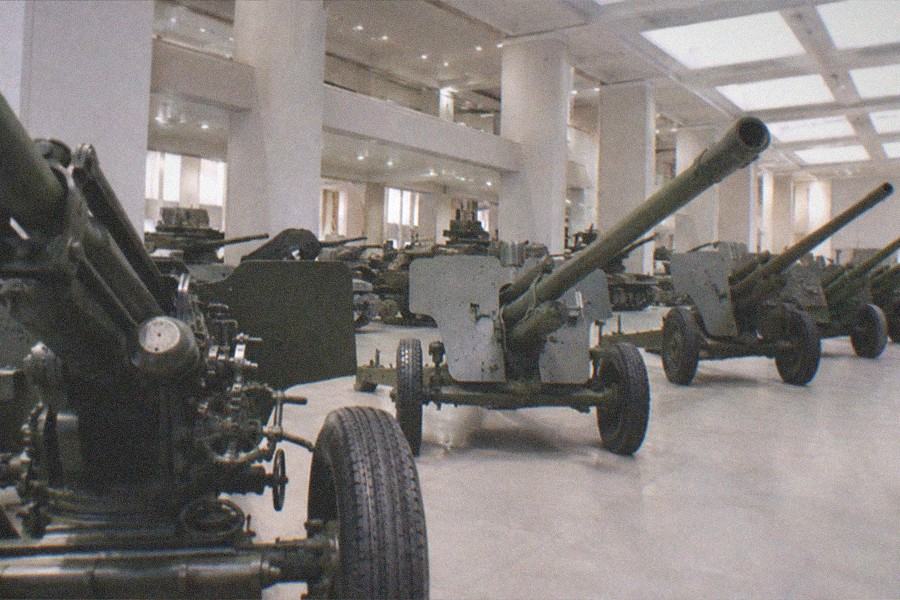
Pairing it with the 798 Art Zone makes geographic sense, and the site's guide to the 798 art district covers that neighborhood's galleries. The film museum has no free walking tour coverage, so plan it as a self-guided half-day reached by taxi or a long metro ride.
Free Museums Beyond The Centre: Canal And Wartime History
Two of the seven free museums sit well outside the central districts: the Beijing Grand Canal Museum in Tongzhou, which takes walk-up entry, and the Museum of the War of the Chinese People's Resistance Against Japanese Aggression at Wanping Fortress near Marco Polo Bridge, also walk-up. Both close on Mondays. Both reward a dedicated half-day rather than being squeezed between central-axis sights.
The Grand Canal Museum, the Capital Museum's eastern branch, tells the story of the waterway that fed imperial Beijing for centuries, and its walk-up policy makes it the easiest major museum visit in the entire city: arrive with a passport, register, enter. The War of Resistance Museum reopened in July 2025 after a renovation and stands inside the preserved Wanping fortress walls, with the Marco Polo Bridge itself a short walk away. The bridge's own stones, rippled by eight centuries of cart traffic, are as much the exhibit as anything indoors.
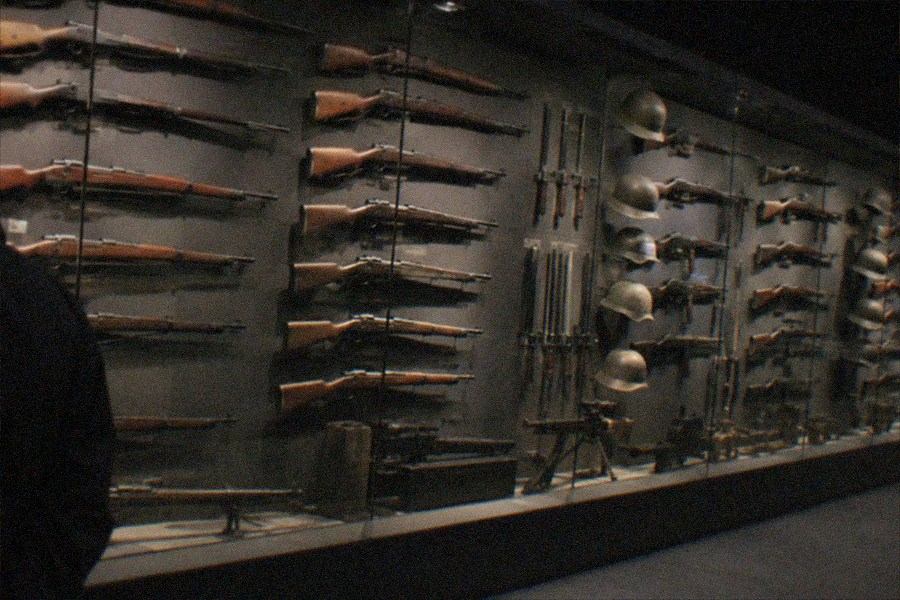
Both belong to the day-trip tier of Beijing museum planning, covered more fully in the site's guide to Beijing day-trip museums. Neither has free walking tour coverage, and the fortress area is far enough west that a taxi or the metro plus a walk is the realistic route.
Planning A Free-Museum Day Around Monday Closures
Six of the seven free museums close on Monday, and the Capital Museum closes on Tuesday, so a Monday arrival in Beijing leaves exactly one major free museum, the Capital Museum, visitable, and only if you go on a different day. The workaround is to schedule museums by closed day rather than by neighborhood: Monday for parks and walk-up sites, Tuesday for the Capital Museum, Wednesday onward for everything else. Statutory holidays override the Monday closures at most venues.
The pattern is near-universal across Chinese national and municipal museums, and it exists because Monday is the industry-standard maintenance day. The trap is that travelers routinely land in Beijing on a Monday, see the city's top names on their list, and discover a wall of closed doors. The site maintains a dedicated guide to Beijing museums open on Monday, which lists the exceptions, including the venues that stay open when a statutory holiday falls on a Monday.
| If it is Monday | If it is Tuesday | Best free picks |
|---|---|---|
| Capital Museum closed? No, it is open | Capital Museum closed | National Museum, Art Museum, Natural History |
| National Museum closed | All other free museums open | Capital Museum on Tuesday, everything else Wed onward |
| Film Museum closed | Grand Canal Museum open | Pair the Capital Museum with a paid sight |
| Grand Canal Museum closed | War of Resistance Museum open | Holiday Mondays: most reopen |
A practical free-museum day that avoids the closure trap entirely: book the National Museum of China for a Wednesday morning when its window opens the previous Wednesday at 17:00, spend the afternoon on the central-axis walking route past Qianmen, and reserve the natural history museum for the same trip only if the three-day window cooperates. The bike tour is the strongest single add-on for this shape of day, since it passes Tiananmen Square and the Forbidden City's moat between museum stops, and you can see this free tour on GuruWalk for its route along Chang'an Avenue.
Is The Beijing Museum Pass Worth It For Free Museums?
The Beijing Museum Pass is a real product, the 2026 edition covers about 140 venues at CNY 120 and admits two people across the year, and it is aimed at the paid venues, not the free ones. If your itinerary is built around the seven free museums on this page, the pass saves you nothing, because you cannot discount a zero ticket. It earns its price back at two or three paid venues, and it is not a CityPASS.
The pass is a pocket booklet rather than a card, usable by a couple or a family sharing it, sold through official channels and Xinhua bookstores. For a traveler whose list mixes the free national museums with paid specialist venues, the pass and the free walking tours complement each other: the walks cost nothing up front and the pass covers the paid doors. The site's dedicated guide to the Beijing Museum Pass breaks down which venues are included and where the math turns positive.
| Itinerary type | Pass useful? | Why |
|---|---|---|
| Free museums only | No | Nothing to discount |
| Free museums plus one paid venue | Marginal | One paid entry rarely covers the booklet |
| Free museums plus three paid venues | Yes | Paid entries recover the CNY 120 quickly |
| Free museums plus walking tours | No | Walks are pay-what-you-want, not ticketed |
For contrast, a day built around the paid imperial sites instead is a different budget entirely from the free-museum week described here. The Summer Palace is the classic example: entry at the door is CNY 30, it requires an advance reservation like the free venues do, and its inner halls such as the Tower of Buddhist Incense close on Mondays. Both approaches are legitimate ways to see Beijing; they simply do not mix on the same balance sheet.
Common Questions About Free Beijing Museums
Are Beijing museums really free?
Seven major Beijing museums charge nothing for general admission: the National Museum of China, Capital Museum, National Art Museum of China, National Natural History Museum of China, China National Film Museum, Beijing Grand Canal Museum, and the Museum of the War of Chinese People's Resistance. The Military Museum is also free. Most still require an advance real-name reservation.
Can you walk into free Beijing museums without a reservation?
Only three take genuine walk-up entry with an ID document: the Capital Museum, the Beijing Grand Canal Museum, and the War of Resistance Museum. The National Museum of China, the National Art Museum, the Natural History Museum, the Film Museum and the Military Museum all require a booked slot.
When do free Beijing museum reservations open?
The National Museum of China opens seven days ahead at 17:00, the National Art Museum seven days ahead at 16:00, the Natural History Museum three days ahead at 11:00, and the Military Museum eight days ahead with releases at 08:00, 17:00 and 20:00. The Film Museum requires a reservation but does not publish its window.
Do free Beijing museums close on Monday?
Six of the seven free museums close on Monday, with statutory holidays usually overriding the closure. The Capital Museum is the exception on the other side: it closes on Tuesday. Planning museum days by closed day, not by neighborhood, is the single most useful habit in Beijing.
Does a foreign passport work for free museum reservations in Beijing?
Yes at the venues where the research confirmed it, including the National Museum of China, the Capital Museum, the National Art Museum, the Natural History Museum and the Military Museum. The passport number used to reserve is the document you present at the gate, so the same person must book and enter.
Are the free walking tours in Beijing actually free?
They are pay-what-you-want. You reserve a free slot, walk the route, and tip the guide at the end whatever you think the walk was worth. There is no ticket price up front, which is why this page recommends them as the natural companion to a free-museum day.
More free walks that pass these museums: Beijing Historic Free Walking Tour With Calligraphy Creation, Beijing by Bike: Tiananmen, Old City and Central Axis. They are pay what you want: book a free slot on GuruWalk and tip the guide at the end.