Is UCCA Beijing Worth The Ticket?
An honest look at UCCA Center for Contemporary Art in Beijing's 798 district: what the ticket covers, how booking works, and when the visit earns its price.
Is UCCA Beijing Worth The Ticket?
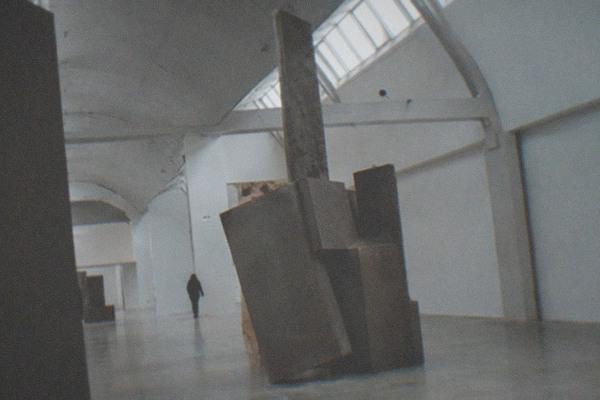
Yes for visitors with a genuine interest in contemporary art, no for anyone expecting a permanent collection museum. UCCA has no fixed galleries of masterworks; it is an exhibition house whose content rotates completely, and its ticket is priced per show rather than per building. If a headline exhibition is running, the ticket is one of the better art spends in Beijing; between shows, there may be little to see.
That last point is the whole crux, and it is worth stating plainly. The classic Beijing museum question, "what does it cost to get in," has a stable answer at most venues in this city. At UCCA it does not. The museum does not publish a standing adult price, because there is no standing show. Each exhibition carries its own ticket, its own pricing, and sometimes its own timed-entry rules. A visitor who asks what UCCA costs without naming a month is asking a question with no answer, and any guide that prints a single confident figure for it is guessing.
The honest framing is different. UCCA is worth the ticket when you can name the exhibition you are going to see, you know it is a show you care about, and you have confirmed the museum is open on your date. It is not worth the ticket as a default stop on a generic Beijing checklist, because the risk of arriving during an install week or a thin interim display is real and the museum's own schedule, not a ticket price, is what determines the experience.
There is also a structural fact that matters to anyone planning a purchase. No third-party booking product for UCCA exists on any of the major ticketing platforms this site tracks. That is not a failure of the museum; it is a deliberate shape of its ticketing. UCCA sells through its own channel, and this article will point you there rather than pretending an easier option exists. For visitors who want a guaranteed, bookable Beijing highlight on the same day, the imperial sites at the end of this article are the reliable alternatives.
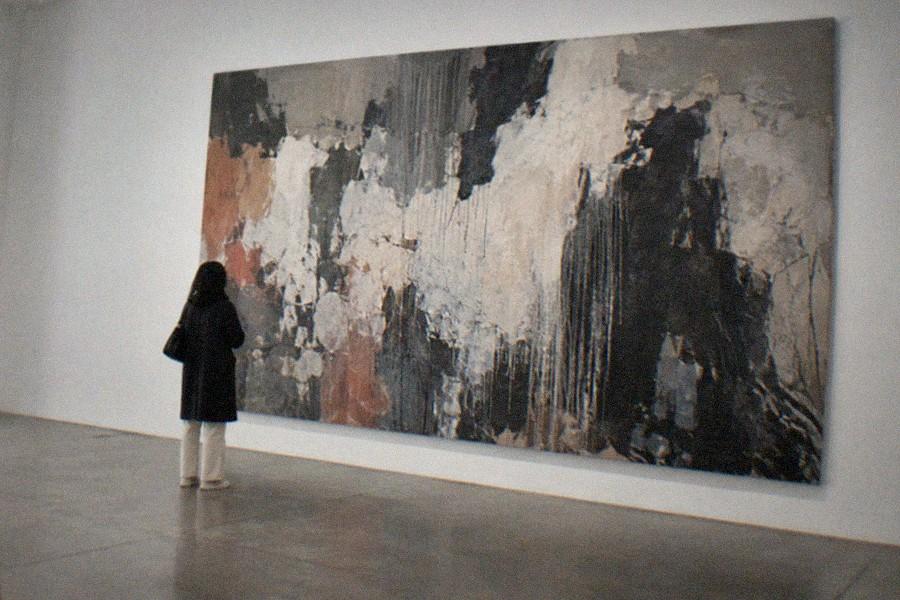
For context on where UCCA sits in the city's art landscape, the Beijing art museums overview covers the full spectrum from the free National Art Museum of China to private contemporary spaces, and the 798 Art District guide explains the former factory campus UCCA calls home. Read those alongside this piece if you are building an art-focused itinerary.
What Does A UCCA Ticket Actually Cover?
A UCCA ticket covers one named exhibition, in one building, on one date, and nothing else. There is no permanent collection, no combined campus ticket, and no standing adult price published by the museum; the figure you pay depends entirely on which show is running. The ticket does not include the surrounding 798 Art Zone, which is free to walk, nor the district's private galleries, most of which charge nothing.
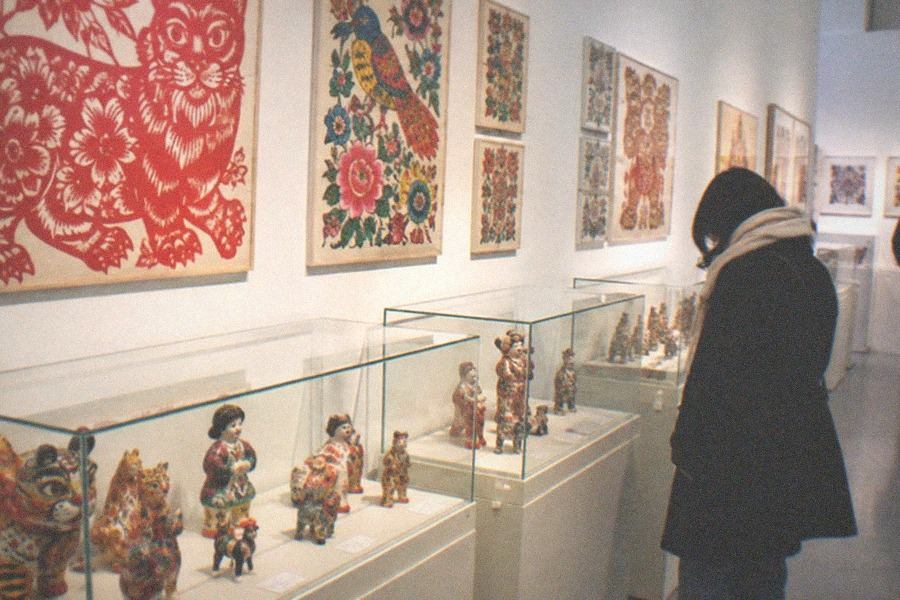
This is where UCCA differs from nearly every other museum covered on this site, and the difference is worth understanding before you spend anything. The National Art Museum of China is free with a reservation. The Capital Museum is free with walk-up entry. The Red Brick Art Museum charges a published door price, CNY 120, for a stable sculpture-and-architecture experience you can read about in advance. UCCA's product is none of these: it is closer to a European kunsthalle than a classic museum, a building that exists to host temporary exhibitions rather than to display a permanent holding.
The practical consequence is that the worth calculation is really an exhibition calculation. A major UCCA show, and the museum has hosted some of the most significant contemporary art exhibitions in China, can fill its large halls with work that would otherwise require a trip to Shanghai, Hong Kong, or further. A minor show, or the period between exhibitions when install crews have the halls, gives you a lobby, a bookshop, and a café. The museum's own exhibition calendar is the single most important planning document for your visit, and checking it should be step one, before any thought of tickets.
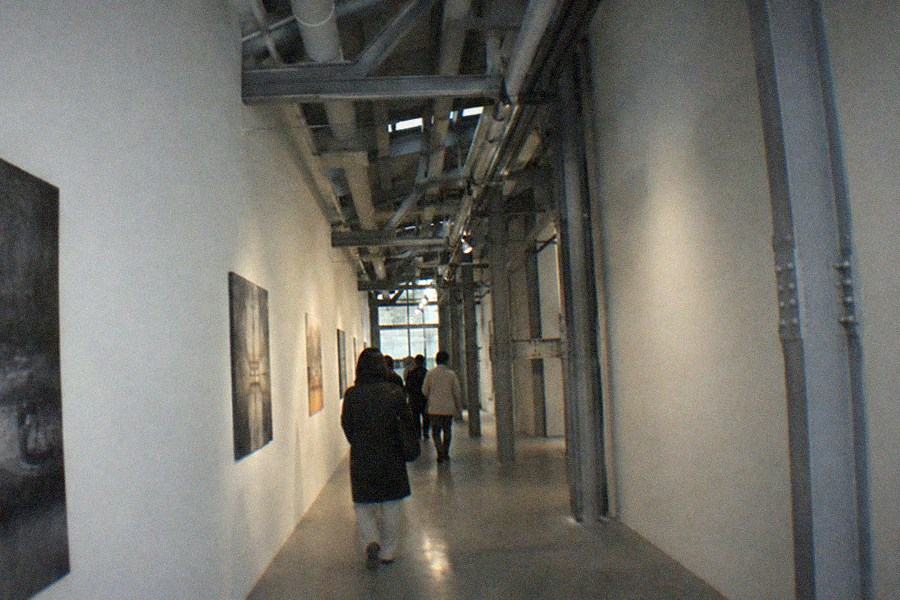
The second consequence is about timing your Beijing art day. Because the 798 zone around UCCA is free and open, a smart plan treats the zone as the guaranteed experience and UCCA as the optional upgrade. If the current show interests you, buy the ticket and give the museum two hours. If it does not, the district still delivers: galleries, public sculpture, the street-level energy of a converted electronics factory campus, and café after café. You lose very little by deciding on the day, with one exception covered below: popular opening weekends and holiday periods can sell out timed slots, so a must-see show on a busy date argues for booking ahead.
One more honest note on the ticket itself. Because UCCA prices per exhibition, this article deliberately prints no figure for admission. Any number that appeared here would be wrong for some show, some season, or some year. The museum's own listing for the current exhibition is the only source with the real price, and it takes under a minute to check.
How Do You Book UCCA, And Can A Foreigner Do It?
UCCA requires an advance reservation, but the booking window is not published as a fixed number of days ahead, and the museum sells through its own channel rather than through any third-party ticketing product. A foreign visitor books through that same channel; there is no separate tourist system and no agent shortcut, because no authorized reseller product exists. The museum's own site and social accounts are where the current show's booking link lives.
The mechanics deserve a plain explanation, because Beijing's reservation culture catches a lot of first-time visitors off guard. Across the 31 venues this site covers, 22 require an advance real-name reservation and only 6 take genuine walk-ups. Free admission almost never means walk-in entry. UCCA sits on the reserved side of that line: you reserve, you choose a date and usually a timed slot, and you present the booking, with ID, at the door.
For foreign visitors, the general pattern across Beijing's museums is that a passport works as the identity document for real-name booking at venues where the research confirmed it. Where confirmation was not possible, the honest answer is to say nothing rather than guess, and UCCA's channel details fall into the category you should simply verify on the museum's own page before booking. The 798 zone itself requires nothing: no reservation, no ticket, no ID, just an open street.
Why does no booking product exist for UCCA when the Forbidden City, the Summer Palace, and the Lama Temple all have them? Mostly because of scale and demand. The imperial sites sell out and need reservation services; a contemporary art museum with per-exhibition pricing and moderate demand has no need for an intermediary. That is good news for the visitor: there is no middleman fee, and the price you see on the museum's channel is the price you pay. It also means this article will not pretend otherwise. When a venue has no affiliate product anywhere, the right guidance is to point at the venue's own channel, without urgency and without a hard sell.
The booking sequence, in practice, looks like this. Check the exhibition calendar and confirm the show and the dates. Open the museum's own booking page for that exhibition, choose your date and time slot, and complete the real-name reservation. Bring the passport or ID you booked with. If your plans are loose, you can often decide on the day outside peak periods, but for an opening weekend or a holiday-week show, reserve as early as the channel allows. The museum's closure pattern also matters here: UCCA closes on days that vary by exhibition, commonly Monday, so never assume a Monday visit without checking the current show's page.
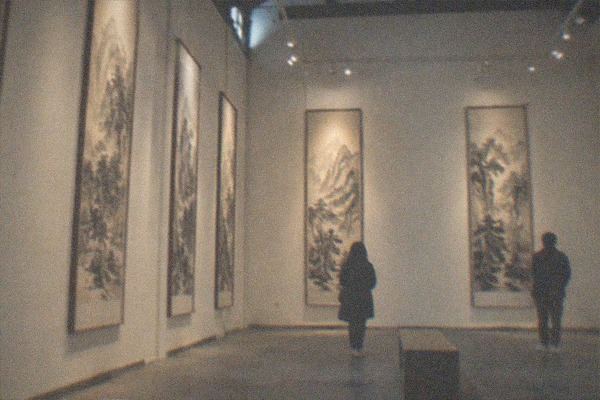
For a broader look at how Beijing's reservation windows work across the whole city, including which museums release slots seven days ahead and which take walk-ups, the museum ticket booking guide covers the system venue by venue.
How Does UCCA Compare With Beijing's Other Art Museums?
UCCA is the strongest pick for contemporary and international-caliber shows, the National Art Museum of China is the strongest free pick for Chinese fine arts, and the Red Brick Art Museum is the strongest pick for architecture and gardens rather than for painting. UCCA's weakness is the same as its strength: with no permanent collection, its value swings entirely with the exhibition calendar, while its rivals offer a more predictable visit.
The comparison is easier to see side by side. The table below lines up Beijing's main art museums by what the ticket buys, what booking requires, and what kind of visitor each one suits. Note the pattern in the booking column: art museums in this city split cleanly into free-but-reserved national institutions, priced private museums with their own channels, and UCCA, which is priced per exhibition and reserved through its own page. The full index of guides sits on Beijing Museums.
| Museum | Area | Entry cost | Booking | Closed day | Best for |
|---|---|---|---|---|---|
| UCCA Center for Contemporary Art | Chaoyang (798) | Priced per exhibition, no standing figure | Reservation required, window not published; own channel only | Varies by exhibition, commonly Monday | Major contemporary shows, international artists |
| National Art Museum of China | Dongcheng | Free | Reserve 7 days ahead, slots open at 16:00 | Monday (except statutory holidays) | Chinese fine arts, zero cost |
| Red Brick Art Museum | Chaoyang | CNY 120 at the door | No affiliate product; museum's own channel | Monday (except holidays) | Architecture, sculpture park, gardens |
| Capital Museum | Xicheng | Free | Walk-up entry, no reservation | Tuesday | Beijing history, reliable fallback |
| Poly Art Museum | Dongcheng | CNY 20 at the door | Reserve 1 day ahead; own channel | Sunday and statutory holidays | Ancient bronzes, Buddhist carving |
Read the table with your own priorities in mind. A visitor who cares about contemporary work should put UCCA first and check the calendar immediately. A visitor on a budget gets an enormous amount from the National Art Museum of China, free with a reservation that opens seven days ahead at 16:00, though its daily visitor limit means popular days go fast. A visitor who wants photographs and a stroll more than a gallery crawl will enjoy the Red Brick Art Museum despite its CNY 120 door price, the highest of the private museums on this list, because the building and grounds are the exhibit.
The deeper point is that Beijing rewards mixing registers. A day that pairs a free national institution with a paid private museum gives you both the canon and the contemporary, and the city's geography makes it easy: Dongcheng's free museums in the morning, 798's galleries in the afternoon. The three-day Beijing museum itinerary builds exactly this kind of split, and the free museums in Beijing guide lists every zero-cost option with its reservation rule, which is the detail that actually determines whether a free museum is visitable on your date.
UCCA's own position in that mix is secure but conditional. It is the only venue on the list that can plausibly claim international exhibition programming at the level of a major biennial city, and the only one whose answer to "is it worth it" changes month to month. Treat it as a dynamic entry in your plans, not a fixed one.
What Is A Realistic Day Around UCCA In 798?
Plan a half day: two hours inside UCCA for a major show, two to three hours walking the 798 Art Zone's free galleries and streets, and no more unless a second paid museum tempts you. The zone sits in Chaoyang, away from the Dongcheng museum cluster, so most visitors reach it by taxi or metro plus a short ride. UCCA commonly closes Monday, so confirm the current show's schedule first.
The geography is the first thing to get right. The 798 Art Zone occupies a former electronics factory complex in northeast Chaoyang, and it is not walking distance from the Forbidden City, the National Museum, or any of the Dongcheng cluster. Most itineraries work best with 798 as a dedicated half-day block, morning or afternoon, rather than a spontaneous add-on. Inside the zone, everything is walkable: UCCA anchors one end, and the smaller commercial galleries, bookshops, and sculpture displays string along the main lanes between.
The free layer of the district is genuinely substantial, and it is the insurance policy for a UCCA visit. If the current exhibition disappoints or the slots are gone, the zone itself still fills an afternoon: independent galleries that rotate shows of their own, public art scattered through the lanes, and the industrial bones of the campus, sawtooth roofs and exposed brick, that made the area an art destination in the first place. Budget zero for this layer and you still leave with a real experience.
The paid layer is where choices happen. UCCA's ticket is the main one. Beyond it, the Red Brick Art Museum sits a short ride away with its CNY 120 door price and its garden-and-brick architecture, a strong pairing for an art day if you want one museum with a fixed, predictable identity. Doing both in one day is feasible but tiring; most visitors enjoy one museum deeply plus the zone more than two museums at a shuffle.
Two practical warnings from the booking side of things. First, holiday weeks change everything: the zone gets crowded, UCCA's timed slots tighten, and the free galleries queue. Second, the Monday problem. Beijing's museums close Monday as a near-universal rule, and while UCCA's exact closure day varies by exhibition, commonly Monday, a Monday 798 plan risks finding the headline museum shut with the streets still open. The museums open on Monday guide exists precisely for this trap, and it is worth a look before you lock any Monday in Beijing. For rainy or freezing days, the indoor Beijing guide ranks the museums that hold up best when the outdoor layer of a plan disappears.
For visitors combining the art day with the imperial classics, sequencing matters. The Palace Museum releases its tickets seven days ahead at 20:00 and sells no same-day tickets at all, so a Forbidden City morning must be reserved well before your 798 afternoon is even a plan. The Forbidden City ticket cost explainer covers that booking rhythm in detail.
When Is The Ticket Clearly Worth It, And When Is It Not?
The ticket is clearly worth it when a named major exhibition is running during your dates, you have confirmed the museum is open that day, and contemporary art is a real interest rather than a box to tick. It is clearly not worth it during install periods, thin interim displays, or on a trip too short for anything beyond the imperial sites. The decision takes five minutes on the museum's exhibition page, and that check should always come first.
Run the decision as a short sequence. Name the show: if you cannot, stop and check the calendar. Confirm the dates: exhibitions open and close, and a show you saw advertised may already have ended. Confirm the closure day for that exhibition, because it varies. Then decide whether the show's subject pulls you. Contemporary art rewards interest and punishes indifference more than any other genre, because the work assumes context; a visitor who loves it gets a top-tier international museum, and a visitor who does not gets a fast, expensive walk.
The counter-case deserves equal honesty. Beijing's imperial core is unrepeatable. The Forbidden City, the Temple of Heaven, the Summer Palace, and the Lama Temple are the reason most travelers cross the world, and each of them requires a reservation with its own release rhythm. On a two-day trip, every hour spent in a contemporary gallery is an hour not spent at the Meridian Gate or on Longevity Hill. The art lover should still carve out 798; the generalist should probably not, and this article would rather say so than sell a ticket that fits one visitor in ten.
There is a middle path, and it is the one this site recommends most often. Go to 798 regardless, because the zone is free and it is one of Beijing's most distinctive urban experiences. Decide on UCCA when you are standing in it. If the current show pulls you, buy the ticket on the spot outside peak periods, or book ahead if it is an opening weekend. If it does not, the district has already paid for your afternoon, and your budget goes to the imperial sites instead, where the reservation products are plentiful and the experiences are fixed.
For those imperial alternatives, the booking picture is stable and well documented. The Summer Palace's entry product starts from $14 and carries a 4.7 rating across 1,144 reviews, with inner halls such as the Tower of Buddhist Incense closing Monday. The Palace Museum's product starts from $7 with a 4.5 rating across 655 reviews, booked seven days ahead at 20:00, closed Monday except statutory holidays. The Lama Temple's starts from $10, rated 4.5 across 158 reviews, with a seven-day booking window. Note the museum's own published position alongside any third-party option: the Palace Museum states it has not authorized any third-party institutions or individuals to act as ticket agents, and it sells no same-day tickets; the reservation services available book the official ticket under your passport details and refund if the official quota sells out first. Both facts belong together, and a visitor should know both before choosing a channel.
Common Questions About UCCA Beijing Tickets
Is UCCA Beijing Worth The Ticket?
It is worth it when a major exhibition is running and contemporary art genuinely interests you; it is not worth it during install periods or for a visitor whose Beijing time is better spent on the imperial sites. UCCA has no permanent collection, so the exhibition calendar, not the ticket price, decides the answer.
Does UCCA have a fixed admission price?
No. UCCA prices each exhibition individually and does not publish a standing adult price. The current show's page on the museum's own channel is the only place with the real figure, and any guide printing a single number is guessing.
Do you need to book UCCA in advance?
Yes, a reservation is required, though the booking window is not published as a fixed number of days ahead. Outside openings and holiday periods you can often book close to your visit, but a popular show on a busy date argues for reserving as early as the channel allows.
Can you buy a UCCA ticket through a booking platform?
No authorized third-party product for UCCA exists on any major ticketing platform. The museum sells through its own channel, and that is where the booking link for each exhibition lives. There is no middleman fee as a result.
Is the 798 Art Zone free?
Yes, the district itself is free to walk, with no ticket or reservation, and its independent galleries generally charge nothing. UCCA's ticket is the optional paid layer on top of a free afternoon.
When is UCCA closed?
The closure day varies by exhibition, commonly Monday. Because the schedule changes with each show, confirm the current exhibition's opening days on the museum's own page before planning a visit, and never assume a Monday is safe.