Is The Beijing Auto Museum Worth The Trip To Fengtai?
An honest assessment of the Beijing Auto Museum in Fengtai: what is inside, what tickets cost, how the reservation system works, and who should make the journey.
Is The Beijing Auto Museum Worth The Trip To Fengtai?
For most visitors, yes, but with a clear caveat: it is worth the trip if you have at least four days in Beijing, if cars or industrial design interest anyone in your group, or if you are traveling with children. The museum holds one of the country's most engaging vehicle collections, entry costs CNY 30 at the door, and it demands an advance reservation seven days out. It is not worth sacrificing a Forbidden City or Summer Palace morning for.
The Beijing Auto Museum is the kind of place that divides itineraries. It sits at 126 South 4th Ring Road West in Fengtai District, a long way from the imperial core where most visitors spend their days. Getting there from Dongcheng means a substantial metro ride, and the museum is not on any natural walking route. You go there on purpose or not at all.
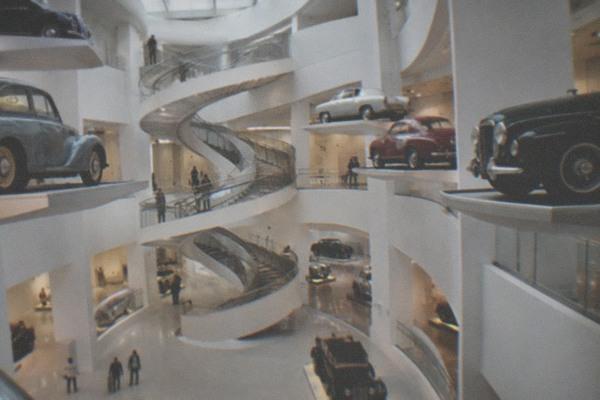
That purpose exists, though. The building itself is a landmark: a torus-shaped structure wrapped around an atrium, with exhibition floors that spiral upward so the architecture carries you through the story of the automobile. The collection spans Chinese-made vehicles from the early decades of the republic, foreign classics, racing machines, and concept cars, and the presentation is far more interactive than most museums in the city. Buttons get pressed. Engines get examined through glass. Children run.
The honest framing is this. Beijing has roughly 31 museums worth a foreign visitor's time, and most first-time itineraries can hold five or six of them. The Auto Museum earns a slot when your trip is long enough, when your group has a genuine interest in cars or engineering, or when you need a rainy-day or kid-focused activity that is not another hall of bronzes and calligraphy. It does not earn a slot ahead of the 3 day Beijing museum itinerary staples, and pretending otherwise would be dishonest.
One planning fact matters before anything else: the museum closes on Monday, a rule that took effect from 1 September 2025, with the standard exception for statutory holidays. A surprising number of Beijing trips lose a museum to a Monday plan built around a Monday closure. If your only free day is a Monday, cross this one off and choose from the museums open on Monday instead.
For visitors whose Beijing time is short, the trade-off is starker, and the imperial sites usually win. If that is your situation, these three reserved-entry options cover the essentials most travelers regret missing:
What Is Actually Inside The Museum?
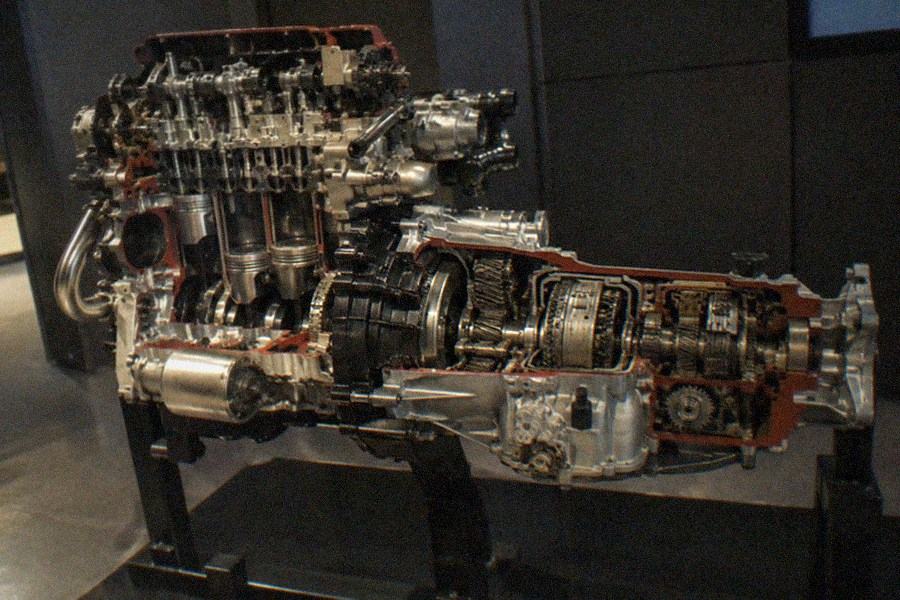
Five themed floors trace the automobile from invention to future mobility, mixing roughly 80 vehicles with driving simulators, engine cutaways, a children's discovery zone, and periodic temporary exhibitions. The permanent galleries are organized around progress, design, and Chinese automotive history, and most displays are built to be touched or operated rather than merely viewed. Expect two to three hours for a full circuit.
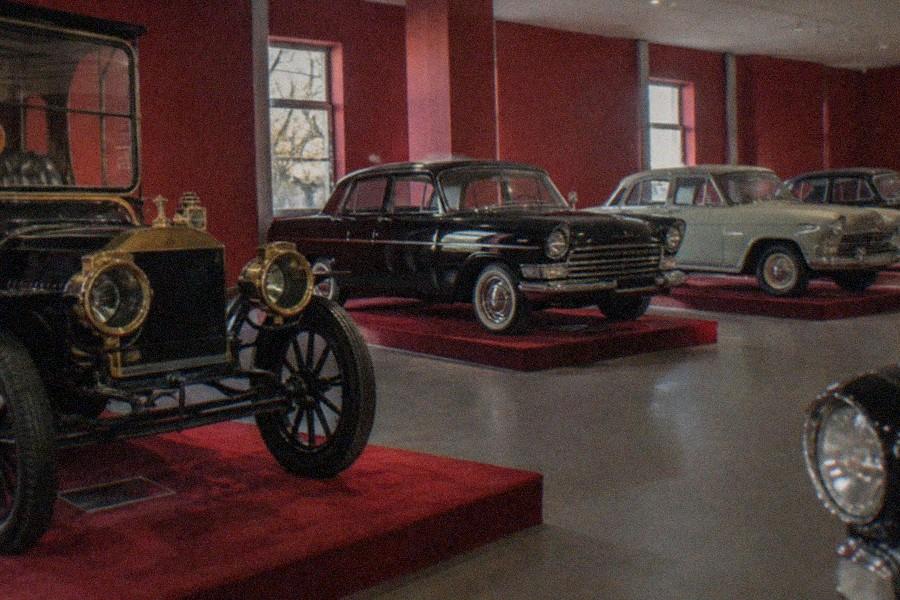
The museum's narrative arc works upward through the building. Lower floors cover the birth of the automobile: early Benz and Ford-era machines, replica pioneer vehicles, and walls of patent drawings and period photography. The middle floors are the crowd-pleasers, with a proper classic-car gallery and a section on Chinese motoring history that includes the Hongqi, the limousine brand that carried state leaders for decades. For many foreign visitors this Chinese section is the most novel part, because it documents an automotive culture that barely exists in Western museum collections.
The upper floors lean futuristic. Electric and autonomous vehicle exhibits, safety testing displays, and design-studio mockups fill the space, and several of the installations are genuinely interactive rather than decorative. A simulator zone lets visitors "drive" through historical Beijing streets, and there is a dedicated children's area with pedal cars and simple engineering activities aimed at the under-10 crowd.
The collection is not the largest in Asia and it is not a Porsche Museum rival. What it does well is breadth with accessibility: signage is bilingual throughout, the layout is intuitive, and the pacing suits families. A visitor with no interest in cars will still find the architecture and the Hongqi history engaging for an hour, which is more than can be said for some specialist museums in this city.
A reasonable comparison helps set expectations. Against other specialist museums in Beijing:
| Museum | District | Door price | Reservation |
|---|---|---|---|
| Beijing Auto Museum | Fengtai | CNY 30 | Required, 7 days ahead |
| China Railway Museum, Dongjiao Hall | Chaoyang | CNY 20 | Not published |
| China Science and Technology Museum | Chaoyang | CNY 30 | Required, 7 days ahead at 18:00 |
| Guanfu Museum | Chaoyang | CNY 100 | Walk-up |
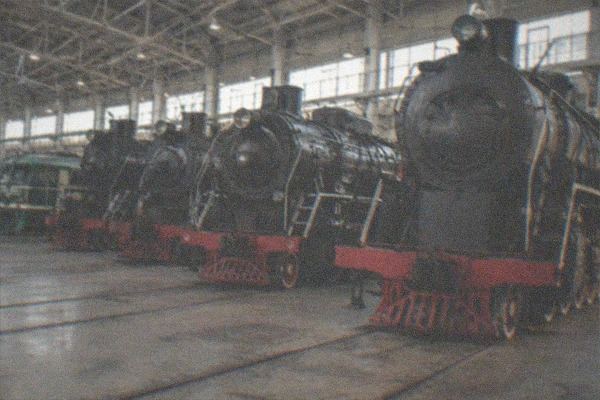
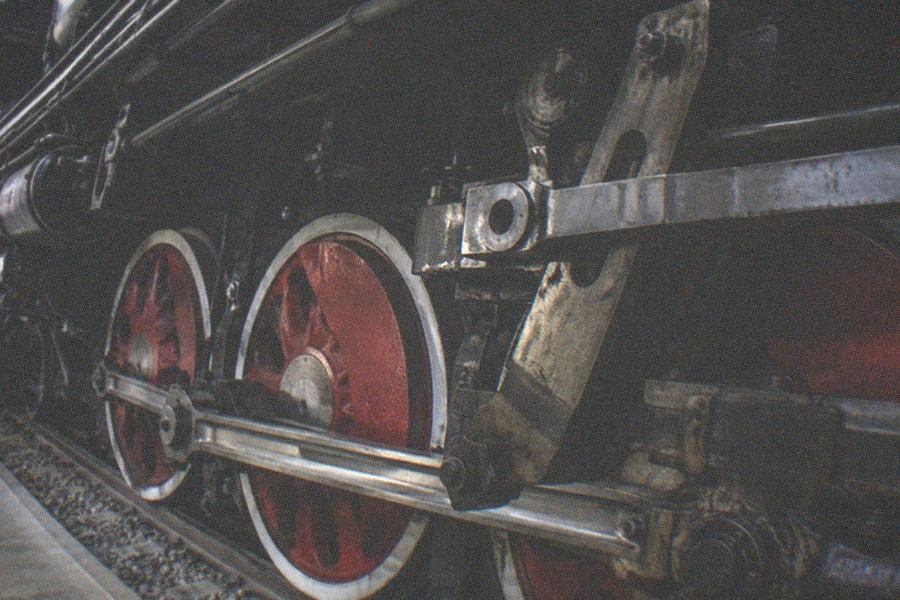
The Auto Museum and the Science and Technology Museum overlap more than their names suggest, and families with limited time should usually pick one or the other rather than both. The Auto Museum is narrower and deeper on its subject; the science museum spreads wider across physics, space, and computing. The Railway Museum, meanwhile, rewards a different temperament entirely: its Dongjiao Exhibition Hall houses full-size locomotives rather than interactive screens, and it appeals to visitors who want to stand next to machinery rather than push buttons beside it.
If your Beijing days are limited and you are weighing this trip against the imperial sites, the Summer Palace deserves the edge: it combines gardens, halls, and lake scenery in one visit, its reservation product runs from $14, and it rates 4.7 across 1144 reviews. Inner halls such as the Tower of Buddhist Incense close Monday, so the same day-of-week logic applies there too.
Practical planning follows directly from the reservation rule. Because the museum requires booking seven days ahead, it belongs in the "book early" tier of Beijing sightseeing alongside the Science and Technology Museum, not the walk-up tier like Guanfu. At CNY 30 per person it matches the science museum on price, so cost is not the deciding factor between the two; the choice comes down to whether your group prefers depth on one subject or breadth across many. Budget your two to three hours accordingly, and remember that the under-10 crowd has its own dedicated space with pedal cars, so families with young children may stretch toward the longer end of that range.
Ordering your visit by floor also helps. Start at the bottom with the Benz and Ford-era machines and the patent-drawing walls, save the classic-car gallery and Hongqi section for the middle, and finish upstairs among the electric, autonomous, and simulator exhibits while attention still holds. Since most displays are meant to be touched or operated, the bilingual signage matters more here than in a glass-case museum: it means children and non-Chinese-speaking visitors can use the interactives without a guide. If you are pairing this museum with the Summer Palace on the same trip, check the day-of-week logic for both before you lock in dates, since inner halls there close Monday and your reservation window is fixed seven days out.
How Do Tickets And Reservations Work?
Entry costs CNY 30 per adult at the door, but you cannot simply show up: an advance real-name reservation is required, and the booking window opens seven days ahead through the museum's official WeChat channels. There is no third-party ticket product for this museum, so the reservation has to be made through the museum's own channel, and a foreign passport is used for the real-name registration.
This is the part of the trip that defeats the most people, so it deserves plain language. The Beijing Auto Museum is what this site calls an official-channel-only venue: no affiliate booking product exists for it anywhere, and the museum's own reservation system is the only route in. The booking window opens seven days ahead of your visit date, which means you need to be paying attention a full week out, especially for weekend dates when families fill the interactive floors.
The reservation runs through the museum's WeChat mini-program or official account, with payment handled inside the app. Foreign visitors register with passport details for the real-name check, then present the matching passport at entry. If you have used the WeChat mini-program system elsewhere in Beijing, this one follows the same pattern; if you have not, the guide to booking Beijing museum tickets walks through the setup step by step, including linking an international card to WeChat Pay.
A few practical notes complete the picture. Discounted or free entry applies to eligible groups such as seniors and children, but those visitors still go through the reservation system with ID. The museum's closure policy and booking details are documented in local ticketing listings, including the Beijing Auto Museum reservation guide, which is worth a read before you commit a day.
By contrast, the sites that dominate most itineraries are easier to lock down with a booking service. The Forbidden City product, for instance, books the official ticket under your passport details from $7, and the Palace Museum rates 4.5 across 655 reviews. One thing deserves saying plainly here, because the museum itself says it: the Palace Museum has not authorized any third-party institutions or individuals to act as ticket agents, and it sells no same-day tickets at all. The third-party products this site links are reservation services that book the official ticket for you, refundable if the official quota sells out first. Both facts belong together, and the official position is spelled out on the Palace Museum's own visit page.
Is It Good For Kids And Families?
Yes, and this is the museum's strongest suit: the interactive floors, the children's driving zone, and the bilingual signage make it one of the most child-friendly museums in Beijing, arguably second only to the Science and Technology Museum. Families with children between roughly four and twelve will get the most from a visit, and two to three hours is a realistic visit length before young attention runs out.
Beijing is not always an easy city for children, and the museums that welcome them well are fewer than the total count of 31 suggests. The Auto Museum belongs firmly on the short list gathered in the Beijing museums with kids guide, alongside the Science and Technology Museum and the Natural History Museum. What sets it apart is the density of things a child is allowed to do: sit in, press, pedal, and simulate, rather than walk past behind a rope.
The children's zone is a genuine feature, not a corner with two blocks. Pedal cars, simple mechanism puzzles, and a traffic-safety course occupy the youngest visitors while older children gravitate toward the simulators and the engine cutaways. Parents report that the two-hour mark is where most kids peak, so plan the visit for a morning, eat nearby afterward, and do not attempt to stack a second museum onto the same day. More of these guides are collected on Beijing Museums.
Adults traveling without children should calibrate differently. If you care about automotive history, the Hongqi gallery and the pioneer-vehicle floor justify the trip on their own. If you do not, the museum reads as a well-made but niche attraction, and your time is probably better spent indoors elsewhere; the indoor Beijing cold and rainy days guide ranks the options that reward a weather-driven detour.
One budget note for repeat visitors and long stays: the Beijing Museum Pass, the 2026 edition of which covers about 140 venues at CNY 120 and admits two people across the year, includes many of the city's museums and can pay for itself quickly if you are visiting several. Details are in the Beijing Museum Pass guide.
How Do You Get There, And What Pairs With It?
The museum sits at 126 South 4th Ring Road West in Fengtai, reachable by metro with a walk at the end, and the realistic plan is to treat it as a half-day anchor with lunch in Fengtai rather than a stop on a central-Beijing circuit. Nothing major sits next door, so the journey cost is real: budget 45 minutes to an hour each way from the Dongcheng hotel belt.
The location is the museum's biggest weakness and no honest article should soften it. Fengtai is southwest of the center, and the South Fourth Ring Road is a highway-and-mall landscape, not a hutong stroll. The metro ride is simple enough once you are on the right line, but the total door-to-door time from, say, the Qianmen area is close to an hour each way, which is why this trip makes sense as a deliberate half-day rather than a spontaneous add-on.
The compensating virtue is that Fengtai is not empty. The district has solid, unglamorous food within a short walk of the museum, and the World Park and the Marco Polo Bridge area lie in the same broad quarter of the city, though each is its own excursion. If you are determined to squeeze value from the long ride, the Beijing day trip museums guide covers how to chain the outer-lying venues without burning a whole day on transit.
For most readers, though, the honest recommendation is simpler. Do the Auto Museum on your third or fourth day, once the imperial essentials are secured, and on a weekday if you can manage it, since weekends bring local families in numbers that fill the interactive stations. Reserve seven days out, go in the morning, and be back in the center by mid-afternoon.
The contrast with the central cluster explains why the reservation order matters. The Forbidden City's own booking window opens seven days ahead at 20:00 Beijing time, and popular dates sell out fast; the Summer Palace and the Lama Temple likewise require reserved entry, from $14 and $10 respectively. The official guidance for visitors, including the real-name rules, is published on the Beijing municipal government's museum pages. Secure those first, then fill the remaining slots with the Auto Museum and the other specialist venues.
So, Is It Worth It? The Verdict
Worth it for families, car enthusiasts, and anyone with four or more days in Beijing; skip it on a first trip of three days or fewer, when the imperial sites and the free national museums should absorb every spare hour. The collection is genuinely engaging, the CNY 30 door price is fair, and the reservation system is manageable if you book a week ahead. The distance to Fengtai is the only real cost.
The verdict deserves a direct summary rather than a shrug. Scored on collection, presentation, family appeal, and value, the Auto Museum performs well; scored on location and ease of access, it performs poorly; and the overall answer depends almost entirely on which of those two columns matters more to your trip. A family with a car-mad ten-year-old and five days in the city should go without hesitation. A couple with two days and a list topped by the Forbidden City should not feel a flicker of guilt about skipping it.
For the readers who will make the trip, the checklist is short. Reserve seven days ahead through the museum's official channel with passport details, avoid Monday, budget a half day including transit, and go in the morning. For the readers who will not, the alternatives below cover the reserved-entry sites that most visitors rank above it, and each can be locked in now against the seven-day booking windows that govern central Beijing.
Common Questions About The Beijing Auto Museum
Is The Beijing Auto Museum Worth The Trip To Fengtai?
Yes for families, car enthusiasts, and travelers with four or more days in Beijing; no for short first trips where the imperial sites should take priority. The collection is interactive and well presented, entry is CNY 30 at the door, and the main cost is the roughly hour-long journey each way from the center.
How much does the Beijing Auto Museum cost?
Adult entry is CNY 30 at the door. Eligible groups such as seniors and children receive discounted or free entry, but they still go through the reservation system with ID.
Do you need a reservation for the Beijing Auto Museum?
Yes. An advance real-name reservation is required, and the booking window opens seven days ahead of your visit through the museum's official WeChat channel. There is no third-party ticket product for this museum, so the museum's own channel is the only route.
What day is the Beijing Auto Museum closed?
Monday. The closure rule took effect from 1 September 2025, with the standard exception for statutory holidays. Plan around it, because a Monday visit is the most common way to lose this museum from an itinerary.
How long should you spend at the Beijing Auto Museum?
Two to three hours covers the full circuit of the themed floors, the interactive zones, and the children's area. Families with young children usually peak around the two-hour mark, so a morning visit with lunch afterward works best.
Is the Beijing Auto Museum good for children?
Yes, it is one of the most child-friendly museums in Beijing. Pedal cars, driving simulators, engine cutaways, and bilingual signage give children plenty to do rather than just look at, and the dedicated children's zone suits roughly the four-to-twelve age range.