Is Prince Gong's Mansion Worth Visiting?
A straight answer on whether Prince Gong's Mansion is worth your Beijing time: what the CNY 40 ticket covers, the 10-day booking window, and how it compares with the big imperial sites.
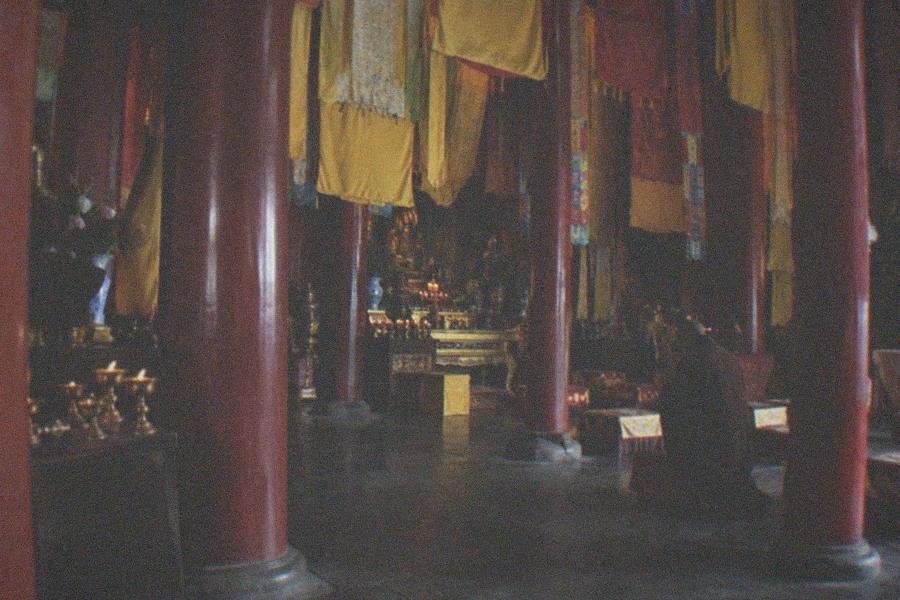
Beijing does not lack for imperial showpieces, and most visitors arrive with a shortlist that already runs long: the Forbidden City, the Temple of Heaven, the Summer Palace, the Great Wall. Into that squeeze drops Prince Gong's Mansion, a Qing dynasty princely residence tucked behind Shichahai at 17 West Qianhai Street in Xicheng District. It is the best-preserved princely mansion in the city, it sits a short walk from the lakes and hutongs that most people visit anyway, and it carries one of the longest advance-booking windows of any mid-sized site in Beijing: slots open 10 days ahead at 20:00 Beijing time. That combination of easy geography and demanding logistics is exactly why the question of whether it is worth visiting has no obvious answer. This page works through what the ticket covers, what you actually see, how the mansion compares with the headline imperial sites, and who should skip it.
Is Prince Gong's Mansion Worth Visiting?
Yes, for most visitors it earns a half-morning, on three grounds: it is the best-preserved Qing princely residence in Beijing, its garden is a genuine masterpiece of courtyard landscaping rather than an afterthought, and it sits inside the Shichahai district you were probably already walking. The CNY 40 door ticket is modest by Beijing standards, and the 10-day booking window rewards planning.
The case for the mansion rests on rarity. Beijing's princely residences were numerous in the Qing era, but nearly all were subdivided, repurposed, or demolished over the twentieth century. Prince Gong's Mansion survived, and survived intact: halls, courtyards, a working theatre, and a two-hectare garden that scholars treat as one of the finest surviving examples of northern Chinese garden design. The mansion's fame owes much to a novel, too. The Dream of the Red Chamber, China's best-loved classical novel, is widely associated with the site, and the mansion leans into that connection with exhibits on the book's world. For a visitor with even a passing interest in the novel, that layer turns a pleasant architectural stroll into something with a story attached.
The case against is mostly logistical. The reservation window opens 10 days ahead, longer than the Forbidden City's 7, and slots for weekends and holidays can go quickly. The interior is not the Forbidden City's relentless procession of grand halls; some rooms are furnished exhibits, others are gallery spaces, and a visitor expecting wall-to-wall splendour can come away underwhelmed. The honest framing is this: the mansion rewards visitors who like detail, garden design, and literary history, and it under-delivers for those chasing scale.
There is a third consideration that rarely appears in guidebook summaries: the mansion explains a social layer the big imperial sites cannot. The Forbidden City shows the throne, and the Summer Palace shows the court at leisure, but neither shows how the aristocracy one rank down actually organized a household, entertained guests, staged opera, and raised children inside walled compounds. That domestic scale is the mansion's real subject, and it is the reason repeat Beijing visitors often rank it above grander sites they have already ticked off.
If the mansion fits your dates, the practical first step is securing entry. The official channel opens bookings 10 days ahead at 20:00, and a reservation service can handle that booking under your passport details if you would rather not manage the Chinese-language mini-program yourself.
How Much Does Entry Cost And How Do You Book It?
The door price is CNY 40 per adult, and entry requires an advance real-name reservation that opens 10 days ahead at 20:00 Beijing time, the longest window among Beijing's major imperial sites. Foreign visitors can book online with a passport and exchange the booking for an entry pass at the service desk on arrival. The mansion closes on Mondays, except public holidays.
Those numbers deserve unpacking, because the booking window is the part that catches people out. Ten days is not a suggestion; the mansion runs timed real-name entry, and popular weekend slots in peak season can be claimed quickly once the window opens in the evening. A visitor who decides on the mansion five days out may find the dates they want already gone, which is why the decision about visiting is effectively made more than a week before the visit itself. The official reservation runs through the mansion's own website and WeChat mini-program, and the process accepts a foreign passport for the real-name registration. On the day, you present the passport and exchange the booking for an entry pass at the service desk.
The door price of CNY 40 buys the standard circuit: the residential halls along the central axis, the side courtyards, the garden, and the exhibits. Some special exhibitions and performances inside the mansion's theatre carry separate charges, and those are sold on site. There is no combined ticket that folds the mansion into another site, so budget it as a standalone entry.
It helps to keep the two price systems straight. The CNY 40 figure is what you pay at the venue, the official door price for the standard circuit. The $11 figure attached to the third-party product is what that listing charges for a reservation service, a different transaction entirely; the two are never converted into each other, and neither is a discount on the other. If you book through the official channel and pay at the door, the service fee simply does not apply to you.
A reservation service can remove the mini-program friction: you supply passport details, the provider books the official ticket when the window opens, and the order is refunded if the official quota sells out first. The mansion's product starts from $11, and the operator's live listing carries the current terms.
Should you book the mansion yourself instead? If you read Chinese or have a local contact, the official channel is free of a service fee and takes only a few minutes once the window opens. If you do not, the service fee buys certainty that the 20:00 release is claimed on time, which matters most on weekends and in the October peak. The mansion's own reservation page publishes the authoritative rules, and it is the right place to confirm anything unusual before you commit.
What Can You Actually See Inside The Mansion?
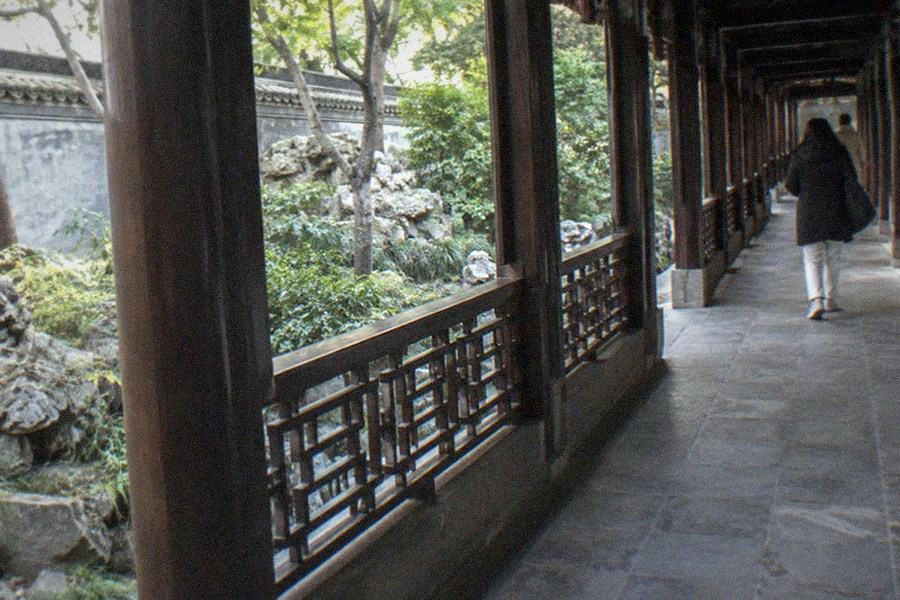
The visit splits into two halves: the residential complex, a sequence of halls and courtyards along a strict central axis that shows how a Qing prince actually lived, and the garden behind it, two hectares of rockeries, pavilions, a lotus pond, and the celebrated carved screen whose character means fortune. Expect furnished rooms, exhibition galleries, a restored theatre, and a garden that many visitors rate above the buildings.
The residential half follows the logic of Qing hierarchy. The central axis carries the grandest halls, used for ceremony and reception, while side courtyards held family quarters and staff spaces. Rooms are presented as exhibits: period furniture, screens, and displays on the mansion's two famous residents. Prince Gong himself, Yixin, was one of the most politically significant figures of the late Qing, and the mansion's earlier life under the notoriously wealthy official Heshen supplies the other half of the story. Heshen's rise and fall under the Qianlong and Jiaqing emperors is the mansion's founding drama, and the exhibits tell it plainly.
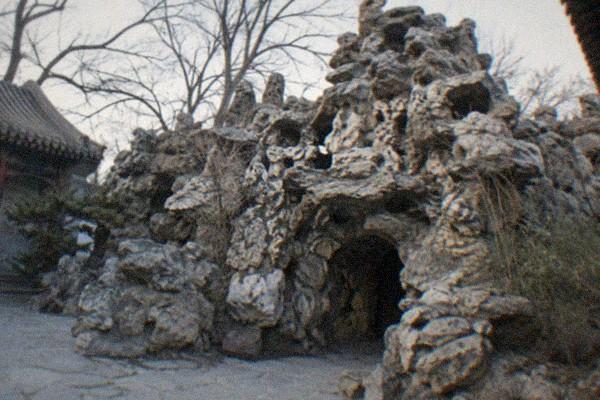
The garden, called Jingle Garden, is the part that lingers. It compresses hills, water, and pavilions into a small footprint with the theatricality northern gardens are known for, and the carved brick screen bearing the character fu, meaning fortune, is its signature piece. Visitors rub the route into a loop that takes in the pond, the hillside pavilion, and the theatre courtyard where opera performances were staged for the household. The Dream of the Red Chamber association surfaces here too, with displays exploring the theory that the novel's fictional mansion drew on this one.
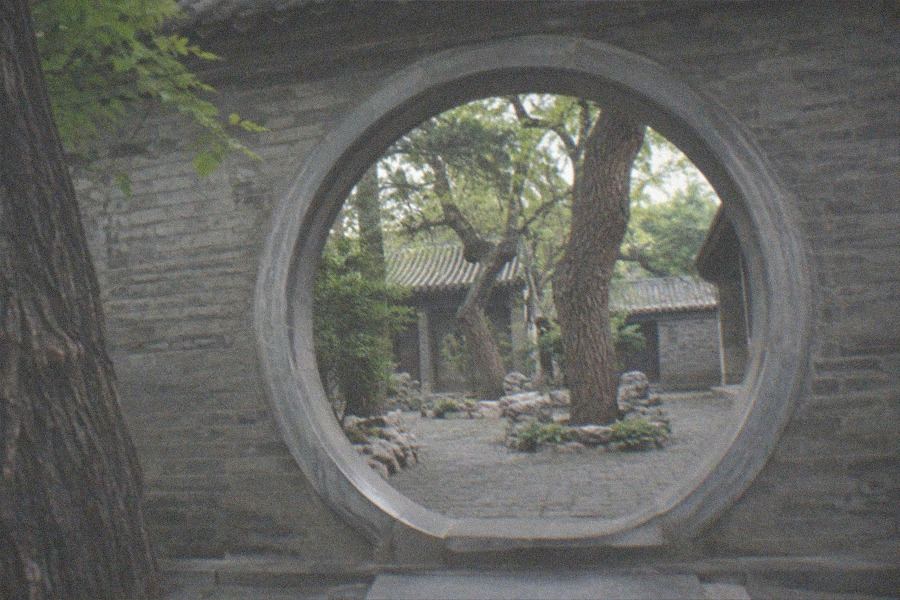
Photography rewards the early arrival. The garden's rockery frames the pond from several deliberate angles, a classic device of northern garden design, and the morning light off the water is the shot most visitors want. The theatre courtyard, with its stage and painted ceilings, is the other favourite frame, and it is usually quietest in the first hour after opening. By late morning, tour groups thicken through the central axis halls, and the narrow courtyard doorways become bottlenecks.
For planning purposes, treat the mansion as a half-day site done properly, or a fast circuit if your schedule is tight. The table below sets out what each part of the visit offers and who it suits best.
| Part of the mansion | What it is | Time to allow | Best for |
|---|---|---|---|
| Central axis halls | Ceremonial halls and furnished state rooms | 30-40 minutes | Architecture and Qing court hierarchy |
| Side courtyards | Family quarters and staff spaces, smaller exhibits | 20-30 minutes | Domestic detail, quieter rooms |
| Jingle Garden | Two-hectare classical garden with pond, rockery, pavilions | 40-60 minutes | Garden design, photography, the fu screen |
| Theatre courtyard | Restored opera stage, occasional paid performances | 10-15 minutes | Opera and performance history |
| Exhibition rooms | Displays on Heshen, Prince Gong, and the novel's connection | 20-30 minutes | History readers, Dream of the Red Chamber fans |
How Does It Compare With The Forbidden City And The Summer Palace?
Against the Forbidden City, the mansion trades scale for intimacy: the Forbidden City is a 4.5-rated imperial colossus with a 7-day booking window, while the mansion is a preserved household you can see in a morning. Against the Summer Palace, a 4.7-rated park-and-lake landscape, the mansion offers garden craft without the distance. All three demand reservations, and all three close on Mondays in their main halls.
The comparison matters because most itineraries cannot hold all three comfortably alongside everything else Beijing demands. The Forbidden City is non-negotiable for nearly every visitor, and its booking window opens 7 days ahead at 20:00 with a door price of CNY 60 in peak season. The Summer Palace, out in Haidian, is a half-day commitment on its own with a CNY 30 door ticket and a 4.7 rating across more than a thousand reviews. The mansion slots into the gap: it is central, it is walkable from the Shichahai lakes and the hutong lanes around them, and it does not compete for the same half-day block as either giant. The wider set of guides lives on Beijing Museums.
A useful way to frame the choice is what each site answers. The Forbidden City answers the question of how the emperor ruled. The Summer Palace answers how the court relaxed. The mansion answers how the aristocracy lived, one tier down from the throne, and that is a perspective the big two cannot give you. For visitors with three or more days in Beijing, the natural pattern is the Forbidden City on one day, the Summer Palace paired with Haidian's other sights on another, and the mansion folded into a Shichahai morning alongside the lakes and Drum Tower area.
There is also a fatigue argument for spreading the three across separate days. The Forbidden City and the mansion share a visual vocabulary, courtyards, red walls, grey tile, and imperial ornament, and seeing them back to back flattens both. The Summer Palace breaks the pattern with open water and long views, which is partly why it rates so highly with visitors who have already toured several walled compounds. Sequencing the mansion on a different day from the Forbidden City lets each register on its own terms.
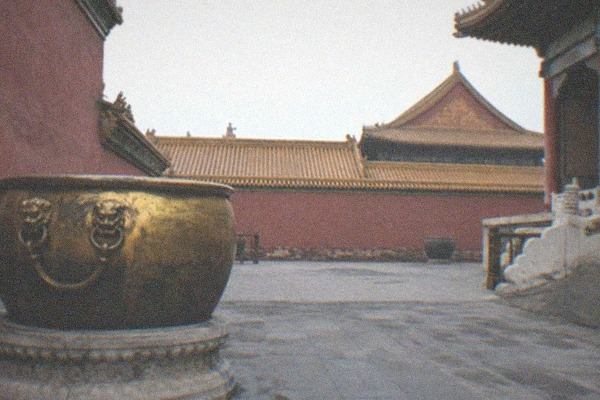
The Summer Palace's own reservation service, like the mansion's, books the official ticket under your passport details, from $14, if you are building the Haidian day.
The table below puts the three sites side by side on the numbers that shape an itinerary.
| Site | Door price | Booking window | Closed day | Time needed | What it answers |
|---|---|---|---|---|---|
| Prince Gong's Mansion | CNY 40 | 10 days ahead at 20:00 | Monday, except public holidays | Half a morning | How the Qing aristocracy lived |
| Forbidden City | CNY 60 peak season | 7 days ahead at 20:00 | Monday, except statutory holidays | Most of a day | How the emperor ruled |
| Summer Palace | CNY 30 | Required, window not published | Inner halls close Monday, except public holidays | Half a day | How the court spent leisure time |
When Should You Visit, And What Mistakes Should You Avoid?
Visit on a weekday morning if you can, book exactly 10 days out at 20:00 Beijing time, and never plan the mansion for a Monday, when it is closed except on public holidays. The two expensive mistakes are arriving without a reservation, which the real-name system does not forgive, and treating the mansion as a stop between the Forbidden City and the Summer Palace on a single overloaded day.
The weekday preference is not superstition. The mansion's timed entry spreads visitors, but the garden corridors and the fu screen draw crowds that thicken sharply after late morning and on weekends. An opening-hour arrival gives you the garden in its best light and the rooms before tour groups fill them. Season matters too: the lotus pond is at its best in summer, and the garden's pines and rockeries photograph well under the low angles of autumn and winter light, though winter means shorter days and cold stone courtyards.
The reservation mistake deserves emphasis because the mansion's window is longer than almost anything else on a Beijing list. Ten days out, the evening release at 20:00 is the moment slots appear, and a booking made then is secure. Booked late, the choice narrows to whatever remains, often midday slots on less convenient days. The real-name system means the passport used to book is the passport checked at the desk, so a booking made under one traveller's details cannot be transferred to another.
The itinerary mistake is subtler. The mansion's location tempts visitors to bolt it onto an already full imperial day, and the result is a rushed garden and a missed lunch. The better pattern is a dedicated Shichahai morning: the mansion first, then the lakes, then the hutongs, with the Drum Tower area a short walk east. Visitors planning a Monday around any Beijing museum should check the closed-day rules carefully, since Monday closures are near-universal across the city's museums, and the guide to Beijing museums open on Monday covers the exceptions. For a fuller route through the city's imperial sites, the 3-day Beijing museum itinerary places the mansion in context.
Who Should Skip It?
Skip the mansion if you have only one or two days in Beijing, if imperial architecture already feels repetitive by your third courtyard, or if you cannot secure a slot within the 10-day window. Visitors who loved the Summer Palace's gardens will like the mansion's garden; visitors who found the Forbidden City's halls monotonous will find a smaller version of the same rhythm.
The honest negative case is real. The mansion is a household, not a palace, and a visitor who has walked the Forbidden City's vast grounds that morning may hit courtyard fatigue within the hour. The exhibits are labelled in Chinese with some English support, and a visitor who wants deep English-language interpretation will get more from a guided product than from the rooms alone. The literary connection to the Dream of the Red Chamber is a hook for some and invisible to others; if the novel means nothing to you, that layer of the visit simply will not activate.
Timing failures kill more visits than taste does. A traveller arriving in Beijing with fewer than 10 days' notice may find the window already closed for their dates, and no amount of enthusiasm reopens it. In that situation the alternatives are honest ones: the city's walk-up museums, including the free Capital Museum and the Guanfu Museum, take visitors without reservations, and the guide to free museums in Beijing lists which free venues genuinely admit walk-ins rather than demanding a booking anyway.
For everyone else, the verdict holds. The mansion is worth visiting when the dates work, the booking is made on time, and the expectation is a preserved household and a great garden rather than a second palace. It is the site in Beijing that best explains the layer of society just beneath the throne, and it sits in the one district where a museum visit, a lake walk, and a hutong lunch fit inside a single morning.
Common Questions About Prince Gong's Mansion
Is Prince Gong's Mansion Worth Visiting?
For most visitors, yes. It is the best-preserved Qing princely residence in Beijing, its garden is a first-rate example of northern Chinese garden design, and it sits inside the Shichahai district most visitors walk anyway. It suits visitors who want intimacy and history over imperial scale, and it disappoints those expecting a second Forbidden City.
How much is the ticket at Prince Gong's Mansion?
The adult door price is CNY 40, paid at the venue. A third-party reservation service that books the official ticket under your passport details starts from $11, and that is a separate transaction from the door price, not a conversion of it.
How far in advance do I need to book?
The official booking window opens 10 days ahead at 20:00 Beijing time, one of the longest windows among Beijing's imperial sites. Weekend and holiday slots can go quickly once the window opens, so book on the night of the release if your dates are fixed.
Is Prince Gong's Mansion closed on Mondays?
Yes, the mansion closes on Mondays except public holidays. This matches the near-universal Monday closure pattern across Beijing's national and municipal museums, so never build a Monday around it.
Can a foreign visitor book with a passport?
Yes. Foreign visitors book online using their passport for the real-name registration, then exchange the booking for an entry pass at the service desk on arrival. The passport used to book is the one checked at entry, so it cannot be swapped between travellers.
How long does a visit take?
Plan a half-morning: a fast circuit if you are pressed, or two to three hours if you read the exhibits on Heshen, Prince Gong, and the Dream of the Red Chamber connection and linger in the garden. Pair it with the Shichahai lakes and hutongs rather than with another major site.