Guanfu Museum Tickets
Tickets sold at the door only, nothing to book ahead.
Visitor info →Opens the museum's own website. Tickets are sold at the door only.
- Area
- Chaoyang
- Theme
- Art & contemporary
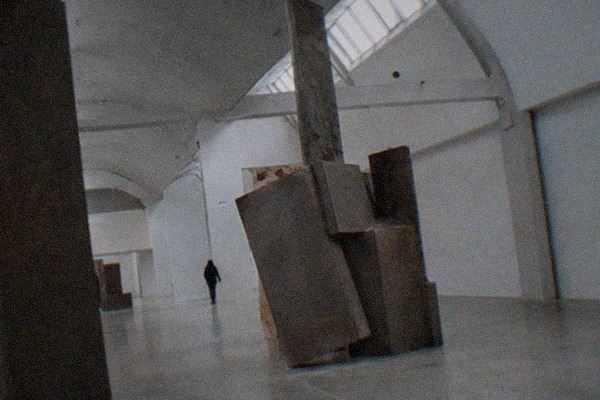
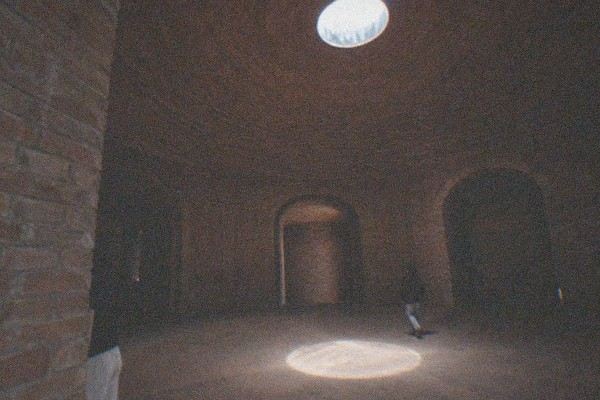
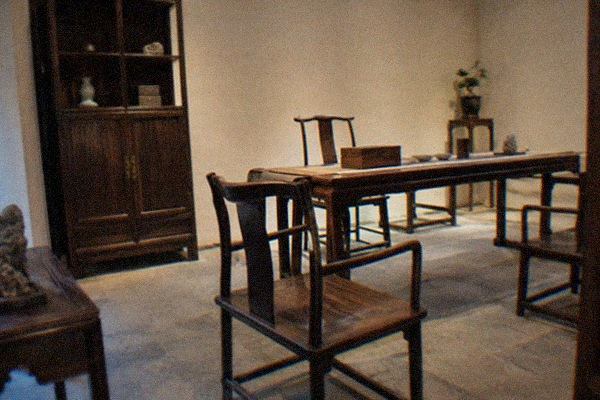
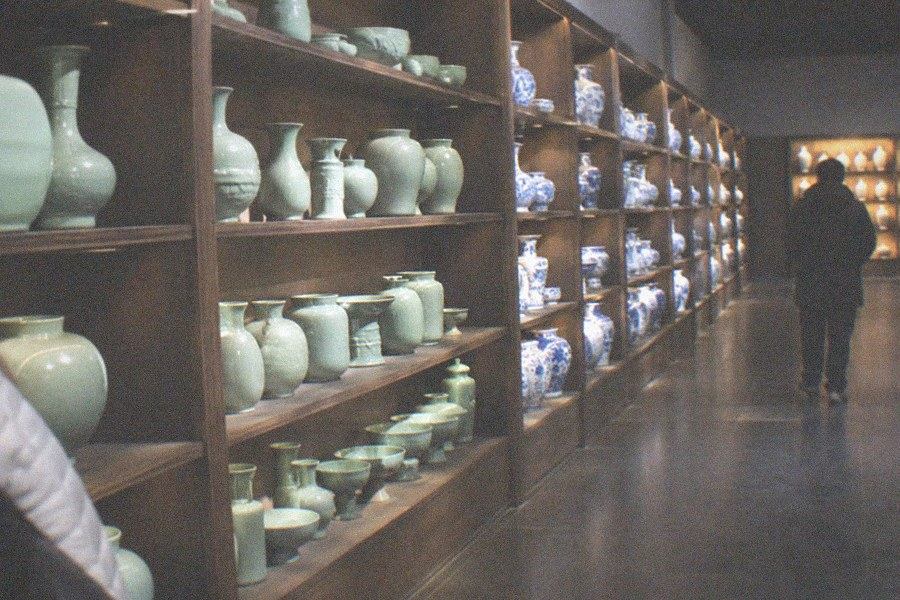
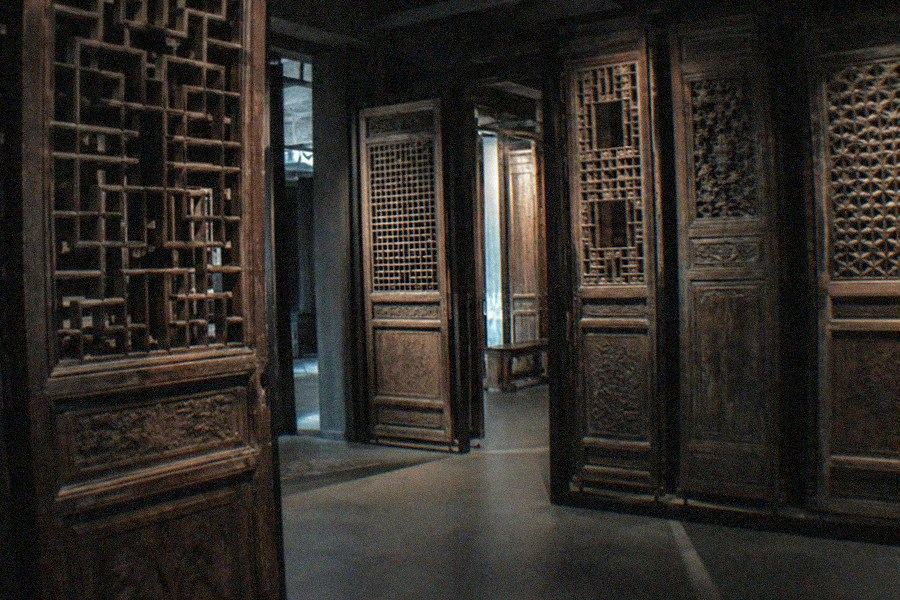
Behind an unassuming gate at 18 Jinnan Road in Zhangwanfen, Dashanzi, the Guanfu Museum holds one of the most personal collections of Chinese antiquities in Beijing. Founded by the collector and television personality Ma Weidu, this private museum is best known for its ceramics and its galleries of classical Chinese furniture, where entire rooms of Ming and Qing pieces are displayed as they would have been lived in, not behind glass. The name itself, guanfu, comes from an old phrase meaning to appreciate and contemplate objects, and the museum takes that idea seriously: the furniture hall in particular rewards slow looking. Unlike most Beijing museums, it charges admission, takes walk-ups, and sits in the same Chaoyang district as the 798 Art Zone, making it an easy pairing with a contemporary art afternoon.
How Much Do Guanfu Museum Tickets Cost?
The Guanfu Museum charges CNY 100 for a full-price adult ticket at the door, and no advance reservation is required for entry at that price. Discounted tickets are the exception: those are the ones that need to be purchased ahead of time. This makes Guanfu one of the simpler ticketing experiences among Beijing's museums, closer to a walk-up attraction than to the reservation-driven system most of the city's large institutions use.
That CNY 100 figure is the museum's own full-price admission, paid at the door on the day of your visit. It is worth being clear about what it is not. A guided multi-stop tour that visits the Guanfu Museum and also the 798 Art Zone is sold by third parties, and its price belongs to that tour transaction, not to the museum's admission. The tour price is not the Guanfu Museum ticket price, which is an order of magnitude lower at the door, and the two should never be confused when budgeting a trip.
Discounts exist for eligible groups, and reports note discounted rates as low as half price for qualifying visitors. The mechanics matter: the full-price ticket can simply be bought on arrival, but discounted tickets are the one category that requires advance purchase. If you are travelling with seniors, students or others who qualify, arrange the discounted ticket before the visit rather than assuming the door price can be adjusted on the spot.
The museum's own website is the authoritative channel for current prices and any changes to the discount policy: http://www.guanfumuseum.org.cn/. The site is primarily in Chinese, so a translation tool is useful if you need to read the fine print on eligibility.
| Ticket Type | Price | How To Buy |
|---|---|---|
| Full-price adult admission | CNY 100 | At the door on the day; no reservation needed |
| Discounted tickets (eligible groups) | Discounted rates apply; advance purchase required | Buy in advance through the museum's official channel |
For context, Guanfu sits at the higher end of Beijing's small-museum admissions. The Poly Art Museum charges CNY 20, the Beijing Ancient Architecture Museum CNY 15, and the Red Brick Art Museum CNY 120. What the CNY 100 buys at Guanfu is a private collection of a kind the state museums do not offer, assembled over decades by one collector rather than inherited from a palace or a ministry.
Do You Need A Reservation To Visit?
No. A reservation is not required for standard entry to the Guanfu Museum. Full-price visitors can walk up and buy a ticket at the door on the day. The only advance-purchase requirement applies to discounted tickets, which must be bought ahead. There is no published advance-booking window for standard entry because standard entry does not use one.
This places Guanfu in a small minority in Beijing. Of the major venues this site covers, only a handful take genuine walk-ups; the rest require an advance real-name reservation, and free admission almost never means walk-in entry. The National Museum of China is free but requires a timed real-name reservation made seven days ahead at 17:00. The Palace Museum (Forbidden City) sells no same-day tickets at all, opens its window seven days ahead at 20:00, and caps daily entry at a quota that sells out on popular dates. The China Science and Technology Museum opens reservations seven days ahead at 18:00. Against that backdrop, Guanfu's walk-up policy is genuinely unusual and worth planning around.
Because entry is walk-up, there is no release time to watch, no daily quota to race, and no timed slot. The practical consequences are real. You cannot lose a day of your trip to a sold-out booking window. You can decide to visit on the spur of the moment, in the way you cannot with the Palace Museum. The trade-off is the CNY 100 door price: the museums that make you reserve in advance are, in many cases, the free ones, and the ones that let you walk in are the ones that charge.
One point the museum does not publish: whether a foreign passport works in whatever channel handles advance discounted-ticket purchases. Rather than guess, the safe approach for a foreign visitor is simply to arrive at the door and pay the full CNY 100 price, which requires no registration at all. If you do need a discounted ticket, the museum's own site at http://www.guanfumuseum.org.cn/ is the place to check the current purchase channel.
When Is The Guanfu Museum Open And Closed?
The Guanfu Museum closes over Chinese New Year, from New Year's Eve through the third day of the lunar new year period. On Mondays it runs shorter hours rather than closing entirely, which distinguishes it from most Beijing museums, where Monday is the standard full closure day. Exact daily opening and closing times are not published in the verified record for this page.
The Chinese New Year closure is the one date range that can genuinely wreck a plan. If your trip falls across the lunar new year, the museum is shut from New Year's Eve to the third day, and you should build your itinerary around that. This is a harder constraint than it sounds for a private museum: many smaller Beijing institutions trim their schedules around the holiday, and Guanfu's closure is explicit.
The Monday arrangement is the opposite of what most visitors expect. At the Palace Museum, the National Museum of China, the National Art Museum of China and many others, Monday means closed, except on statutory holidays. At Guanfu, Monday means shorter hours. That makes Monday a workable day for this museum when it is a dead day for almost everything else in the city, and a sensible itinerary can put Guanfu on Monday morning and keep the Monday-closed giants for another day. The National Museum of China, for instance, cannot fill your Monday at all.
What the record does not establish is the precise opening and closing time on any day of the week, or a last-entry cutoff. Those figures are not published in the verified material, and this page will not invent them. If your visit is tightly scheduled, the museum's own site at http://www.guanfumuseum.org.cn/ carries the current hours.
What Will You Actually See Inside?
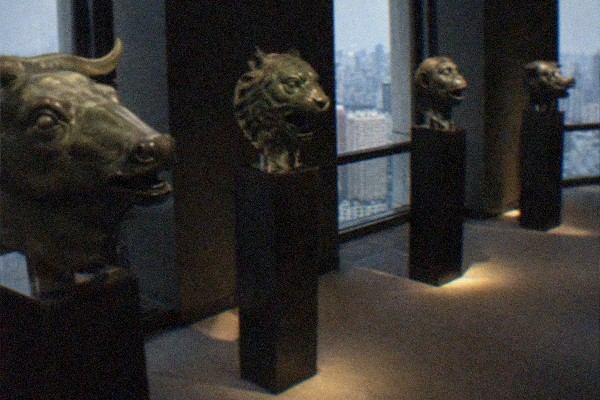
The Guanfu Museum is a private museum of Chinese antiquities, founded by the collector Ma Weidu, with ceramics and classical Chinese furniture as its strongest suits. It is an art museum in the sense that its objects are displayed for craft and beauty rather than for archaeological sequence, and the furniture galleries are the reason many visitors make the trip.
Ma Weidu is one of the best-known private collectors in China, familiar to a generation of television audiences, and the museum reflects a single collector's eye rather than an institutional acquisitions policy. The ceramics collection runs through the great historical kilns and glazes, giving a compact overview of how Chinese porcelain developed as a craft. The furniture galleries are the signature: Ming and Qing hardwood pieces, arranged as furnished rooms, so that a visitor can read how a chair, a table and a screen worked together in a real interior rather than seeing each piece isolated in a vitrine.
This is a museum built for close looking. It is not large in the way the state museums are large, and it does not try to be. A visit moves at the pace of the objects: a ceramic glaze under light, a joinery detail on a cabinet, the proportions of a Ming chair. Visitors who enjoy the Poly Art Museum's bronzes and Buddhist carvings tend to enjoy Guanfu for the same reason, which is that a focused private collection can show you things a survey museum spreads across a dozen halls.
The museum's location shapes the visit as much as its contents. It stands in Zhangwanfen, Dashanzi, in Chaoyang District, at 18 Jinnan Road, the same broad corner of the city as the 798 Art Zone. The natural pairing is an antiquities morning at Guanfu and a contemporary art afternoon in 798, a contrast that says a great deal about how collecting in Beijing has changed across a single generation.
How Do You Get To The Museum?
The Guanfu Museum is at 18 Jinnan Road, Zhangwanfen, Dashanzi, Chaoyang District, Beijing. It sits in the same Dashanzi area as the 798 Art Zone, in the city's northeast, and most visitors reach the district by subway and finish the journey by taxi, rideshare or a short walk. No specific nearest subway station is published in the verified record for this museum.
Dashanzi is well served by the Beijing Subway network, which is the backbone of getting around the city for visitors and locals alike; the official network site at https://www.bjsubway.com/ has the current map and line information. The practical approach is to ride toward the Dashanzi or 798 area and then complete the trip by taxi or rideshare to the museum's gate at 18 Jinnan Road. Zhangwanfen is a residential lane off the main roads, and the last few hundred metres are easier in a car than on foot with the address in Chinese characters to show a driver.
Two practical notes are worth carrying. First, the museum is not a day-trip destination in the sense that the Ming Tombs or Zhoukoudian are; it is inside the city, in Chaoyang, and slots naturally into an urban day alongside 798 rather than demanding a dedicated expedition. Second, because entry is walk-up with no timed slot, you have full flexibility on arrival time, so transport delays cost you nothing but time. That is a real luxury in a city where the major museums bind you to a booked entry window.
If you are combining museums, note that the reservation-driven ones need to be booked days ahead regardless of where they sit geographically. The China Science and Technology Museum, also in Chaoyang, opens its booking window seven days ahead at 18:00, so a Chaoyang museum day mixing the two needs the science museum reserved while Guanfu simply waits for your arrival.
How Should You Plan Your Visit?
Plan around three facts: entry is CNY 100 at the door with no reservation, the museum closes from Chinese New Year's Eve to the third day of the holiday, and Mondays run shorter hours rather than closing. Everything else about a Guanfu visit is flexible, which is precisely what distinguishes it from Beijing's reservation-bound museums.
Because there is no booking window, no release time and no quota, the planning burden is close to zero. You choose a day that is not inside the Chinese New Year closure, you arrive during opening hours, and you pay at the door. If anyone in your party qualifies for a discounted ticket, that is the single item to sort out in advance, since discounted tickets require advance purchase.
| Fact | Detail |
|---|---|
| Area | Chaoyang District (Dashanzi, Zhangwanfen) |
| Address | 18 Jinnan Road, Zhangwanfen, Dashanzi, Chaoyang District, Beijing |
| Reservation required? | No; walk-up entry at the full door price. Discounted tickets require advance purchase |
| How far ahead does the window open? | There is no advance window for standard entry; only discounted tickets are bought ahead |
| Closed day | Closed over Chinese New Year (New Year's Eve to the third day); shorter Monday hours |
For the wider itinerary, treat Guanfu as the flexible piece. The museums that demand advance work should be booked first: the Palace Museum's window opens seven days ahead at 20:00 and popular dates sell out, the National Museum of China's opens seven days ahead at 17:00, and the Palace Museum sells no same-day tickets at all. Once those are locked in, Guanfu fills whatever gap remains, including a Monday, when most of the others are dark.
A sensible day pairs Guanfu with the 798 Art Zone, using the morning for ceramics and furniture and the afternoon for contemporary galleries. Take the address in Chinese for the final leg by taxi, carry cash or a working mobile payment setup for the CNY 100 door ticket, and check the museum's own site at http://www.guanfumuseum.org.cn/ if your trip touches the lunar new year period or a Monday, since those are the two days whose hours carry special conditions.
Questions People Ask
Do I need to book Guanfu Museum tickets in advance?
No. Standard full-price entry to the Guanfu Museum is walk-up, with tickets bought at the door on the day of your visit. The only exception is discounted tickets, which require advance purchase. This is unusual for Beijing, where most major museums require an advance real-name reservation.
How much does it cost to get in?
The full-price adult ticket is CNY 100 at the door. Discounted tickets exist for eligible groups and must be purchased in advance. Be careful not to confuse the museum's admission price with third-party guided tours that visit Guanfu alongside other stops; those are a different transaction entirely.
When is the Guanfu Museum closed?
The museum closes over Chinese New Year, from New Year's Eve through the third day of the holiday period. It does not follow the standard Beijing Monday closure; instead it runs shorter hours on Mondays. Exact daily opening and closing times are not published in the verified record.
Is the Guanfu Museum open on Mondays?
Yes, but with shorter hours than the rest of the week. This makes Monday a workable day to visit Guanfu even though most Beijing museums, including the Palace Museum and the National Museum of China, are fully closed on Mondays except statutory holidays.
Can a foreign visitor just turn up?
Yes. Because full-price entry requires no reservation, a foreign visitor can arrive at the door and pay CNY 100. Whether a foreign passport works in the advance channel for discounted tickets is not published, so the straightforward route for foreign visitors is the walk-up full-price ticket.
Where is the museum located?
The Guanfu Museum is at 18 Jinnan Road, Zhangwanfen, Dashanzi, Chaoyang District, Beijing, in the same northeast corner of the city as the 798 Art Zone. Most visitors ride the subway toward the Dashanzi area and finish by taxi or rideshare to the gate.
What is the Guanfu Museum known for?
It is a private museum of Chinese antiquities founded by the collector Ma Weidu. Its strongest collections are ceramics and classical Chinese furniture, with Ming and Qing pieces displayed as furnished rooms rather than isolated objects, which makes it a museum built for close, slow looking.
Can I combine the Guanfu Museum with other museums on the same day?
Yes, and the natural pairing is the 798 Art Zone nearby. If you want to add reservation-driven museums such as the China Science and Technology Museum or the Palace Museum to the same trip, book those first, since their windows open days ahead, while Guanfu simply takes walk-ups whenever you arrive.
Other Art Museums Worth A Look