Confucius Temple and Imperial College Museum
Dongcheng
from $12 per person, live price on the listing Check availability →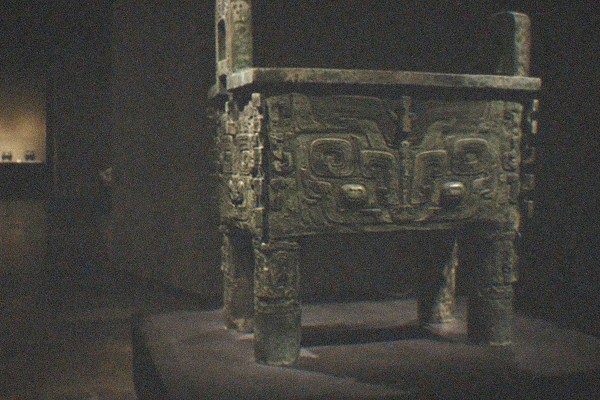
Free entry, no ticket needed.
Plan your visit →Opens the museum's own visitor page. There is nothing to book: the permanent collection is free.
The National Museum of China sits on the east side of Tiananmen Square, a colossal column-fronted building holding one of the largest museum collections in the world. Inside, the Ancient China galleries walk you from Peking Man-era stone tools through Shang bronzes, Tang figurines and Ming ceramics, with objects that anchor the entire sweep of Chinese material history. Admission is free, but that word misleads more visitors than almost any other in Beijing: entry requires an advance real-name reservation, slots open exactly seven days ahead at 17:00 Beijing time, and the daily quota for popular dates disappears fast. This guide covers how the reservation system works for foreign passport holders, what the museum holds, how to plan a visit around the Monday closure, and what a paid booking service can and cannot do for you.
Entry is free, but a real-name timed reservation is mandatory: you cannot simply walk up and buy nothing. The booking window opens seven days ahead of your intended visit date, at 17:00 Beijing time, and foreign visitors register with a passport. The museum closes on Mondays, except statutory holidays. Bring the same passport you booked with, because it is checked at the door.
The reservation is made through the museum's official channels, and the official visiting page at https://www.chnmuseum.cn/cg/#cgyy carries the current booking interface in both Chinese and English. The system is real-name, which means each reservation is tied to one specific document, for international visitors, that document is a passport, not a residence permit or a hotel key card. The name and passport number you enter must match the physical passport you carry on the day, character for character and digit for digit.
Because the window opens exactly seven days out, the practical rhythm of booking is fixed: at 17:00 Beijing time each day, the slots for that date one week ahead go live. Popular dates, weekends, public holidays, school holiday periods, can be claimed quickly, so if your travel dates are locked in, plan to book on the release day rather than a day or two later. If you miss the release, keep watching: individual cancellations can free up later slots, but treat that as a bonus rather than a plan.
There is no admission charge to reserve or to enter. The museum states it authorizes no third-party ticket agents, and the reservation itself is free through official channels. What third-party booking services sell is the labor of making the official real-name reservation on your behalf, not a ticket you could not otherwise obtain, and not access to any separate inventory.
Nothing at the door. General admission to the National Museum of China is free, the door price is zero CNY. The only money involved in a standard visit is whatever you spend getting there or in the cafe and shop. A paid booking service exists for visitors who would rather not navigate the official reservation system themselves, and it is a service fee, not a ticket price.
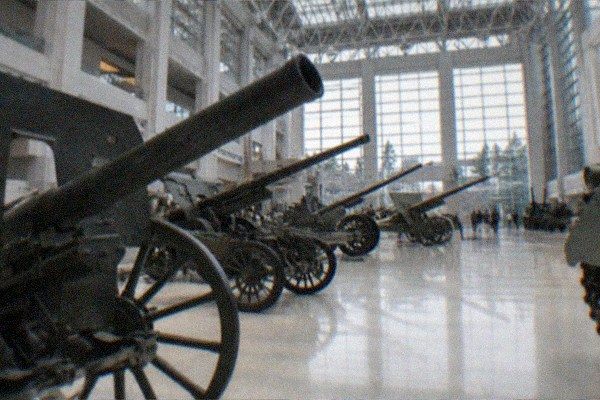
The distinction matters because Beijing's museum landscape mixes genuinely free venues with paid ones, and the free ones are not always the easiest to enter. The National Museum of China charges nothing and requires a reservation. By contrast, Confucius Temple and Imperial College Museum charges CNY 30 at the door, and Military Museum of the Chinese People's Revolution is free like this museum but runs its own reservation system, opening eight days ahead with releases at multiple times of day.
If you would rather hand off the booking work, a reservation service is available, check availability on the listing above if that route suits you. It starts at $4.58 per person, and what it buys is someone making the official free reservation under your passport details on release day. It does not buy a better ticket, a queue jump, or guaranteed entry if the daily quota is exhausted before your booking is placed.
| Item | Price |
|---|---|
| General admission (door price) | FREE (CNY 0) |
| Reservation through official channels | Free |
| Paid booking service (from) | $4.58 USD |
Treat the two figures in that table as separate transactions, because they are. The door price is what the museum charges in Chinese yuan. The booking service price is what a third party charges in US dollars for the labor of reserving a free ticket. Neither converts into the other, and no service can sell you the free admission itself.
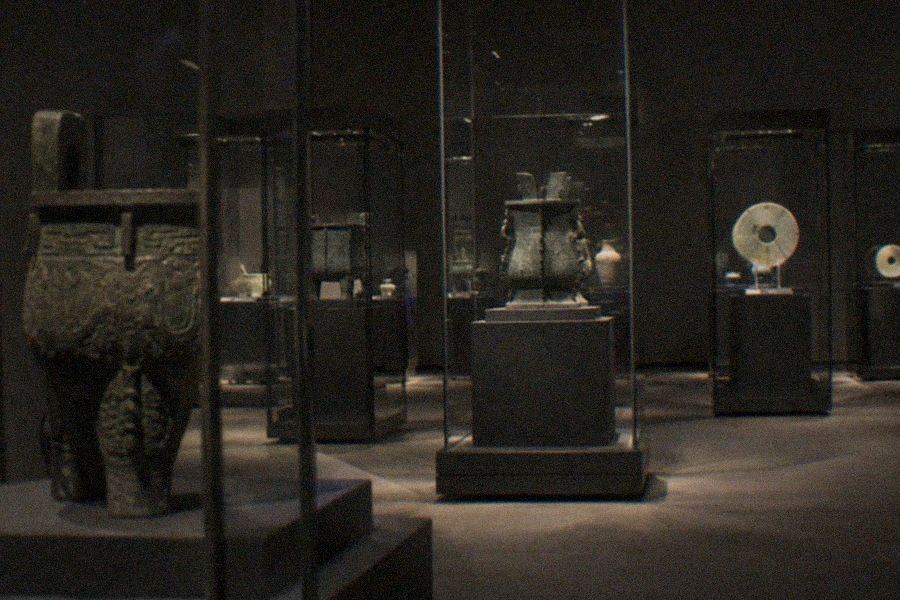
The National Museum of China tells the story of Chinese civilization from prehistory to the present across vast permanent galleries, anchored by the Ancient China exhibition, a chronological run of bronzes, jades, ceramics, sculpture and calligraphy drawn from a collection that ranks among the largest of any museum on earth. Special exhibitions rotate through dedicated halls, and the building itself, with its columned facade facing Tiananmen Square, is one of Beijing's most recognizable civic structures.
The Ancient China galleries are the reason most international visitors come. The route moves through the Neolithic, the Shang and Zhou bronzes, the Qin and Han, and onward through the dynasties, with each era represented by signature objects rather than filler. The Road of Rejuvenation exhibition covers modern Chinese history from the Opium Wars onward and is a very different experience in tone and presentation, dense, narrative, and unapologetically didactic. Visitors with limited time should choose between the two rather than attempting both at a sprint.
Special exhibitions are where the museum regularly pulls international crowds; these can have their own entry conditions, and a special exhibition may need a separate reservation even when general admission is covered. If a marquee show is running during your dates, check its specific entry rules when you reserve, not on the morning of your visit.
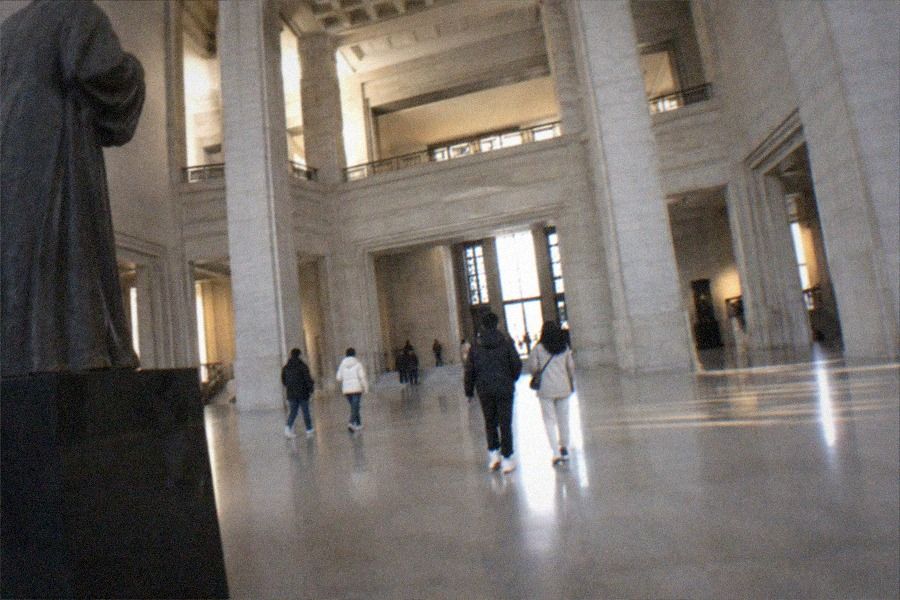
For scale and crowd management, the building helps: the halls are enormous, and even on busy days the permanent galleries absorb people better than a comparable palace or temple complex. The busiest pinch points are the entrance security line and the first gallery after entry. Visiting in the afternoon tends to thin the crowds relative to the morning rush, though the reservation slot you manage to claim matters more than the hour you prefer.
The National Museum of China is closed on Mondays, except statutory holidays, this is the single most expensive planning mistake to make in Beijing, and it catches thousands of visitors every year. For the visit itself, allow at least half a day: the permanent galleries alone justify three hours, and a serious visit with special exhibitions runs longer. The exact daily opening hours are not published in this guide's verified record, so confirm the day's hours when you make your reservation.
The Monday closure pattern is shared across much of the city. The Palace Museum (Forbidden City) directly across the square closes Mondays too, as does the National Art Museum of China. The practical consequence: never stack your Monday with museum plans in Beijing, and be aware that on the Mondays preceding or following statutory holidays, some venues stay open and become correspondingly crowded, the exception clause cuts both ways.
Timing within the day follows the reservation slot you hold. Arrive at the security line with time to spare before your slot, passport in hand and bags minimal, because the Tiananmen Square area has its own security perimeter on top of the museum's. Visitors combining the museum with the square, the Forbidden City or Qianmen Street should treat the whole east side of the square as a half-day-plus block; the geography rewards walking but the queues punish improvisation.
| Fact | Detail |
|---|---|
| Area | Dongcheng |
| Address | 16 East Chang'an Street, east side of Tiananmen Square, Dongcheng District, Beijing |
| Closed day | Monday (except statutory holidays) |
| Reservation required | Yes, real-name, timed |
| Reservation window | Opens 7 days ahead at 17:00 Beijing time |
| Foreign document | Passport |
That table is the whole planning skeleton: free entry, mandatory reservation, seven-day window at 17:00, Monday closure, Dongcheng location. Everything else, how long to linger in the bronze galleries, whether to add a special exhibition, is preference layered on top of those fixed facts.
The museum stands at 16 East Chang'an Street, on the east side of Tiananmen Square in Dongcheng District, one of the most accessible addresses in Beijing, sitting on the city's central axis and served by the subway lines that converge on the square. Arriving by metro is the sensible default: the area around Tiananmen is heavily restricted for private cars, and the security perimeters make surface approaches slow on busy days.
Beijing's subway network covers the whole city and the official network information, including line maps and station details, is at https://www.bjsubway.com/. Stations serving the Tiananmen Square area sit on Line 1 and Line 2, and whichever exit you choose, expect a walk plus a security check before you reach the museum door. Build that into your arrival time, particularly for a morning slot when the square-area lines are at their longest.
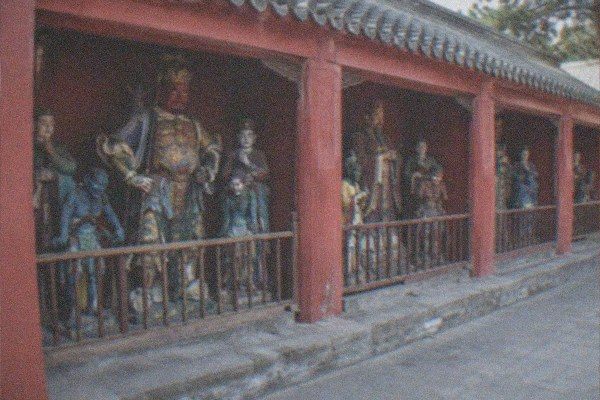
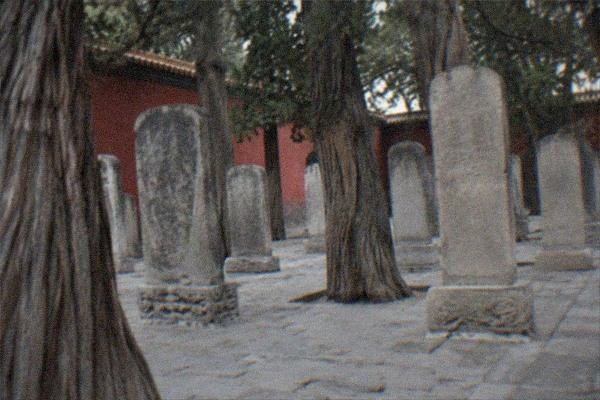
Coming from elsewhere in Dongcheng, the museum is often close enough to walk, the Confucius Temple and Imperial College Museum sits in the same district to the north, and the Lama Temple likewise. Visitors pairing the museum with the Forbidden City should note that the two are separated only by the square itself, but both require their own advance reservations on their own schedules, so the pairing works only if you have secured both slots.
Allow extra time if you are visiting on a flag-raising or national holiday morning, when the square fills early and the surrounding streets close to traffic. The museum entrance itself faces the square, and the queue forms along the front of the building; the passport check happens there, before the galleries.
Foreign visitors can and do book the National Museum of China directly, using a passport in the official reservation system, the window opens seven days ahead at 17:00 Beijing time and the registration is real-name. The process is workable but not frictionless: the official channels are Chinese-first, and the release-day competition for popular dates is real. Know the rules before you commit your itinerary.
The core rules are short. One, admission is free but reservation is mandatory, there is no walk-up purchase because there is nothing to purchase. Two, the reservation is real-name: the passport you book with is the passport you enter with, and a mismatch is grounds for refusal. Three, the window opens at 17:00 Beijing time seven days out, which for most international visitors means setting an alarm at an inconvenient hour, 17:00 in Beijing is early morning in Europe and the middle of the night in North America. Four, the museum closes Mondays except statutory holidays.
Traveler reports consistently flag high demand as the main obstacle: this is one of the most visited museums in the world, and free does not mean easy. If you attempt the booking yourself, have your passport details ready before 17:00, and if the day you want is gone, check for cancellations in the following days rather than assuming the week is finished.
If you would prefer not to fight the release window yourself, a booking service can make the official reservation under your passport details, check availability on the listing above. Be clear about what that is: a service fee starting at $4.58 for labor, not a ticket, and not a guarantee if the quota is exhausted before your reservation is placed. The museum itself authorizes no third-party ticket agents, and the only genuine entry document is the free official reservation.
One last planning note: because the museum sits beside Tiananmen Square, your visit inherits the square's security regime. Carry your passport at all times in this area, keep bags small, and expect an additional checkpoint between the street and the museum entrance. None of this is onerous, but it punishes tight scheduling, so arrive ahead of your slot.
Yes. General admission is free, the door price is CNY 0. However, free does not mean walk-in: entry requires an advance real-name timed reservation, and the daily quota can run out on popular dates. A paid booking service exists, but it only makes the free official reservation on your behalf.
Yes, a reservation is mandatory. The booking window opens seven days ahead of your visit date at 17:00 Beijing time, and registration is real-name. Foreign visitors book with a passport and must carry that same passport on the day of the visit.
Yes. The reservation system accepts a passport for foreign visitors' real-name registration. The passport number and name entered must match the physical passport presented at entry. The official booking page, including an English version, is on the museum's website.
Slots open seven days ahead of the visit date, at 17:00 Beijing time each day. For visitors in Europe or the Americas this falls overnight, so plan accordingly. Popular dates, weekends and holidays, can be claimed quickly after release.
No. The museum is closed on Mondays, except statutory holidays, when it typically remains open. This Monday pattern is shared across much of Beijing, including the Forbidden City across the square, so never plan museum visits for a Monday in this city.
At 16 East Chang'an Street, on the east side of Tiananmen Square in Dongcheng District, Beijing. It sits on the city's central axis, directly opposite the Forbidden City area, and is served by the subway lines converging on Tiananmen Square.
Allow at least half a day. The permanent Ancient China galleries alone justify around three hours, and adding modern history or special exhibitions extends that. Factor in the square-area security checkpoints when timing your arrival for your reservation slot.
It is a reservation service, not a ticket. Starting at $4.58, a provider makes the free official real-name reservation under your passport details on release day. It does not buy separate inventory, queue-jumping, or guaranteed entry if the daily quota is exhausted first.
Dongcheng
from $12 per person, live price on the listing Check availability →