Confucius Temple and Imperial College Museum
Dongcheng
from $12 per person, live price on the listing Check availability →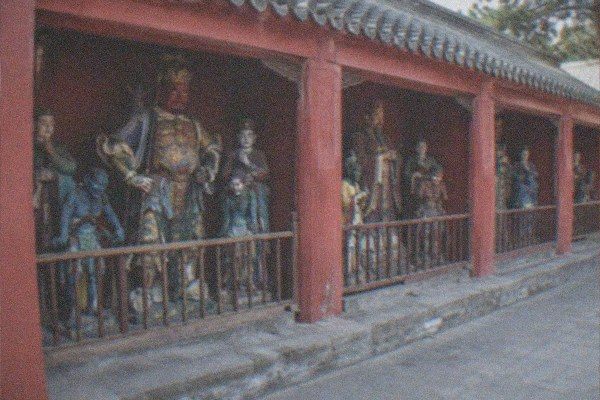
Current admission is on the museum's own ticket page.
Visitor info →Opens the museum's own website. Book on the official site; nothing is charged on this page.
Behind a stone gate on Chaoyangmenwai Street, one of east Beijing's busiest arterial roads, stands Dongyue Temple, a Taoist temple complex dedicated to the God of the Eastern Peak and home to the Beijing Folklore Museum. The courtyards hold two worlds at once: halls of folk-religion gods said to oversee lifespans, livelihoods and misdeeds, and museum displays on the festivals, weddings and crafts of ordinary Beijing families. Admission is CNY 10, the museum closes on Mondays, and the whole visit fits comfortably inside a couple of hours. This guide covers tickets, the reservation question, getting there, and how to pair it with the rest of the city.
The Beijing Folklore Museum at Dongyue Temple is a folk-culture museum set inside a Taoist temple complex dedicated to the God of the Eastern Peak, at 141 Chaoyangmenwai Street in Chaoyang District. Its subject is the everyday culture of old Beijing: the festival calendar, wedding and family customs, folk crafts, and the beliefs that organized ordinary household life for centuries.
Dongyue Temple gives the museum a setting few institutions anywhere can match. The complex is laid out as a sequence of courtyards and halls in the classical northern style, and its religious character has been preserved rather than stripped out. The halls are given over to the folk pantheon, the departments through which popular religion imagined the bureaucracy of heaven, each responsible for a domain of human life such as lifespan, wealth, misdeeds or livelihood. Walking through them feels less like walking through a gallery and more like walking through a working diagram of how ordinary Beijingers once understood fate.
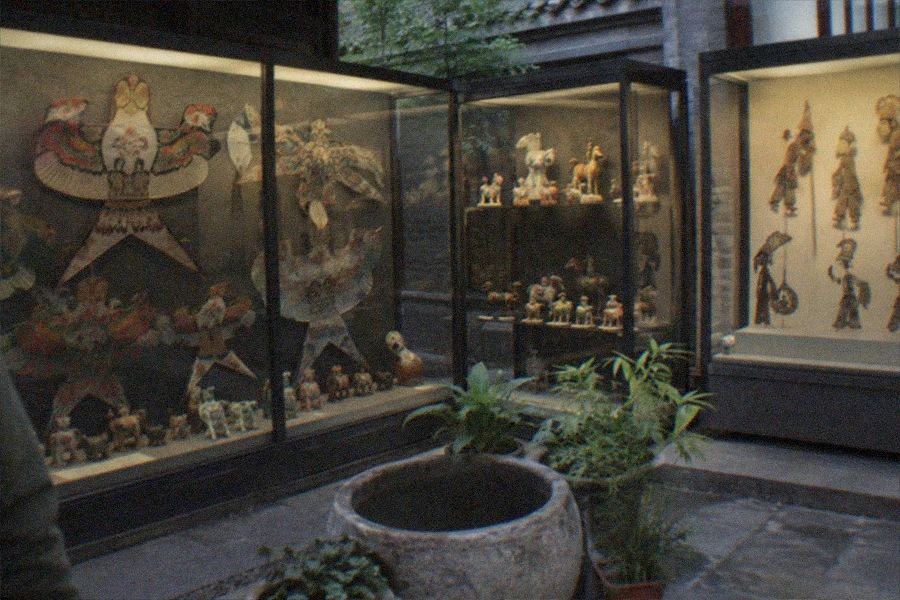
The museum's displays occupy the temple's halls and side rooms, and they take that same world as their subject. Exhibitions cover Beijing's traditional festivals across the lunar year, the customs surrounding marriage and family life, the crafts and trades of the old city, and the temple-fair culture that once animated spaces exactly like this one. The material is domestic rather than imperial: where the great state museums present thrones and court treasures, this museum presents the objects and rituals of the street and the family home.
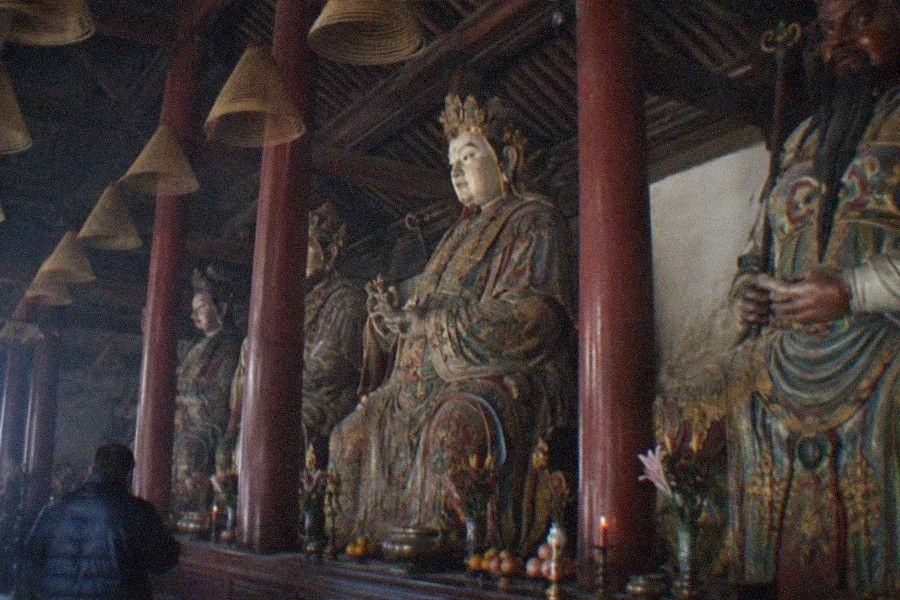
The busiest moment in the temple's year is Chinese New Year, when temple-fair activity brings folk performances, stalls and crowds into the grounds, and the museum's subject matter comes alive around it. Visitors with flexibility in their dates may find the festival period the most vivid time to come, and the quietest weeks the easiest. Either way, this is a museum that explains a city's home life rather than its court life, and it does so inside the very kind of building that life revolved around.
A standard adult ticket costs CNY 10, paid at the venue. The museum is not free, no third-party booking product exists for it anywhere, and there is no online price to compare against, the door price is the price. The Beijing government's English-language page for the museum is the official channel that carries its visitor details.
Ten yuan places this among the cheapest paid museums in the city. For comparison, the Confucius Temple and Imperial College Museum in Dongcheng charges CNY 30 at the door, the Summer Palace CNY 30, and the Temple of Heaven CNY 34. Dongyue Temple costs a third or less of any of them, which makes it an easy addition to a day rather than a line in the budget.
| Ticket | Price |
|---|---|
| Adult admission, paid at the venue | CNY 10 |
| Entry type | Paid, the museum is not free |
| Advance booking product | None exists |
Since no advance booking channel has been confirmed for the museum, the working assumption for a visit is simple: arrive on an open day, pay at the entrance, and walk in. Carry a small amount of cash or a working mobile payment setup, as smaller venues in Beijing do not always handle every payment method at the gate.
Two things are worth being clear about. First, no ticket platform of any kind sells this museum, so a search result offering a Dongyue Temple ticket online is not an official channel for this venue. Second, the CNY 10 figure is the door price in Chinese yuan, not a converted, bundled or resold price, which is a distinction worth holding onto in a city where third-party listings routinely sell something other than plain admission. What you pay at the gate here is the whole transaction.
No advance reservation requirement has been published for this museum, and no booking window, neither a days-ahead figure nor a daily release time, has been confirmed. The museum has no website of its own. The Beijing government's English portal carries its visitor information, and that page states no reservation rule, so plan around paying CNY 10 on arrival.
This makes the museum unusual in its home city. Across Beijing's museum sector, advance real-name reservation is the norm rather than the exception: the free National Museum of China releases slots seven days ahead at 17:00 Beijing time, and the free Military Museum of the Chinese People's Revolution opens its window eight days ahead with releases through the day. Visitors conditioned by those systems sometimes assume every venue in the city needs a booked slot. For Dongyue Temple, nothing published says so, and nothing published says otherwise.
The honest position is therefore to plan for both outcomes. Assume you can pay at the door, because that is the only arrangement anyone has confirmed. Keep a little schedule slack in case a queue or a daily cap appears on a busy day, particularly around Chinese New Year, when the temple grounds host fair activity. And treat the closed day as the hard constraint it is: the museum closes on Mondays, with the closure lifted on statutory holidays, the standard Beijing pattern, and the single most expensive planning mistake to get wrong.
For anything that changes, hours, admission, or a reservation rule introduced later, the Beijing government's English-language page for the museum is the channel that carries its visitor information, and it is the page to weigh over anything a search engine or a reseller shows. It is not the museum's own website; the museum does not have one.
The museum stands at 141 Chaoyangmenwai Street, Chaoyang District, on a wide east-west arterial road just beyond the Second Ring Road. The practical arrivals are the Metro, a bus along the arterial, or a taxi and ride-hailing drop-off at the gate; driving is a last resort, because the museum publishes no parking arrangement.
For Metro planning, the Beijing Subway's official site carries the full network map, line information and fare details, and it is the authoritative place to plot a route from wherever you are staying. The network's reach across the city center means almost any hotel connects to this district with at most a transfer or two. Chaoyangmenwai Street is also a major bus corridor, and its width makes buses easy to spot and board along the route.
Arriving by car is simple to describe and awkward to do. Chaoyangmenwai Street is a multi-lane arterial, the kind of road where a wrong turn costs a long loop, and the museum has no published parking of its own. The surrounding blocks are commercial, so paid car parks exist in the area, but nothing official ties any of them to the museum. Allow an extra stretch of time to find a space and walk, and treat the CNY 10 admission as the cheap part of a driving visit.
Taxis and ride-hailing are the low-friction option. A drop-off at the temple gate avoids both the parking question and any walking distance, and the address, 141 Chaoyangmenwai Street, Chaoyang District, Beijing, is specific enough to hand to any driver or paste into any ride-hailing app without translation. Whichever way you arrive, the gate itself is the landmark: a traditional temple entrance on a modern traffic corridor, and hard to miss.
Allow one to two hours for the museum and its temple grounds. Dongyue Temple is a compact courtyard complex rather than a sprawling site, and the folklore displays sit concentrated in a handful of halls rather than spread across gallery floors. Visitors who read the exhibit labels closely and take time over the temple architecture can fill about two hours.
| At A Glance | Detail |
|---|---|
| Area | Chaoyang District |
| Address | 141 Chaoyangmenwai Street, Chaoyang District, Beijing |
| Closed | Monday (except holidays) |
| Admission | CNY 10 at the door |
| Reservation | Not published, no booking window confirmed |
| Time to allow | 1–2 hours |
A sensible sequence is to work front to back through the courtyards, letting the religious halls and the folklore displays alternate, then step back onto Chaoyangmenwai Street with the rest of the day free. Because the museum sits in central-east Beijing with the whole city on its doorstep, pairing it is easy. The Confucius Temple and Imperial College Museum, on a quiet Dongcheng street, makes a natural companion piece: a CNY 30 ticket, the same Monday closure pattern, and a subject, scholarship, examination and officialdom, that complements the folk world of Dongyue Temple rather neatly.
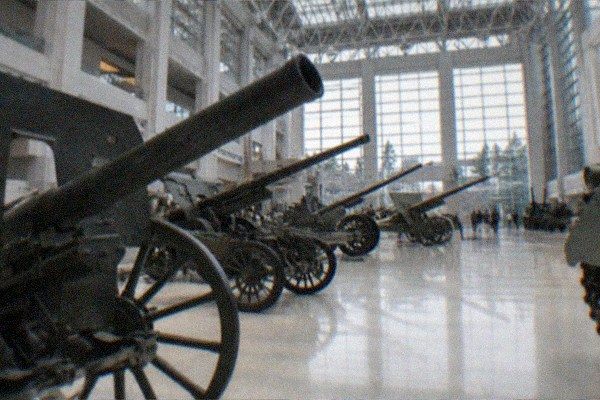
Visitors building a fuller museum day can head on to the National Museum of China on the east side of Tiananmen Square, free entry, but with a real-name reservation released seven days ahead at 17:00, so it needs booking while Dongyue Temple does not. The Military Museum of the Chinese People's Revolution, out on Fuxing Road in Haidian, is the pick for anyone whose interests run to hardware rather than folklore; it is free too, with an eight-day reservation window.
One timing note matters more than the rest: Monday. The museum closes on Mondays except statutory holidays, and so do most of the venues worth pairing it with, so a Monday visit risks a day of closed gates across the city. Pick any other day of the week and every pairing above works.
The museum suits travelers with an interest in folk religion, festival culture and the daily life of old Beijing, especially those who have already seen the imperial headline sights and want something quieter, cheaper and more local. It is a modest site rather than a full-day destination. Visitors who want large-scale, interactive or military displays will get more elsewhere.
Families with older children often do well here, because the material is visual and story-driven: gods with job titles, festival scenes, the mechanics of a wedding or a temple fair. For younger children the site offers less to handle and more to look at, and the CNY 10 ticket makes an early exit painless. Serious students of folk religion will find the temple's halls among the most evocative folk-religion spaces in the capital, precisely because the displays and the setting belong to the same tradition.
Who should skip it? Anyone measuring a museum by gallery count or by interactive screens, and anyone with no patience for religious imagery. The National Museum of China offers overwhelming scale for free; the Military Museum of the Chinese People's Revolution offers tanks and aircraft. Dongyue Temple offers neither, and does not try to, its whole value is intimacy, at a tenth of the price of the city's headline imperial sites.
Final practical reminders: closed Mondays except statutory holidays, CNY 10 at the door, one to two hours, 141 Chaoyangmenwai Street in Chaoyang District. Because the complex is a temple as much as a museum, ordinary temple courtesy applies in the halls, modest noise, and no handling of offerings or incense. That is the whole rulebook for a visit here, and it is a short one.
A standard adult ticket costs CNY 10, paid at the venue. The museum is not free, and no online or third-party booking product exists for it, so the door price is the only price. For context, that is a third of the CNY 30 charged at the Confucius Temple and Imperial College Museum.
No. The museum closes on Mondays, with the closure lifted on statutory holidays, the standard Beijing pattern. Most museums worth pairing it with follow the same rule, so a Monday trip risks a day of closed gates across the city. Plan any other day of the week.
No advance reservation requirement has been published, and no booking window, days ahead or a release time, has been confirmed. The museum has no website of its own; the Beijing government's English page carries its visitor information and states no reservation rule. Plan to pay the CNY 10 admission on arrival.
The address is 141 Chaoyangmenwai Street, Chaoyang District, Beijing, on a wide east-west arterial road just beyond the Second Ring Road. The Metro is the simplest way to plan a route, the Beijing Subway's official site, bjsubway.com, carries the network map and fares. Taxis and ride-hailing can drop off at the gate; no museum parking is published.
One to two hours. Dongyue Temple is a compact courtyard complex and the folklore displays are concentrated in a handful of halls, so the visit fits easily into half a morning or afternoon, leaving the rest of the day for a paired museum or the surrounding district.
No. No third-party product or platform sells this museum, and no online price exists to compare against the door. The only confirmed arrangement is paying CNY 10 at the entrance on arrival, which is one reason the visit is easy to add to a day at short notice.
The Confucius Temple and Imperial College Museum in Dongcheng, at CNY 30 with the same Monday closure pattern, complements the folk-world subject well. The National Museum of China and the Military Museum of the Chinese People's Revolution are both free but require advance real-name reservations released seven and eight days ahead respectively.
Dongcheng
from $12 per person, live price on the listing Check availability →