Can You Buy Forbidden City Tickets At The Gate?
No, the Palace Museum sells no same-day tickets at all. Here is how the 7-day advance reservation system works, what third-party booking services actually do, and what to do when your date sells out.
Can You Buy Forbidden City Tickets At The Gate?
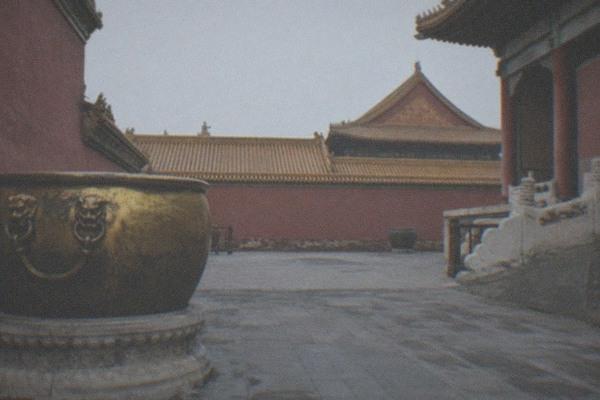
No. The Palace Museum sells no same-day tickets of any kind, and there is no ticket counter or passport desk at the Meridian Gate to fall back on. Every visitor, Chinese and foreign alike, must hold a real-name reservation made in advance through the museum's official channels. If you arrive without one, the only thing waiting at the gate is the security line for people who already have a booking.
That single fact trips up more visitors than any other part of planning a Beijing trip. The Forbidden City looks like every other major attraction on earth: a gate, a queue, a booth. The booth does not exist. The museum states plainly on its own site that it does not sell same-day tickets, and it repeats the point in its official ticketing notices. Entry is by advance real-name reservation only, booked through the official WeChat mini-program or the museum's own ticketing site, with the booking window opening seven days ahead at 20:00 Beijing time.
The system exists because demand vastly outstrips the daily quota. The museum caps entries each day, and the cap is not published in official announcements. What is published, and what matters for planning, is that popular dates sell out, often within minutes of the window opening. National holidays, weekends in peak season from April through October, and any day with a special exhibition are the hardest. Off-season weekdays in deep winter are the easiest, but nothing is guaranteed.
Foreign visitors are sometimes told that the reservation system blocks them, that it needs a Chinese phone number or a Chinese bank card. That was closer to true several years ago. The current official channels accept a foreign passport directly for real-name registration, and traveler reports through 2025 and 2026 consistently describe the Palace Museum as one of the more straightforward major Beijing sites to book with a passport. The mini-program asks for passport details, matches them to the booking, and the same passport must be presented at the gate. The document you book with is the document you enter with.
If you would rather not wrestle with a Chinese-language mini-program at eight in the evening seven days before your visit, third-party reservation services exist, and this site carries one. Before considering that route, it is worth understanding exactly what those services are, because the Palace Museum's own position on them is unusually blunt, and an honest page has to give you both facts together.
Why The Palace Museum Sells No Same-Day Tickets At All
The museum abolished on-site sales to control crowds and stamp out scalping. Real-name reservations tie every ticket to a specific passport, which makes resale nearly worthless, and the advance window spreads arrivals across the day. The policy is published on the museum's own site: no same-day tickets, no on-site sales, official channels only. It is a crowd-control measure with a ticketing system built on top of it.
The queue problem is older than the policy. For years the area outside the Meridian Gate was famous for two things: hours-long lines and scalpers selling marked-up entry to anyone who arrived without a ticket. Real-name booking killed the second market almost completely. A ticket registered to your passport cannot be handed to a stranger outside the gate, so there is nothing for a scalper to sell. The museum's own announcements warn against unauthorized sellers precisely because the tickets they claim to have either do not exist or were obtained through channels the museum does not recognize.
The crowd-control side matters just as much. The Forbidden City is the single most visited museum in the world by some measures, and its gates, courtyards and narrow side passages were built for an imperial court, not for modern tourism volumes. Spreading arrivals across timed slots keeps the Meridian Gate approach and the central axis from gridlocking. When you book, you are not just buying entry, you are being assigned a share of the day's capacity.
There is a third reason that is less often stated: predictability for the museum itself. Advance reservation data tells the Palace Museum how many people to expect, how many staff to roster at security, and which days need extra management. Same-day sales make all of that guesswork. Every major Beijing museum has moved the same direction, which is why 22 of the 31 venues this site covers require an advance reservation and only 6 take genuine walk-ups. The general pattern is explained in the guide to booking Beijing museum tickets, which covers the reservation system citywide.
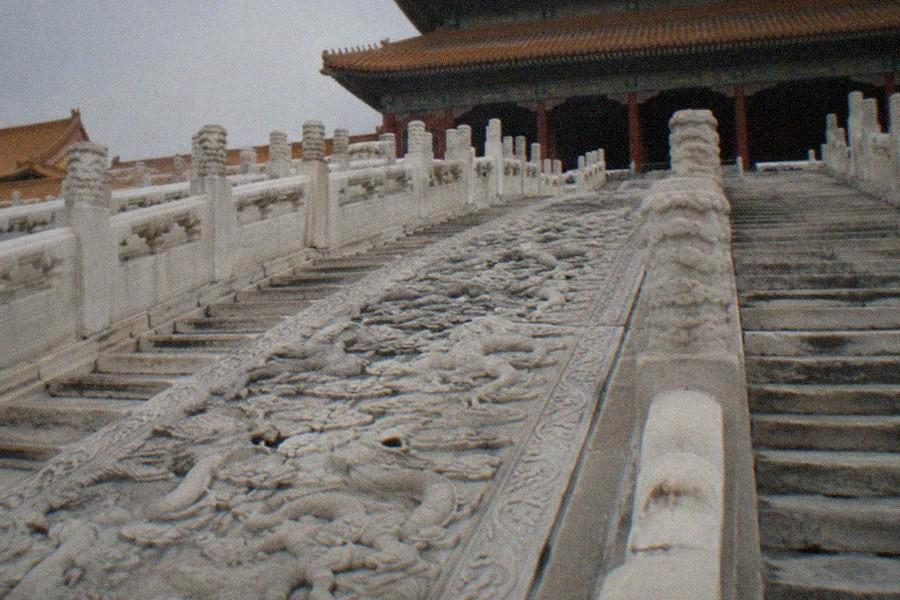
So the absence of a gate booth is not an oversight or a temporary measure. It is the system. Planning around it means treating the booking as seriously as a flight: pick the date early, be ready when the window opens, and have a backup plan if the day fills.
The question that follows is the practical one: when exactly does the window open, and how fast do you need to be?
How The 7-Day Booking Window Actually Works
Bookings open exactly seven days before your visit date, at 20:00 Beijing time, through the official WeChat mini-program or the museum's own ticketing site. The adult ticket is CNY 60 in peak season, April through October, and CNY 40 off-peak. The Treasure Gallery and the Clock Gallery are separate add-ons at CNY 10 each. High-demand dates can sell out within minutes of 20:00.
The arithmetic is simple but unforgiving. If you want to enter on a Saturday, the window for that Saturday opens on the Saturday a week before, at eight in the evening Beijing time. Beijing time is UTC+8, so 20:00 in Beijing is early afternoon in Europe and morning in North America. Visitors booking from abroad often set an alarm; the release is genuinely competitive on popular dates, and the slots that go first are the desirable morning entry times.
| What you are booking | Where it opens | When it opens | Price at the door equivalent |
|---|---|---|---|
| General admission | Official mini-program or ticketing site | 7 days ahead, 20:00 Beijing time | CNY 60 peak, CNY 40 off-peak |
| Treasure Gallery add-on | Same booking flow | With your general admission | CNY 10 |
| Clock Gallery add-on | Same booking flow | With your general admission | CNY 10 |
| Third-party reservation service | The operator's live listing | Anytime; confirmed when the official window opens | From $7 per person |
The add-on galleries deserve a note. The Treasure Gallery holds the imperial jewellery collection and is one of the best parts of the visit, and the Clock Gallery is a hall of ornate Qing-dynasty timepieces. Both are inside the walls but ticketed separately, and both sell out faster than general admission on busy days because their capacity is far smaller. If you want them, book them in the same session as your main ticket. What the add-ons include is covered in detail in what the Treasure Gallery separate ticket gets you.
Passports are the one detail that sinks bookings. The reservation must be made under the passport you will carry, and the name and number must match exactly. A common failure is booking with a nickname or a married name that differs from the machine-readable line of the passport. At the gate, scanners read the document and match it to the reservation; a mismatch means no entry, and there is no desk at the Meridian Gate to fix it. Book with the passport, carry the passport, and keep the booking confirmation on your phone as a fallback.
For visitors who cannot or do not want to fight the 20:00 release, the reservation service this site carries is one way through. It works by booking the official ticket under your passport details on your behalf, and it is refundable if the official quota sells out before your booking is secured. It does not sell you a different kind of ticket, and it does not get you past the cap; it simply does the 20:00 scramble for you.
What Third-Party Booking Services Actually Do
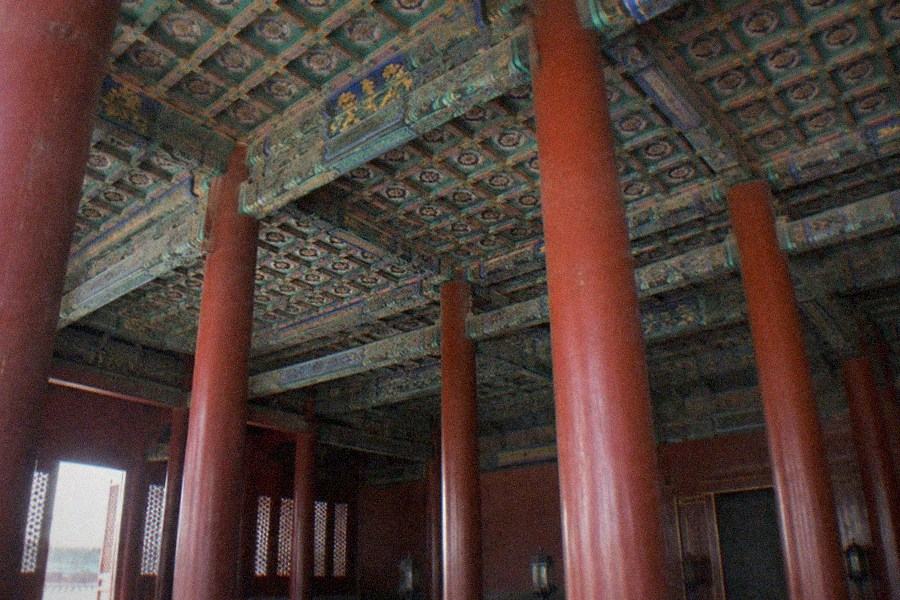
They are reservation services, not ticket resellers. You supply your passport details, the provider makes a real-name booking through official channels when the window opens, and you enter by presenting the matching passport at the Meridian Gate. The Palace Museum states it has authorized no third-party ticket agents, and it sells no same-day tickets. Both facts are true at once, and both belong on the same page.
The museum's warning is worth quoting in substance. Its official notice says it has not authorized any third-party institutions or individuals to act as ticket agents, for general admission or for the galleries, and that visitors should book in advance through the official mini-program and website to avoid financial loss. That warning is published next to the products for a reason: a reader deciding between booking it themselves at 20:00 and paying a service to do the same thing should know the museum's position before choosing. Everything else covered here is indexed on Beijing Museums.
The honest description of the services is narrower than either their marketing or the museum's warning implies. They do not hold separate inventory. They do not have a secret allocation. What they do is complete the official real-name booking under your passport details, usually at the moment the window opens, and charge a service fee for doing it. If the official quota sells out before their booking lands, the order is cancelled and refunded. You are paying for someone to be fast and fluent at a process you could do yourself for the price of the ticket alone.
Whether that is worth it depends entirely on your circumstances. If you are comfortable with WeChat, awake at the right hour, and booking in the off-season, do it yourself and pay CNY 60 or CNY 40 at the official price. If you are booking a peak-season Saturday from another time zone, or you want the add-on galleries, or the mini-program's passport flow defeats you, the service fee buys a real convenience. Neither choice is a scam, and neither choice gets you a ticket that does not exist.
One category of listing deserves a harder warning, because it is the one that generates angry reviews. Some products sell a choice between two sites, for example the Forbidden City or Tiananmen Square, in a single listing. The word "or" is doing real work there: you get entry to one of the two, and the listing does not guarantee which. A price on such a listing is not the price of Forbidden City admission, and treating it as such is how visitors end up at the Meridian Gate with the wrong booking. If a listing's title contains "or", read the options carefully before paying anything.
The same logic applies across this site's coverage: a product price is what the service charges, a door price is what the venue charges, and the two are different transactions that never convert into each other. The Forbidden City entry ticket cost breakdown covers exactly where each yuan and dollar goes.
What Happens If You Show Up At The Meridian Gate Anyway
You will be turned away. There is no same-day sales desk, no standby line, and no staffed window that can add you to the day's quota. Security checks reservations before the gate, so an unbooked visitor does not even reach the courtyard. The realistic fallbacks are Jingshan Park opposite the north exit, which sells walk-up entry, or rebooking the Palace Museum for another day.
The geometry of the situation makes it worse than most closed-attraction disappointments. Tiananmen Square, the Qianmen pedestrian street and the outer gate area are all freely walkable, so a visitor can spend a whole morning in the neighborhood, photograph the Meridian Gate from the square, and still not set foot inside. The gate itself is the boundary; without a reservation you see the wall, not the halls.
The one genuinely useful consolation is directly north. Exit the north side of the square area, cross Chang'an Avenue, and Jingshan Park sits on the small hill immediately behind the palace. Its south gate is directly across the street from the Forbidden City's north exit, and its Wanchun Pavilion at the summit gives the single best view of the entire palace complex roofline in the city. Jingshan takes walk-up entry with a foreign passport, so it works as a same-day rescue: you miss the inside of the palace but you get the panorama that most visitors never see, because they are standing inside looking up rather than on the hill looking down.
The other fallback is simply booking the next available day. The window rolls forward every evening at 20:00, so tomorrow's tickets release tonight, and a flexible traveler can often enter 24 or 48 hours later even in busy periods. Midweek dates in the off-season, November through March, are dramatically easier than peak-season weekends, and the CNY 40 off-season ticket makes the wait cheaper as well as more likely to succeed.
A word on timing inside the visit itself: even with a ticket, the palace rewards an early or late slot. The central axis from the Meridian Gate to the Imperial Garden is the crowd spine, and it is at its thickest from late morning to mid-afternoon. How long the visit deserves, and how to pace the halls, is covered in how much time you need in the Forbidden City.
Alternatives When Your Date Is Sold Out
If the Palace Museum is full, the imperial cluster of Beijing still has bookable sites: the Summer Palace in Haidian, the Lama Temple in Dongcheng, and Prince Gong's Mansion in Xicheng all sell real admission through advance reservation. The Summer Palace and the Lama Temple both take bookings seven days ahead, and Prince Gong's window opens ten days ahead at 20:00, earlier than the Forbidden City's own.
The Summer Palace is the strongest substitute for the same reason it is the strongest companion: it is the other great surviving imperial complex, a lake-and-hill landscape of halls, corridors and bridges that the Qing court built for the seasons when the Forbidden City was unbearable. Like the palace, it is not strictly a museum, and this site says so plainly; it is an imperial garden with paid inner halls. Its inner buildings, including the Tower of Buddhist Incense, close on Mondays except public holidays, while the park itself stays open daily. Entry requires a reservation, and the product this site carries starts from $14, with a 4.7 rating across 1,144 reviews.
The Lama Temple is the compact option, a working Tibetan Buddhist monastery a short walk from the Confucius Temple and the Imperial College. It is also not strictly a museum, and it is the most atmospheric incense-scented hour in central Beijing. Door admission is CNY 25, reservations open seven days ahead, and the product here starts from $10 with a 4.5 rating across 158 reviews. Its closed day is not published, so check before committing a morning.
Prince Gong's Mansion is the one that rewards planning ahead of the palace itself. Its reservation window opens ten days before visit day at 20:00, three days earlier than the Forbidden City's, which means a traveler who missed the palace release may still catch the mansion's. It is the best-preserved princely residence in the city, door price CNY 40, product from $11. Its opening hours and last entry are not reliably published, so treat any visit as a morning or early-afternoon plan and confirm locally.
None of these is a consolation prize in any meaningful sense. A Beijing itinerary that pairs the Forbidden City with one or two of the other imperial sites is richer than one that treats the palace as the whole story, and a sold-out palace date is simply the nudge to build that itinerary. For the full picture of which venues cluster where, the map of Beijing museums shows the districts and the day-trip distances at a glance.
Common Questions About Buying Forbidden City Tickets At The Gate
Can You Buy Forbidden City Tickets At The Gate?
No. The Palace Museum sells no same-day tickets and operates no ticket counter at the gate. Entry requires a real-name reservation made in advance through the official WeChat mini-program or ticketing site, with the window opening seven days ahead at 20:00 Beijing time.
Can a foreign visitor book a Palace Museum ticket with a passport?
Yes. The official channels accept a foreign passport for real-name registration, and the same passport must be presented at the Meridian Gate for entry. The name and passport number on the booking must match the document exactly.
How fast do Forbidden City tickets sell out?
On popular dates, peak-season weekends and holidays, the day's quota can sell out within minutes of the 20:00 release seven days ahead. Off-season weekdays are far easier, but no date is guaranteed, and the daily cap is not published.
Do third-party booking services sell real Forbidden City tickets?
They do not resell tickets. They make the official real-name reservation under your passport details when the window opens, and you enter with that passport. The Palace Museum states it has authorized no third-party ticket agents, and orders are refunded if the official quota sells out first.
What does a Forbidden City ticket cost?
General admission is CNY 60 in peak season, April through October, and CNY 40 off-season, booked through official channels. The Treasure Gallery and Clock Gallery are separate add-ons at CNY 10 each. A third-party reservation service charges from $7 per person on top of the official ticket.
What can I do if the day I wanted is sold out?
Book the next available day, since a new window opens every evening at 20:00, or pivot to Jingshan Park for the rooftop panorama, which takes walk-up entry. The Summer Palace, the Lama Temple and Prince Gong's Mansion are all bookable imperial alternatives within the city.