Why Is It Called The Forbidden City?
The name Forbidden City describes a palace compound that was off-limits to ordinary people for centuries. Here is the origin, the modern booking rules, and what a Palace Museum ticket actually covers.
Why Is It Called The Forbidden City?
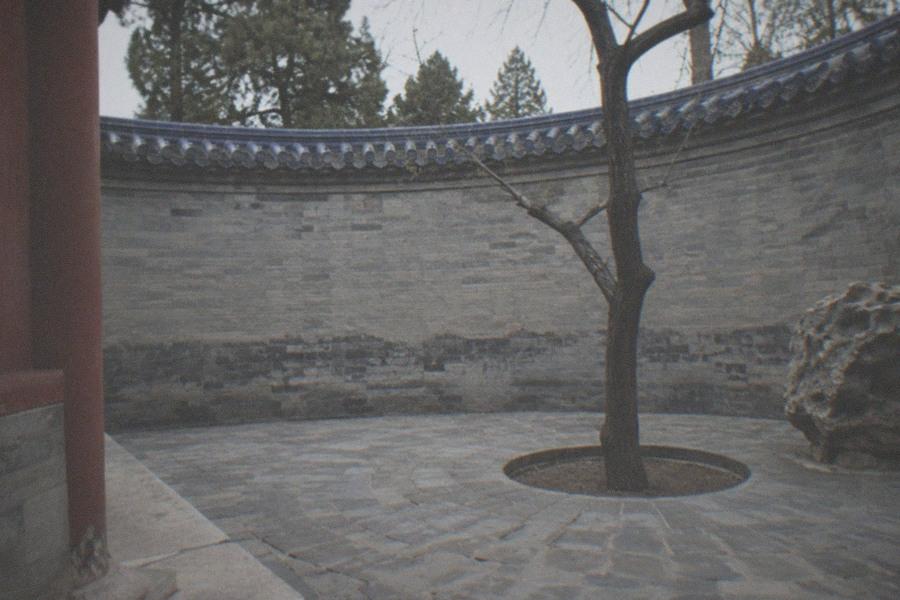
The Forbidden City is the common English name for the walled imperial palace in central Beijing that now operates as the Palace Museum. It earned the name because, for centuries, entry was restricted to the emperor, his household, and those granted permission. Ordinary people could not freely enter the gates.
The Palace Museum sits inside a moated rectangle in central Beijing's Dongcheng district, and the English name "Forbidden City" is a direct echo of the old restriction. It was not a place where ordinary people could enter on a whim. The emperor, the imperial household, and a small number of approved officials moved through its gates. Everyone else needed a reason, permission, and an escort. The name survives in English even though the institution now runs as a public museum with ticket windows and timed reservations.
The official name on the museum's own pages is The Palace Museum, not Forbidden City. That distinction matters when you book. You will see "Palace Museum" on the reservation system and "Forbidden City" in guidebooks, maps, and headlines. The two names point to the same walled compound, but the official one is the museum label and the popular one is the historical shorthand.
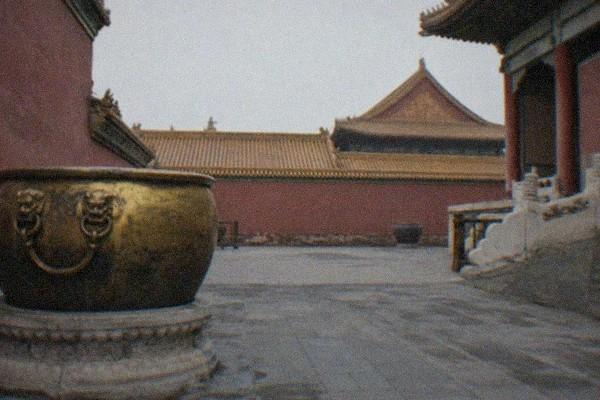
The current entry system is the modern version of the old gate. A real-name reservation is mandatory even for holders of a door ticket, and the booking window opens seven days ahead at 20:00 Beijing time. The complex closes on Mondays except statutory holidays, and no same-day tickets exist. You cannot arrive, pay at the door, and walk through the Meridian Gate the way you might at a less-regulated heritage site. In that sense the name still describes the experience: a barrier, a schedule, and a controlled point of entry.
The name is not a warning about tourism. Millions of visitors enter every year through the reservation system, and a foreign passport works for real-name registration where the research confirmed it. The prohibition is now logistical, not social. The Forbidden City is open, but it is not open-ended.
The name also survives because the original architecture still hides its inner courts from the street. You cannot see the central halls from outside the walls, and even from the outer courtyards the private quarters sit behind additional gates. The "forbidden" quality was partly physical: layers of walls and gates made the innermost areas visible only to those with permission. Today the tourist path follows the same processional route that imperial visitors once used, but the inner gates still mark thresholds that would have been closed to most people.
Is The Forbidden City Actually Forbidden Today?
No. It is now a public museum, but entry is not open access. Visitors must book real-name timed reservations in advance, there are no same-day tickets, and the complex closes on Mondays except statutory holidays. The restriction now is practical: quotas, identity checks, and advance release times.
The word "forbidden" now applies to unreserved access, not to people. The Palace Museum sells no same-day tickets at all. That means you cannot decide on the morning of your visit to go. The reservation window opens seven days ahead at 20:00 Beijing time, and popular dates sell out quickly. The museum states in writing that it does not sell same-day tickets, and there is no on-site passport counter that overrides that rule.
The door ticket price is CNY 60. That price is what you would pay for the venue admission if you secure an official slot. The third-party reservation products this site publishes start at $7. They are not the same transaction. The CNY number is the venue's own price. The dollar number is what the reservation service charges for arranging the booking. Do not average them or treat one as the other.
On Beijing Museums, the Palace Museum entry is explained as a reservation product because the ticket window is the actual barrier. The site's roster covers 31 venues across Beijing, and 22 of them require an advance real-name reservation. Only 6 take genuine walk-ups. That pattern is the opposite of what many travelers expect when they see the word "museum" in an English guide.
The reservation product for the Palace Museum is not a skip-the-line pass in the usual sense. Everyone enters through the same identity check at the Meridian Gate. What the third-party service does is handle the booking attempt at the official release time. If the official system rejects the passport details or the date sells out, the provider cancels. That is different from a tour that guarantees admission by holding inventory, because the museum has not authorized anyone to hold inventory.
The three imperial sites most often compared are the Forbidden City, the Summer Palace, and the Lama Temple. They share advance-reservation patterns, but the Palace Museum is the only one with a complete ban on same-day tickets. Summer Palace and Lama Temple both have their own entry products and reservation systems, but neither one uses the word "forbidden" as its English name.
Because the Forbidden City was built as an enclosed imperial compound, it still has walls, gates, a moat, and limited entries. That physical layout makes the name feel literal. The Summer Palace is a garden landscape spread around Kunming Lake, and the Lama Temple is a living religious complex. The contrast is useful: the Forbidden City name matches the architecture.
Why Do Official Palace Museum Rules And Tour Listings Seem To Conflict?
The Palace Museum states in writing that it has not authorized any third-party institutions or individuals to act as ticket agents, and that it sells no same-day tickets at all. At the same time, some third-party listings are reservation services that book the official ticket under the passport details you supply. Both statements can be true at once.
The Palace Museum's warning is public and specific. On its official pages it says it has not authorized any third-party institutions or individuals to act as ticket agents. It also says it sells no same-day tickets at all. Visitors are instructed to book through the museum's own WeChat mini-program or website. That warning appears on the official visit page, not in a secondary listicle.
The third-party listings that remain are mostly reservation services, not resellers holding a block of tickets. You supply your passport name and number at checkout. The provider then tries to book the official real-name ticket under your passport details when the official seven-day window opens. If the official quota sells out first, the provider cancels and refunds. The museum did not authorize that provider, but the transaction is still a service fee for attempting a real booking.
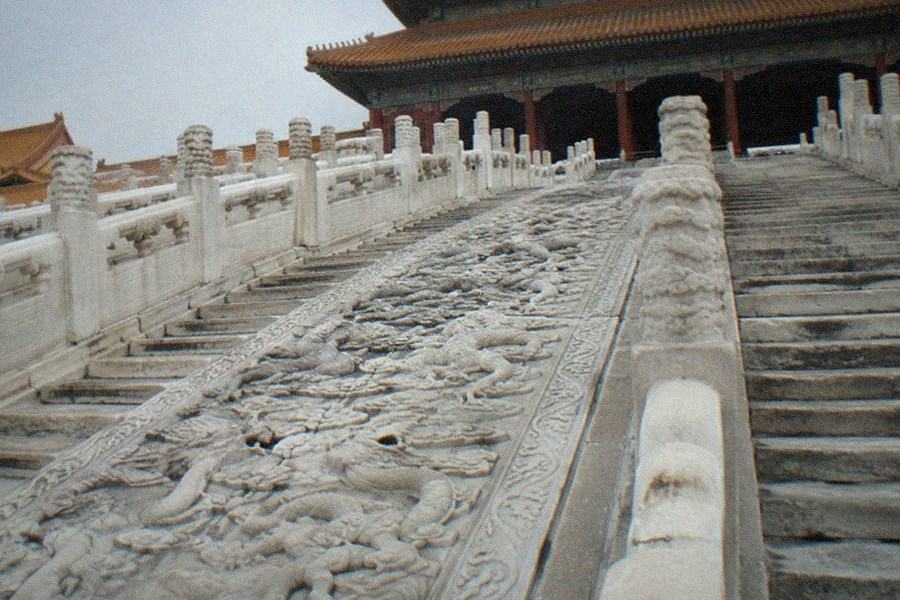
This is why a listing titled "Forbidden City or Tiananmen Square" is not a reliable substitute for a Palace Museum ticket. The word "or" means the product can deliver one option or the other, and the two attractions are separate sites. The same caution applies to "Temple of Heaven or Summer Palace" list-style products. On this site, the tour roster excludes those two-choice listings from Palace Museum pricing because they do not guarantee entry to the Forbidden City. You want a listing that names the Palace Museum and requires matching passport ID at the Meridian Gate.
If you do not want to handle the official WeChat process yourself, the Palace Museum reservation product is a timed entry service with a real refund path if the quota sells out. The service fee starts at $7, and the product carries a 4.5 rating across 655 reviews. It is not an official ticket; it is an attempt to secure the official ticket under your details.
The official warning and the service can both be true. The museum does not authorize the provider, and the provider does not claim to own inventory. It claims only to book the official slot on your behalf.
What Does The Booking Window Actually Look Like?
Palace Museum tickets open seven days ahead at 20:00 Beijing time. There are no same-day or on-site ticket sales. You reserve with a real name and matching passport details, and the door ticket for the main admission is CNY 60. The daily visitor cap is capped, but the official pages do not publish a numerical limit.
The reservation process is the source of most confusion. The Palace Museum uses a real-name system. When you book, you must provide the exact name and passport number that will be shown at the gate. The booking window opens seven days ahead at 20:00 Beijing time. There is no same-day ticket office and no on-site fallback. On Mondays the museum closes except on statutory holidays. The official pages do not publish a numeric daily visitor cap, so any specific figure you see is secondary.
| Item | Official rule |
|---|---|
| Door price | CNY 60 |
| Booking opens | 7 days ahead |
| Slot release time | 20:00 Beijing time |
| Same-day tickets | None |
| Closed day | Monday, except statutory holidays |
| Daily visitor cap | Unofficial, not published |
The slot release time matters more than many travelers expect. For a visitor in Western Europe, 20:00 Beijing time is early afternoon. For someone on the US East Coast it can be the morning of the same calendar day. For the US West Coast it can fall in the middle of the night. You should convert the Beijing release time to your own time zone before you rely on a reminder. The booking window is the real event in the planning process, not the day you show up.
Separate from the Palace Museum reservation, the 2026 Beijing Museum Pass covers roughly 140 venues at CNY 120 and admits two people across the year. It does not replace the Palace Museum's own timed reservation, which still requires a real-name slot. There is no Beijing CityPASS.
The Palace Museum reservation product is a service, not a paper ticket. You do not receive a QR code that you bought from the museum. You receive confirmation only if the provider successfully books the official real-name slot under your passport. That is why the price is lower than a guided tour and why the refund path exists. From $7, with 4.5 stars across 655 reviews, it is one of the cleaner ways to outsource the booking attempt.
The reservation window is the reason this article keeps repeating the phrase "seven days ahead". It is not a suggestion. It is the official release point, and if you wait until the week before a holiday period, the dates may already be gone.
How Does The Forbidden City Name Compare To Other Imperial Sites?
Summer Palace and Old Summer Palace were imperial gardens, and Lama Temple was a princely residence turned Tibetan Buddhist monastery. They are all called by their popular English names, but only the central palace compound became the Forbidden City. The name marks a stricter, more inward-looking imperial space.
The Forbidden City is unique in name, but it is not alone in the imperial category. Summer Palace, Old Summer Palace, Ming Tombs, Temple of Heaven, Prince Gong's Mansion, and Lama Temple all share an imperial or religious court background. They use different English labels because their physical and social functions differed. The Forbidden City was the closed palace compound. Summer Palace was a garden retreat. The Lama Temple was a princely residence before it became a Tibetan Buddhist monastery.
The side-by-side comparison below puts the main imperial venues into one view, showing how different the door prices, ratings, and closed-day rules actually are.
| Imperial site | Door price | Product from | Rating | Closed day |
|---|---|---|---|---|
| Forbidden City | CNY 60 | $7 | 4.5 across 655 reviews | Monday, except statutory holidays |
| Summer Palace | CNY 30 | $14 | 4.7 across 1,144 reviews | Inner halls close Monday, except public holidays |
| Old Summer Palace | CNY 10 | $8 | No published rating on this site | Unpublished |
| Lama Temple | CNY 25 | $10 | 4.5 across 158 reviews | Unpublished |
| Temple of Heaven | CNY 34 | n/a | No published rating on this site | Paid halls close Monday, except statutory holidays |
| Ming Tombs | CNY 60 | $20 | 4.4 across 25 reviews | Unpublished |
Summer Palace sits in Haidian district, not Dongcheng. It is not strictly a museum, a caveat this site makes plainly. The park has a door price of CNY 30, and the third-party Summer Palace product starts at $14. Its rating is 4.7 across 1,144 reviews. The inner halls, including the Tower of Buddhist Incense, close on Mondays except public holidays, while the park stays open more broadly. That split between venue and inner hall is different from the Palace Museum, where the whole site closes on Mondays.
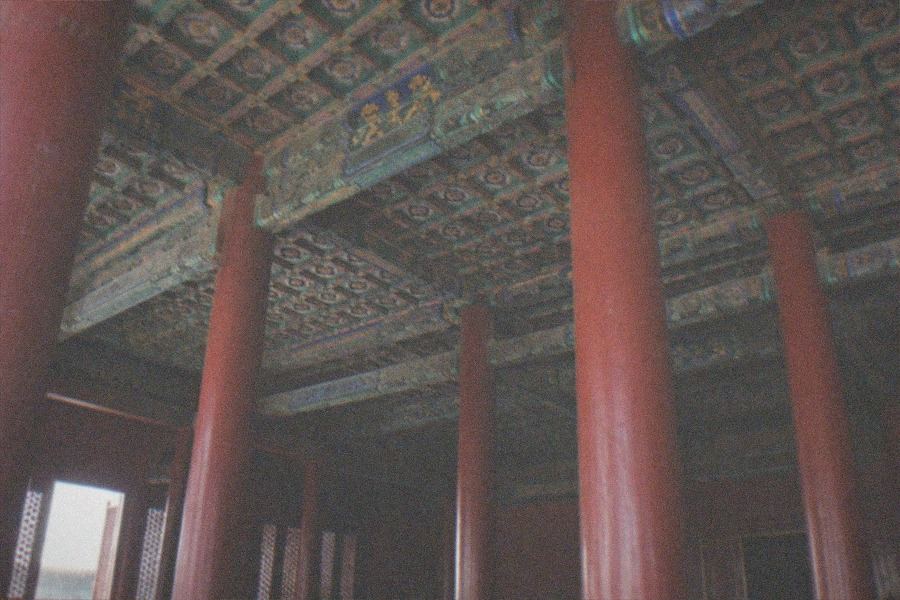
Lama Temple is also called Yonghegong and costs CNY 25 at the door. The third-party product for it starts at $10, with a 4.5 rating across 158 reviews. It is not strictly a museum either, but it is one of the most visited imperial religious spaces in the city. The old Summer Palace, or Yuanmingyuan, has a door price of CNY 10 and a product from $8, but its current state is a ruin park rather than a standing palace complex.
For readers who want the full picture of these court spaces, the history museums in Beijing guide places them in sequence. The Forbidden City name is the headline, but the imperial network around it is large.
The Summer Palace product is the most popular second booking for visitors whose itinerary starts at the Forbidden City. It has a stronger review count than the Palace Museum listing, and it gives access to a very different landscape.
That does not mean Summer Palace replaces the Forbidden City. It extends the imperial theme with open water, covered walkways, and longer distances.
What Should First-Time Visitors Know Before They Go?
The most expensive mistake is arriving on a Monday without a reservation. The Palace Museum closes on Mondays except statutory holidays, and there are no same-day tickets. Plan the booking around the seven-day window, use the exact passport name on your booking, and arrive with that passport at the Meridian Gate.
Start with the Monday rule. The Palace Museum closes on Mondays except statutory holidays. A Monday arrival with no reservation is the most expensive mistake in Beijing museum planning. The reservation window opens seven days ahead at 20:00 Beijing time, and popular dates sell out. The official English ticketing notice states the no-same-day-ticket rule without hedging.
The passport name on your reservation must match the passport you carry to the Meridian Gate. The real-name system was built around Chinese ID cards, but foreign passport registration works at the venues where the research confirmed it. Where the site's research could not confirm passport support, it says nothing rather than guessing. The Palace Museum is one of the sites with a clear foreign passport path.
The step-by-step process is documented in the how to book Beijing museum tickets guide. That guide walks through the official WeChat mini-program, the release time, and the documentation required. This article focuses on the name and the imperial context, but the mechanics are the same across many Beijing venues.
The closed-day pattern across Beijing is confirmed on the Beijing government museum page, which lists Monday closures and holiday exceptions for the major sites. You should still check the individual museum before you commit, because holiday schedules change.
The Forbidden City is closed on Mondays except statutory holidays. That means you should pair it with a Tuesday-to-Sunday schedule. The National Museum of China, also in Dongcheng, closes on Monday except statutory holidays. The Lama Temple closed day is unpublished, so do not assume every imperial or religious site follows the same Monday pattern.
If you are comparing the Forbidden City, Summer Palace, and Lama Temple, think of them as one imperial planning block. The Forbidden City is the most structured and the most dependent on the advance window. Summer Palace is the landscape escape. Lama Temple is the active religious site. All three have reservation products on this site, and all three share the Monday caution in some form.
Common Questions About Why It Is Called The Forbidden City
Why is it called the Forbidden City?
The name refers to the fact that ordinary people could not enter the imperial palace without the emperor's permission for centuries. Today the Palace Museum keeps the name while operating as a ticketed public museum with real-name reservations.
Is the Forbidden City still forbidden?
No, but entry is restricted by reservation. There are no same-day tickets, and the museum closes on Mondays except statutory holidays. You enter by reserving a timed slot in advance under your passport name.
Do I need a third-party ticket for the Forbidden City?
No, you can book through the official WeChat mini-program or website. A third-party Palace Museum reservation service may help if the official channel is difficult, but the museum says it has not authorized third-party agents.
What does the third-party Palace Museum ticket include?
The product from $7 is a timed entry reservation service. You provide passport details, and the provider books the official ticket under your name. If the official quota sells out first, the provider cancels and refunds.
How far ahead can I book the Forbidden City?
Booking opens seven days ahead at 20:00 Beijing time. There is no same-day ticket office.