Does Anyone Still Live In The Forbidden City?
No one has lived in the Forbidden City since 1924. Here is who the last residents were, who works inside the palace now, and how to book entry to the Palace Museum today.
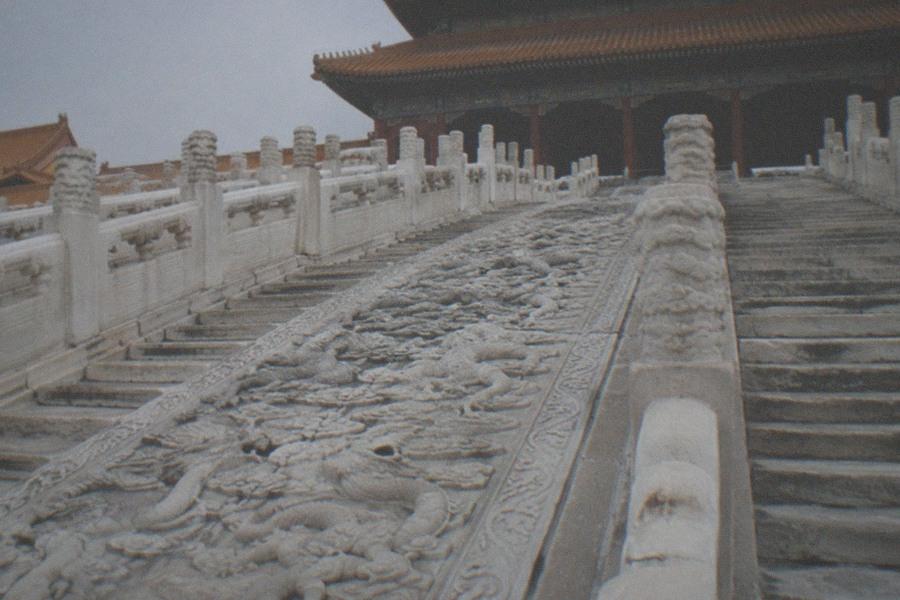
Does Anyone Still Live In The Forbidden City?
No. Nobody has lived in the Forbidden City since the last emperor, Puyi, moved out in 1924, and the palace became the Palace Museum, a public institution, the following year. Today its halls hold exhibitions, conservation studios, offices and storage, and the only people inside overnight are security and caretaking staff.
For the five centuries before that, the answer was the opposite. The palace compound was finished in 1420 and went on to house twenty-four emperors of the Ming and Qing dynasties, their families and their enormous retinues. Behind walls that ordinary subjects could not enter, a small city of dependents lived out entire lives: wives and children, tutors and eunuchs, guards, cooks, physicians, lacquerers and clockmakers. The name itself records that arrangement, which is covered in why the palace is called the Forbidden City.
The change from home to museum was not a single clean event. It was a decade-long squeeze, and it left the place with a double identity that still confuses visitors. Guidebooks describe the buildings as bedrooms, throne rooms and study chambers, while the institution that runs them sells timed admission, posts closure notices and runs a ticketing system built for crowd control. Knowing which identity you are visiting, a former residence or a working museum, changes how you plan the day, which is why questions like how many rooms the palace holds and how much of it you can actually enter come up over and over.
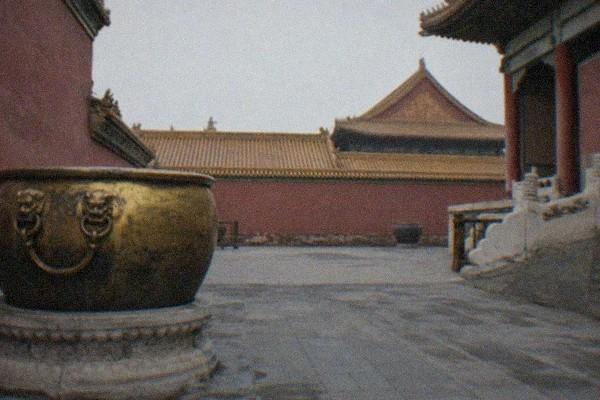
What a visitor meets today is unambiguously a museum. Entry runs on a real-name reservation system, admission is sold only through official channels, and the whole site closes on Mondays except statutory holidays. The scale of the operation, and the fact that almost nothing inside it is residential anymore, is the short answer to the question. The long version is better, because the last household is a story in itself and so is everything that replaced it.
The practical barrier for anyone planning to see it is entry, not access to a home. The official booking window opens seven days ahead at 20:00 Beijing time, popular dates sell out quickly, and there are no same-day tickets at any gate. A reservation service can handle that booking under your passport details if you would rather not fight the mini-program yourself.
Who Was The Last Person To Live In The Forbidden City?
The last resident was Puyi, the final emperor of the Qing dynasty. He abdicated as a small child in 1912 but continued to live inside the Inner Court for more than a decade under the abdication agreement, until Republican forces removed him in 1924. The palace became a museum the following year, and he never held residence there again.
Puyi's continued residence after 1912 was a legal curiosity without much precedent. The agreement that ended his reign allowed the imperial family to keep the Inner Court, the private half of the compound, while the Outer Court passed to the new republic. For twelve years the palace therefore held two worlds under one roof. Museum staff began cataloguing the Outer Court's treasures by day, and behind the partitions a diminished court kept up the old rituals on the old schedule.
The household had shrunk from thousands to a few dozen people by the end. The emperor, his wife Wanrong, a handful of tutors, attendants and eunuchs, and the staff needed to heat, feed and clean a palace built for a population twenty times their number. Contemporary accounts describe a strange, quiet version of court life: ceremonies performed for almost no audience, stipends arriving late, and a teenage emperor being taught English and mathematics in rooms where his ancestors had received generals.
The end came in a single afternoon. In November 1924, troops of a Republican commander entered the Inner Court and gave the household hours to pack and leave. Puyi moved first to his father's residence nearby, then into the embassy quarter, and the residential life of the palace ended after five centuries. Within a year the Palace Museum was founded and the entire compound opened to the public as a state institution, a conversion so fast that some of the first exhibits were the furniture the departing household had left behind.
The rest of Puyi's life took him far from the walls and, eventually, back toward them. He later headed a Japanese-sponsored state in the northeast, was captured at the end of the war, spent years in Soviet and then Chinese custody, and lived out his final years in Beijing as a private citizen. By many accounts he returned to the palace in that period as an ordinary visitor, standing in line like anyone else to walk through the rooms he had grown up in. The palace, meanwhile, never again became anyone's home. Even the museum's own hold on the building was interrupted by war, when much of the collection was crated and moved inland, and curators spent the following decades reassembling what had been scattered.
What Can You See Of The Private Quarters Today?
Most of the Inner Court, where the imperial family actually lived, is open to visitors as exhibition space. The former residence palaces along the central axis are furnished and open to walk through, while the Treasure Gallery and the Clock Gallery, two of the collection's highlights, sit inside the palace as separate paid add-ons at 10 CNY each.
The residential palaces are the part of the visit that answers this article's question most directly. The great halls of the Inner Court, where the emperor slept, studied and received his family, are furnished and lit for visitors. Throne furniture, screens, braziers and bedding arrangements stand where the household used them, labelled in Chinese and English. Some rooms are kept as period scenes; others hold exhibits on imperial daily life, from the education of imperial children to the medicine, food and ceremony that organized every hour of a resident's day.
The two add-on galleries reward the extra ticket. The Treasure Gallery displays some of the finest pieces the imperial family owned rather than lived among, jewellery, jades, gold and enamels, while the Clock Gallery holds the Qing dynasty's famous collection of ornamental clocks, many of them mechanical marvels built as diplomatic gifts. Both are separate 10 CNY add-ons to general admission, and both sit inside the compound, so they only work as part of a full visit.
| Part of the palace | What it was | What it is now |
|---|---|---|
| Outer Court halls | Stage for imperial ceremonies and audiences | Open throne halls walked through by every visitor |
| Inner Court residence palaces | Home of the emperor and his immediate family | Furnished rooms and exhibits on imperial daily life |
| Treasure Gallery compound | Storehouse of the imperial art collection | Separate paid add-on, 10 CNY |
| Clock Gallery compound | Hall housing the Qing clock collection | Separate paid add-on, 10 CNY |
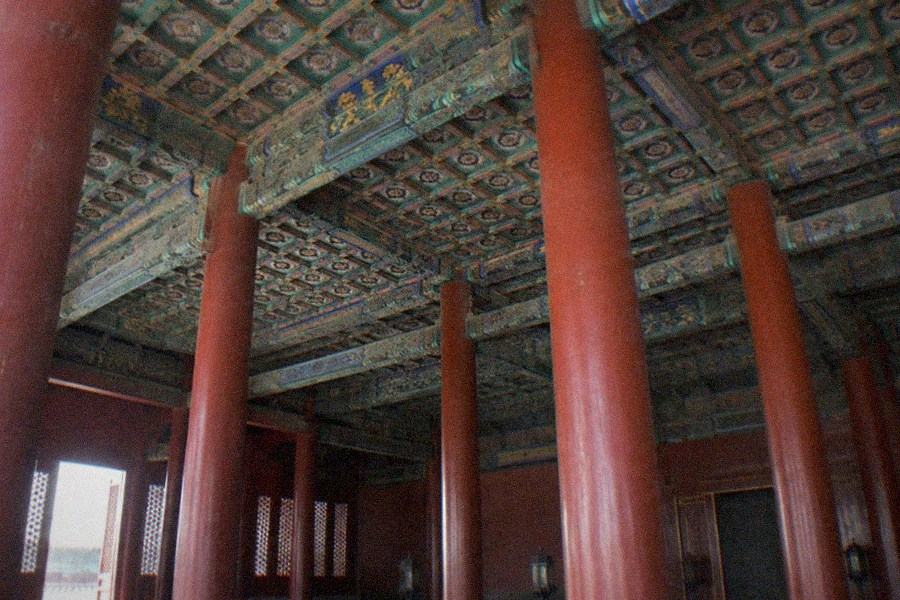
One thing you will not find is a locked residential wing with someone living behind it. Every door in the visitor route opens onto exhibits, conservation work or staff areas, and the museum is explicit that the palace's residential era ended a century ago. The furnished rooms can feel inhabited, which is the point of the presentation, but the presentation is all there is. Walking the Inner Court at a reasonable pace takes most of a morning on its own, and fitting it together with the Outer Court is the reason how much time the palace deserves is a genuinely useful question rather than a formality.
If that walk sounds like the plan for you, the booking is the one thing to sort out well ahead of the day.
Who Works Inside The Palace Now?
Hundreds of Palace Museum staff work inside the walls on any given weekday: curators, conservators, exhibition designers, ticketing and security teams, gardeners and building technicians. The palace is a working museum campus. Overnight the population drops to security patrols, and a new North Campus is expected to open at the end of 2026 to relieve pressure on the historic buildings.
The daytime population is institutional in every sense. Curators manage one of the largest museum collections in the country. Conservators repair paintings, textiles, lacquer, bronzes and clocks in workshops that visitors rarely see, a hospital for objects rather than people. Exhibition designers, registrars, photographers and archivists keep the furnished rooms and rotating shows running. Around them work the people who keep a wooden palace alive: carpenters, roofers, masons, gardeners and the cleaning crews whose work on the courtyards begins before the gates open. The full index of guides sits on Beijing Museums.
The buildings themselves are the staff's largest patient. A compound of timber halls on the scale of the Forbidden City needs constant maintenance against rain, frost, dust and the wear of millions of annual footsteps. The museum has been building a second campus in the north of the city to take pressure off the historic core, with the structure completed in 2025 and opening expected at the end of 2026. Part of the point is conservation: moving storage, workshops and some exhibitions out of the old walls gives the original buildings room to be maintained rather than merely used.
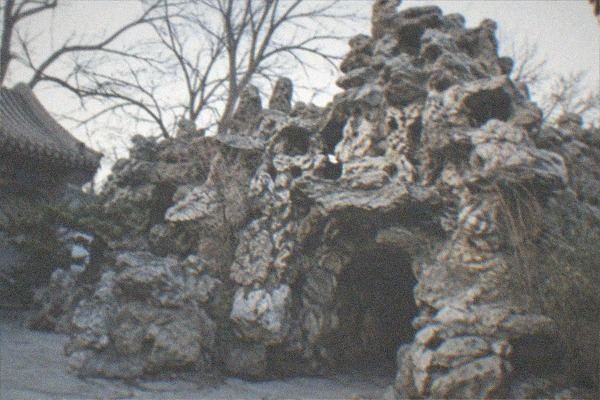
At night the population falls to a handful. Security patrols the walls and the halls, and the palace sits dark and empty in the middle of the city, which is the closest modern equivalent to the emptiness that gave the old Inner Court its strange atmosphere. There is no night shift of residents, no keeper of the keys in any dynastic sense. The keys, insofar as they still exist as an idea, belong to an institution, and the institution answers to the visiting public, a reversal the palace's original architects could not have imagined. The Beijing municipal government's museum pages describe the palace in exactly those terms, as a public museum first and a monument second.
How Do You Get Inside The Forbidden City Today?
Book a real-name ticket through the Palace Museum's official WeChat mini-program or its official website, where the window opens seven days ahead at 20:00 Beijing time. Admission at the door is 60 CNY peak and 40 off-peak, with no same-day sales, and the palace closes Monday except statutory holidays. A foreign passport works in the official channel.
The reservation system is the palace's front door now, and it is strict. Every visitor is a named ticket holder matched to an ID at the gate, the quota is capped, and popular dates sell out. The museum sells nothing at the gate on the day; there is no walk-up counter and no passport desk as a fallback. Foreign visitors can book online themselves using a passport, and the official channels are the only place the ticket is sold, as stated on the Palace Museum's own visit page.
The museum is also explicit about third parties. Its published ticketing notice states that it "has not authorized any third-party institutions or individuals to act as ticket agents", and warns visitors to book only through official channels, a position you can read in full on the museum's ticketing notice page. That statement deserves to be taken seriously, and it coexists with a real market of reservation services. Those services do not resell tickets: you supply your passport details, the provider makes the official real-name booking on your behalf when the window opens, and the listing refunds you if the official quota sells out before your booking lands. The entry ticket you end up holding is the official one, checked against your passport at the Meridian Gate.
| Ticket | Price | Notes |
|---|---|---|
| General admission, peak season (April 1 to October 31) | 60 CNY at the door | Sold only through official channels, real-name |
| General admission, off-peak (November 1 to March 31) | 40 CNY at the door | Same reservation rules, smaller crowds |
| Treasure Gallery | 10 CNY | Separate paid add-on inside the compound |
| Clock Gallery | 10 CNY | Separate paid add-on inside the compound |
| Third-party reservation service | from $7 | Books the official ticket for you under your passport details |
The reservation-service route exists for visitors who cannot or do not want to fight a Chinese mini-program at eight in the evening. The product this site lists for the palace sells from $7 and carries a 4.5 rating across 655 reviews, and its terms follow the pattern described above: passport details in, official ticket out, refund if the quota is gone.
Whichever route you take, the timing discipline is the same. Decide your date, be ready when the seven-day window opens, and treat a Monday plan as a mistake unless it falls on a statutory holiday. The palace's closure rhythm is the single most common planning error in the whole city, because so many other Beijing museums close the same day.
Where Else Can You See How The Imperial Family Lived?
Several other former imperial sites around Beijing stayed in use or were preserved, and today they are ticketed attractions. The Summer Palace, the Lama Temple, Prince Gong's Mansion and the Old Summer Palace ruins all sit within reach of the city center, each with its own door price and reservation rules.
The Summer Palace is the closest thing to a second Forbidden City in spirit, an imperial playground of lakes, halls and long corridors in Haidian. It is not strictly a museum, and it says so plainly: it is a park and imperial garden, with reservation required and door admission of 30 CNY. The inner halls, including the Tower of Buddhist Incense, close on Mondays except public holidays, while the park itself keeps longer hours. A reservation product for it sells from $14 and carries a 4.7 rating across 1144 reviews, the strongest of the imperial group.
The Lama Temple is the other great survivor of imperial Beijing. It is a working Tibetan Buddhist temple, not a museum in the strict sense, and it functions as one: incense is burned, services are held, and the halls are devotional spaces rather than galleries. Admission at the door is 25 CNY, reservation is required, and the booking window opens seven days ahead. A reservation product for it sells from $10 with a 4.5 rating across 158 reviews.
Prince Gong's Mansion fills out the residential picture from a different angle. It is a Qing princely residence in Xicheng, preserved as a museum of the sort of aristocratic domestic life the Inner Court once held on a grander scale. Door admission is 40 CNY, the reservation window opens 10 days ahead at 20:00, and it closes on Mondays except public holidays. A reservation product for it sells from $11. The Old Summer Palace, finally, is the group's ruin: an imperial garden burned in the nineteenth century and preserved as a park of broken stone. Door admission is 10 CNY, reservation is required, and a product for it sells from $8.
| Site | Door price | What it is today |
|---|---|---|
| Summer Palace | 30 CNY | Imperial garden and park, not strictly a museum; inner halls close Monday except public holidays |
| Lama Temple | 25 CNY | Working Tibetan Buddhist temple, not a museum; reservation required, window opens 7 days ahead |
| Prince Gong's Mansion | 40 CNY | Qing princely residence museum; window opens 10 days ahead at 20:00, closed Monday except public holidays |
| Old Summer Palace | 10 CNY | Ruins park of a burned imperial garden; reservation required |
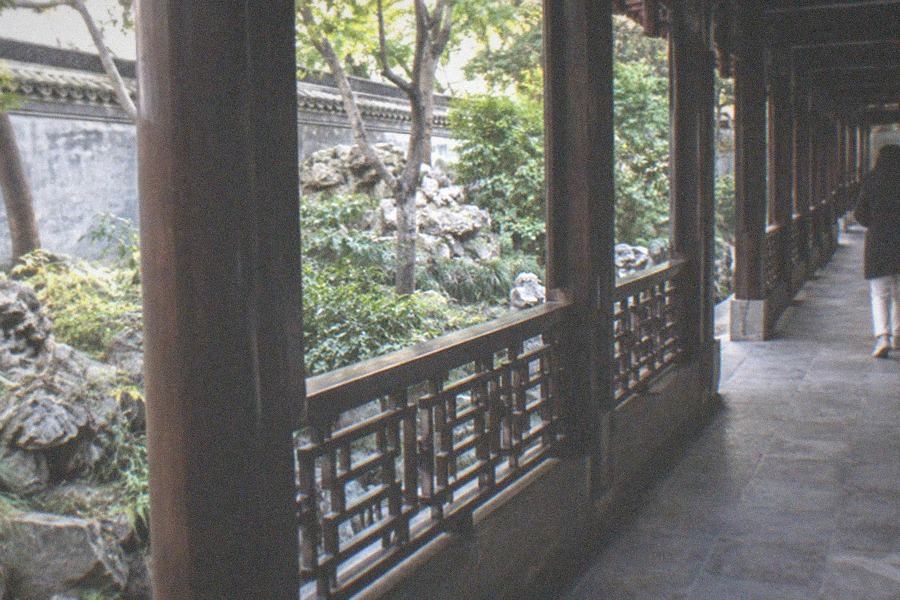
Seen together, these sites tell the same story the Forbidden City tells on its own. The imperial family's world did not vanish; it was converted, hall by hall, into public property, and the conversion is what a visitor now pays to see. No one in Beijing lives an imperial life anymore, not in the palace, not in the garden, not in the mansion. What remains is a belt of former homes whose residents are now, in every case, an institution and its staff.
If the palace is the anchor of your trip, these three are the natural companions, and the same reservation logic applies to each.
Common Questions About Who Lives In The Forbidden City
Does Anyone Still Live In The Forbidden City?
No. The last emperor, Puyi, moved out in 1924 and the palace became the Palace Museum the following year. The only people inside overnight are security staff; everyone else leaves when the gates close.
Who was the last person to live in the Forbidden City?
Puyi, the final Qing emperor. He abdicated as a child in 1912, kept residence in the Inner Court under the abdication agreement, and was removed by Republican troops in 1924. The palace opened as a public museum within a year.
Is the Forbidden City the same as the Palace Museum?
Yes. "Forbidden City" names the historic palace compound; "Palace Museum" names the public institution that has run it since 1925. The ticket you buy is for the museum, and the buildings you walk through are the former palace.
Can you stay overnight in the Forbidden City?
No. There is no accommodation inside the compound and no evening access for the public. The site closes to visitors each day, and overnight the only people inside are security patrols.
Do members of the imperial family ever visit?
Descendants of the Qing imperial family live as private citizens and some have spoken publicly about their ancestry. They visit like anyone else, with a reserved ticket, and none of them holds any right of residence in the palace.