Is The Geological Museum Of China Worth Visiting?
An honest verdict on the Geological Museum of China in Beijing: what it covers, what CNY 15 buys, how the 7-day reservation works, and who should skip it.
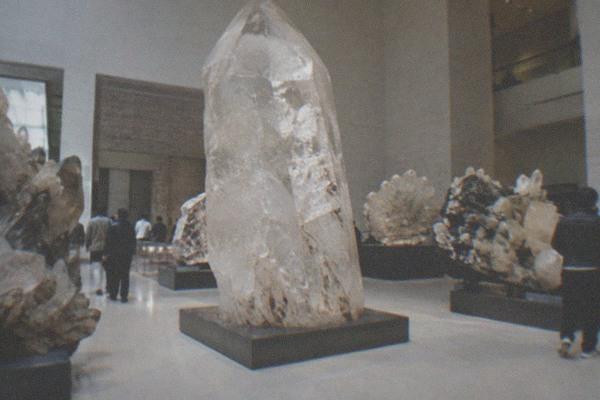
The Geological Museum of China occupies a modest building at 15 Yangrou Hutong near Xisi in Xicheng District, and it is one of the few major museums in central Beijing that almost no English-language itinerary includes. That is partly unfair and partly entirely reasonable. The museum's theme is geology, minerals and the natural sciences beneath them, which is either a highlight of your trip or forty minutes of politely looking at cases, depending on who you are.
This page gives the honest verdict. There is no ticket product sold for this museum anywhere, so nothing here is a sales pitch for it: entry is CNY 15 at the door, the reservation runs through the museum's own channel, and if the answer for you turns out to be no, the alternatives at the bottom are the science museums that do sell booking help. For the wider picture of which free venues exist and how their booking windows work, Beijing Museums tracks all 31 major venues in one place.
Is The Geological Museum Of China Worth Visiting?
Yes, if rocks, minerals and gems are genuinely interesting to you, or if you want a quiet, inexpensive, uncrowded museum in central Beijing. No, if you are traveling with small children or want the big, interactive experiences Beijing is famous for. At CNY 15 it is one of the cheapest paid museums in the city, and a visit runs one to two hours for most people.
The honest framing is this: Beijing has 31 major museums and limited days, and the Geological Museum of China is a specialist venue in a city full of blockbuster generalists. The Palace Museum, the National Museum of China and the Summer Palace all compete for the same calendar slots, and none of them loses to a mineral collection on spectacle. But the comparison is not really fair, because the two kinds of museum do different jobs. A specialist museum is quiet, walkable in under two hours, and cheap. On a hot afternoon or a rainy Monday-adjacent weekday, that has real value.
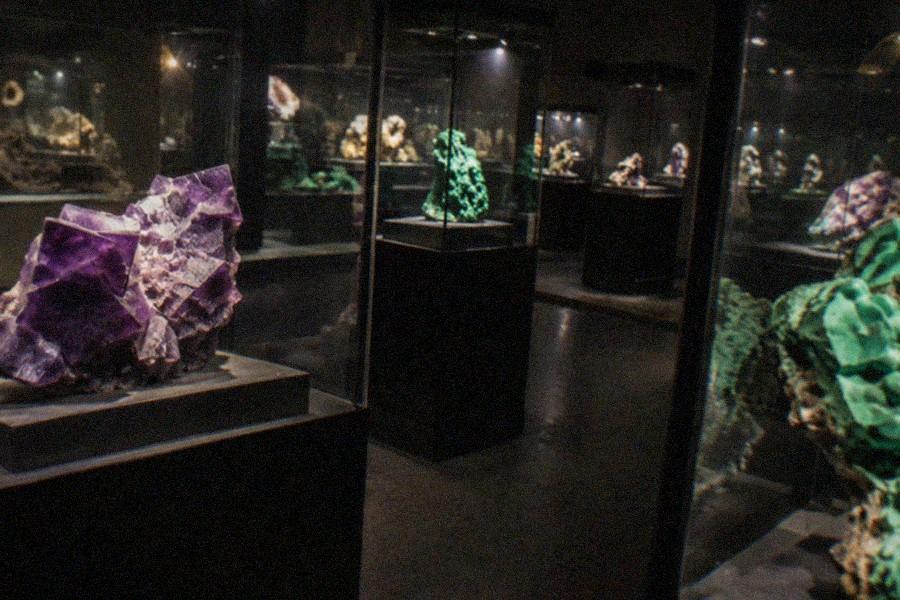
Who it suits best is easy to state. Rockhounds, gem enthusiasts, geology students and anyone with a professional or hobby interest in earth sciences will get more out of this museum than out of several bigger names, because the collection is the point rather than the architecture. Travelers who enjoy small, focused museums in general, the kind where you can stand at a case for ten minutes without a crowd, also rate places like this highly. Families with children under about ten tend not to, and the reason is simple: the museum's theme is specimens and natural science, not hands-on exhibits, and Beijing has purpose-built alternatives for that audience.
The location helps its case more than the collection does. Xisi is a genuinely central spot, a short walk from the wide, tree-lined avenues of inner Xicheng, with hutong streets around it that most visitors never see. A visit slots naturally into a half day that might otherwise be spent in the area, and at CNY 15 the cost of being wrong about it is close to nothing. The cost of being wrong about a CNY 60 venue is a wasted morning.
There is also a seasonal argument that rarely appears in print. In July and August, and again during the October holiday week, Beijing's headline museums operate at their most crowded, with timed slots, long security lines and galleries you shuffle through rather than explore. A specialist museum like this one absorbs almost none of that pressure. The visitors who love it most are often the ones who arrived in peak season, tried the Palace Museum on a Saturday, and wanted somewhere they could hear themselves think the next day. That is a real category of traveler, and for them the verdict is an unqualified yes.
If your interest is real but your time is short, the practical move is to pair it with something nearby rather than treating it as a destination. The museum's scale means it does not need a dedicated trip the way the National Museum of China does, a venue that deserves a full half day on its own.
If the verdict is leaning toward no for your group, the science museums with broader appeal are worth a look instead, and the three below are the ones with real booking products attached.
What Will You Actually See Inside?
The museum's theme is geology, minerals and natural science: rocks, mineral specimens and gem material displayed in traditional glass cases, with an earth-science framing throughout. It is a specimen-led collection in the classic style, not an interactive science center, so plan to read labels and look closely rather than push buttons.
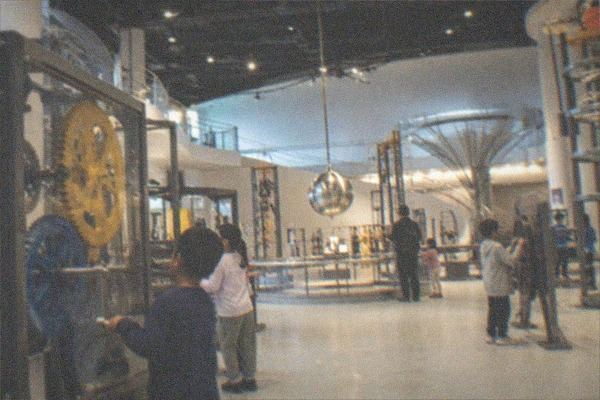
That distinction matters more than any individual display. Beijing has two kinds of science venue, and confusing them is the most common planning error. The China Science and Technology Museum is the interactive kind, with themed halls designed to be operated and experienced. The Geological Museum of China is the cabinet kind, built around what is in the cases. Neither is better, but they serve different moods and different audiences, and a family expecting the first will be disappointed by the second.
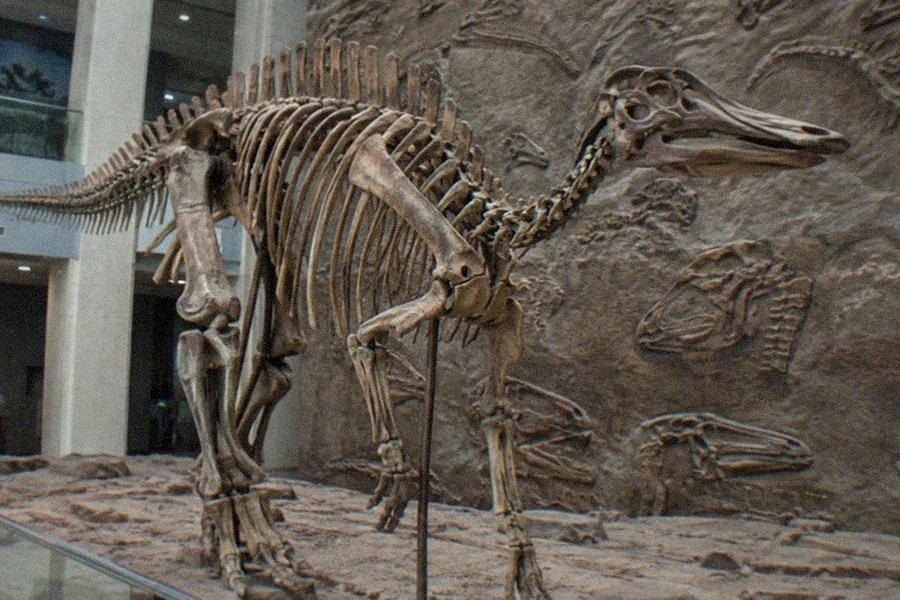
What a mineral collection offers is density rather than drama. A single case can hold specimens that took continents millions of years to produce, and the labels carry real information rather than photo opportunities. Visitors who enjoy that pace describe the museum as calm and rewarding, a word that rarely appears in reviews of Beijing's headline attractions in peak season. The trade-off is honest: if reading about mineralogy sounds like homework, no amount of lighting design will change the experience for you.
The museum's scale is part of the appeal. This is not a venue that demands a strategy or an early start. You walk in, you work through the galleries at whatever pace the specimens hold you, and you leave when you are done, which for most visitors is somewhere between one and two hours. There is no pressure to optimize, no timed route, and no sense that you are missing something around the corner.
A note on expectations for photographers and casual browsers. Specimen museums photograph poorly: the cases are lit for the objects, not for the viewer, and glare is a constant companion. If your museum habit is built around wide atriums and dramatic staircases, this building will not supply them. What it supplies instead is close looking, and the visitors who leave happiest are the ones who arrived with their reading glasses rather than their selfie sticks. That is not a criticism, just an accurate description of the experience on offer.
For context on what a geology-adjacent visit can be at its most vivid, the Zhoukoudian Peking Man Site Museum in Fangshan covers paleoanthropology at the UNESCO-listed cave site, and it sells a reservation product from $13. It is a day trip well outside central Beijing, so it competes with the Geological Museum only in theme, not in convenience.
How Do You Get In: Price, Reservation And The One Catch?
Entry costs CNY 15 at the door, and a reservation is required, opening 7 days ahead through the museum's own WeChat channel and Alipay mini-program. The museum is closed Monday except statutory holidays. The catch: the museum's official site is unreachable from outside mainland China, so sort your access before you arrive in China.
The booking window is the part that trips people up, and it is the reason a site like this one exists at all. Free or cheap entry in Beijing very rarely means walk-in entry, and the Geological Museum of China follows the city-wide pattern: 22 of the 31 major venues in Beijing require an advance real-name reservation, and only 6 take genuine walk-ups. This museum is in the reservation camp, with slots opening 7 days ahead through its official channel.
The channel detail is the practical problem. Reservations run through the museum's WeChat official account, which redirects to a booking platform, and through an Alipay mini-program. The museum's own website is geo-blocked and will not load from outside mainland China, which means travelers who plan everything from home before departure hit a wall here specifically. The museum's channels explicitly accept foreign permanent residence ID for reservation; for a short-stay visitor the realistic route is arranging access to the Chinese platforms after arrival, or getting help with the booking.
| Detail | Value |
|---|---|
| Door price | CNY 15 |
| Reservation | Required, opens 7 days ahead |
| Channel | Museum WeChat account and Alipay mini-program |
| Official website | Unreachable outside mainland China |
| Closed | Monday, except statutory holidays |
| Address | 15 Yangrou Hutong, Xisi, Xicheng District |
The Monday closure deserves its own sentence, because it is the most expensive mistake in Beijing museum planning. Chinese national and municipal museums close on Monday as a near-universal rule, and the Geological Museum of China is no exception. A visitor who plans a Monday around a closed museum loses the whole slot, so build Mondays around parks and walk-up venues instead. The city's Monday-proof museum options are worth checking before you lock an itinerary.
There is no third-party ticket product for this museum anywhere. Nothing is sold for it on any booking platform, so any listing you encounter that claims to sell Geological Museum of China entry is not what it appears to be. The only route is the museum's own channel, which is exactly why this page points you there rather than at a buy button. That also means no booking service can hold a slot for you in advance, no refundable pre-sale exists, and no English-language checkout will appear between you and the reservation. What you are dealing with is the museum's own system, in Chinese, on Chinese platforms, and planning for that reality in advance is the difference between a smooth visit and a wasted trip across the city.
Since the museum itself cannot be booked for you, the practical fallback for a science-filled day is the museum next door in theme and spirit: the China Science and Technology Museum, which does have a real reservation product.
How Does It Compare With Beijing's Other Science Museums?
The Geological Museum is the smallest and most specialist of the city's four major earth and life science venues. The China Science and Technology Museum is the interactive crowd-pleaser, the Paleozoological Museum covers fossils at CNY 20, and the National Natural History Museum is free with a 3-day booking window. Pick by audience, not by theme.
The comparison is worth making carefully because all four sit within a short distance of each other in the city's central and northern districts, and a wrong pick costs a half day. The table below uses each venue's door price and booking window exactly as the venues publish them.
| Museum | Theme | Door price | Reservation window | Closed |
|---|---|---|---|---|
| Geological Museum of China | Geology and minerals | CNY 15 | 7 days ahead | Monday (except statutory holidays) |
| China Science and Technology Museum | Interactive science | CNY 30 | 7 days ahead at 18:00 | Monday (except statutory holidays) |
| Paleozoological Museum of China | Fossils | CNY 20 | 6 days ahead | Monday |
| National Natural History Museum of China | Natural history | Free | 3 days ahead at 11:00 | Monday (except statutory holidays) |
The pattern in that table tells the real story. All four close Monday, all four require advance booking, and the free one is not the easiest one: the National Natural History Museum's 3-day window with an 11:00 release is one of the tighter booking windows in the city. Free in Beijing almost never means casual, a point that catches out visitors who assume the free venues are the low-effort backups. The free museums guide breaks down which free venues need what.
For families, the choice is straightforward. The China Science and Technology Museum is built for children, with its children's science hall running separate morning and afternoon sessions that are ticketed individually, and its main exhibition hall spread across four themed floors. Its reservation product sells from $21 and carries a 4.1 rating across 10 reviews. It is the safe pick for a mixed group, and its own booking opens 7 days ahead at 18:00, so the same advance-planning discipline applies.
For solo travelers and couples without children, the calculus flips. The Geological Museum's quiet cases and the Paleozoological Museum's fossils are genuinely better experiences when you can linger, and neither has the school-group energy of the big science centers on a weekday morning. The adult visitor's case for the science museum is worth reading if you are wondering whether the interactive venue skews too young.
A third axis worth considering is language. Labels and signage at the national museums are increasingly bilingual, but a specialist venue like this one leans heavily on Chinese text, and the depth you get from each case depends on how much of it you can read. Travelers who do not read Chinese still enjoy the specimens themselves, since minerals are visual objects that need no translation, but the earth-science narrative framing lands with less force. The interactive venues communicate through buttons, screens and demonstrations instead, which is exactly why they travel better for mixed-language groups.
How Long Does A Visit Take, And How Do You Plan The Day?
Plan on one to two hours inside the Geological Museum itself, plus travel time to Xisi. Most visitors pair it with another Xicheng or Haidian stop rather than dedicating a half day to it. Reserve the moment the 7-day window opens, and keep Monday clear of museum plans entirely.
The short answer on time is the museum's honest advantage: it fits. A venue you can see properly in ninety minutes is a venue you can add to an existing day without restructuring anything. The surrounding area rewards the walk too, with the hutong streets around Yangrou Hutong giving a slice of residential Xicheng that the big-sight circuit never touches.
Planning the reservation is the one piece of real work. The window opens 7 days ahead, and popular days in Beijing's peak season fill across the whole museum sector, not just the headline venues. Set a reminder for the evening your date enters the window, book through the museum's WeChat account or Alipay mini-program once you have platform access inside China, and carry the ID you booked with, since entry is real-name matched.
If you are building a broader Beijing plan and the booking system feels like the hard part, that is because it is. The step-by-step ticket booking guide walks through the windows, the release times and the passport question for every major venue, and it is the single most useful page to read before you finalize dates.
One budget note for museum-heavy trips: the Beijing Museum Pass, a pocket book rather than a card, admits two people across the year at CNY 120 and covers about 140 venues. Whether it pays off depends on how many paid venues your itinerary includes, and the museum pass breakdown does that arithmetic venue by venue. There is no Beijing CityPASS, so ignore anything sold under that name.
For travelers whose real interest is deep time rather than minerals, the strongest themed pairing is the Zhoukoudian Peking Man Site Museum, a day trip into Fangshan District with its own reservation product from $13. It is the only venue in this cluster where the collection and the landscape are the same story, since the fossils in its cases came out of the hillside you can walk to from the door.
The final verdict, stated plainly: the Geological Museum of China is worth visiting for the mineral-minded, the quiet-museum-minded and anyone with an unplanned ninety minutes near Xisi. It is not worth a dedicated trip across the city for a general visitor, and it is the wrong pick for young families when the interactive alternatives exist. At CNY 15, with a 7-day window and a Monday closure, it is a low-cost, low-risk specialist stop that rewards a specific interest, and it is perfectly fine to skip it without guilt.
If you are replacing it with something, these are the three science venues most travelers enjoy more:
Common Questions About The Geological Museum Of China
Is The Geological Museum Of China Worth Visiting?
Yes for anyone with a real interest in rocks, minerals and gems, or for travelers who enjoy small, quiet, specialist museums. It costs CNY 15, takes one to two hours, and sits centrally near Xisi. Skip it if you want interactive exhibits or are traveling with young children.
How much does it cost to get in?
Entry is CNY 15 at the door, one of the lowest paid admissions among Beijing's major museums. There is no third-party ticket product sold anywhere, so the only purchase is the museum's own admission.
Do you need a reservation?
Yes. The museum requires an advance real-name reservation, and the booking window opens 7 days ahead through the museum's WeChat official account and Alipay mini-program. There is no walk-up alternative.
Can you book from outside China?
Not through the museum's website, which is unreachable outside mainland China. Booking runs through WeChat and Alipay, so travelers typically arrange access after arrival or get help with the reservation.
When is the museum closed?
Monday, except statutory holidays, following the near-universal Beijing museum closure day. Never plan a Monday around any reserved museum in the city.
How long should you plan for a visit?
One to two hours covers the museum for most visitors. It pairs well with other stops in Xicheng or Haidian rather than filling a half day on its own.