Which Beijing Museum Has The Old Summer Palace Bronze Zodiac Heads?
The bronze zodiac animal heads from the Old Summer Palace water clock fountain are scattered across several collections. This guide explains which Beijing museum actually displays them, how to reserve a visit, and what the looting and repatriation story means for your itinerary.
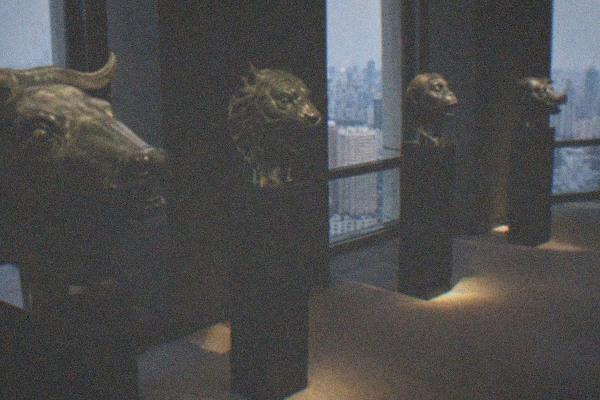
The twelve bronze animal heads of the Old Summer Palace zodiac fountain are among the most recognizable objects ever looted from China. They were designed as part of a European-style water clock fountain in front of the Haiyantang palace, spouting water in sequence to mark the hours, and they were carried off when Anglo-French forces burned the gardens in 1860. More than a century and a half later, several heads have come home, but they did not go back to the ruins they came from. They went into museum cases, and the museum that holds the largest group of them is a private collection on the ninth and tenth floors of an office tower in Dongcheng.
That surprises a lot of visitors. People assume the heads must sit at the Old Summer Palace itself, or at the National Museum, and they plan whole days around the wrong address. This article answers the question directly, then walks through the practical side: what the Poly Art Museum charges, how its reservation works, which day it closes, and how to fold the visit into a day of imperial Beijing without losing your afternoon to a Monday closure.
Which Beijing Museum Has The Old Summer Palace Bronze Zodiac Heads?
The largest group of returned bronze zodiac heads is held by the Poly Art Museum, inside New Poly Plaza at Chaoyangmen North Street in Dongcheng. The museum's collection is built around ancient Chinese bronzes, Buddhist stone carvings, and the repatriated Yuanmingyuan animal heads, so this is the single venue in Beijing where several of the heads are permanently on display to the public.
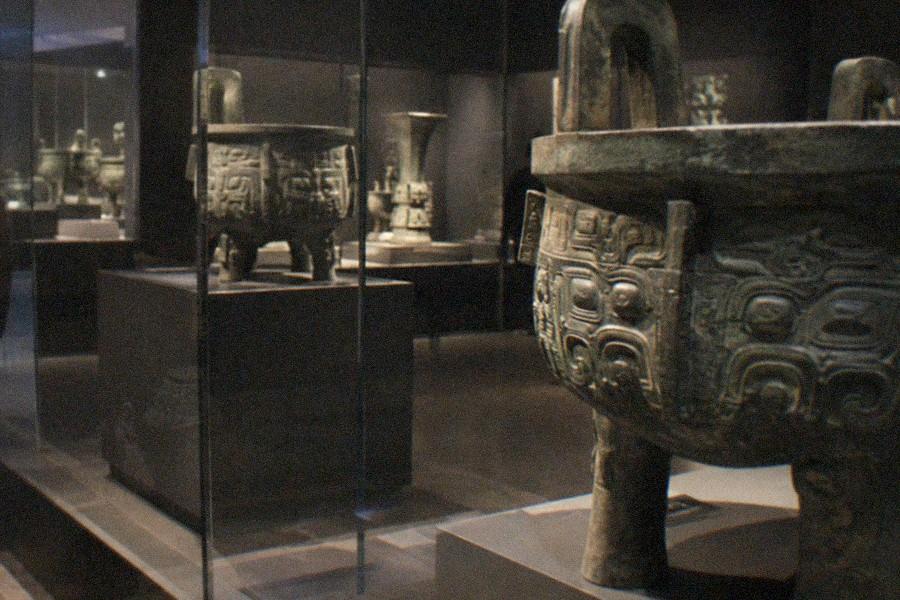
The Poly Art Museum opened in the late 1990s as the exhibition arm of the Poly Group, a state-owned conglomerate whose art collection became one of the most serious assemblages of ancient Chinese bronzes in private hands. When zodiac heads began surfacing at auction in Hong Kong and elsewhere, the Poly Group moved to buy them, and the heads it acquired entered the museum's permanent galleries. The museum's stated collecting themes are bronze, stone carving, and the animal heads taken from the Old Summer Palace fountain, and it treats the heads as the centerpiece of a story about cultural loss and return.
This is worth stating plainly because the answer is genuinely counterintuitive. The Old Summer Palace, the park where the fountain once stood, does not hold the heads. Its grounds are a ruins landscape, and while it is a moving place to walk, you go there for the broken columns of Dashuifa and the Western-style palace shells, not for bronze sculpture in a case. The National Museum of China, for all its scale, is not the zodiac heads museum either. If the heads are your goal, the address is New Poly Plaza, Cloud Building, floors 9 and 10, and the door price is CNY 20.
If the hunt for the heads has fired your interest in imperial Beijing more broadly, three of the city's headline imperial sites can be reserved through the same kind of booking service, and they pair naturally with a Poly visit.
One practical note before the history. The Poly Art Museum is a Tier 2 venue on this site's scale, which means no third-party ticket product exists for it anywhere. You reserve through the museum's own WeChat or Alipay mini-program, called up at least one day ahead, and the reservation is verified against your ID at the door. There is no affiliate shortcut, and honestly none is needed: the door price is CNY 20, which is less than a coffee and a pastry in most of the neighborhoods around Chaoyangmen.
Why Are The Zodiac Heads In A Corporate Museum Instead Of At The Ruins?
The heads that came back to China entered the market through international auctions, and the Poly Group bought several of them at those sales in the early 2000s, placing them in its own art museum rather than at the Old Summer Palace site. The ruins park has no secure gallery building for permanent treasures, so the returned heads live where climate control, cases, and insurance already existed.
The looting itself is the hinge of the whole story. In October 1860, at the end of the Second Opium War, Anglo-French forces entered the Old Summer Palace, looted it over several days, and then burned it on the orders of Lord Elgin. The zodiac heads were torn from the fountain and dispersed into the European art market. Some vanished for a century. Others passed through private collections, and a few resurfaced at auction in the late 1980s and 1990s, which is when Chinese institutions and state-linked buyers began pursuing them deliberately. The Poly purchases in 2000 were among the most publicized repatriations, and they made the museum the natural home for the heads it had bought back.
The pattern since then has been mixed. Some heads have been bought at auction and donated to the state, some have been gifted, and the locations of the full set of twelve are not all publicly accounted for. That is why the honest answer to "where are the heads" is a museum-by-museum story rather than a single address. The Beijing municipal government's English-language museum pages track major collection news, and the Old Summer Palace's own visitor information, published through the city's tourism channels, covers the ruins park side of the story at the Visit Beijing attraction page for Yuanmingyuan.
For a visitor, the split matters because it shapes your day. The heads are in a tower in Dongcheng. The fountain they decorated is a crater in Haidian. Doing both in one day is entirely possible, they are about an hour apart by subway, but they are two different experiences: one is a curated gallery visit of twenty minutes to an hour, the other is a long outdoor walk through a landscaped park. Planning them as a pair, with the gallery in the morning and the ruins in the afternoon, is the sequence most visitors enjoy most.
Since a full imperial-Beijing day usually includes more than one site, and since several of the biggest ones require advance reservations that open on fixed schedules, it helps to settle your bookings before you settle your walking route.
A short comparison of the three places most often tangled up with the heads story:
| Venue | What it holds from the story | Door price | Reservation | Closed |
|---|---|---|---|---|
| Poly Art Museum (Dongcheng) | Returned bronze zodiac heads in permanent galleries | CNY 20 | Yes, at least 1 day ahead | Sunday and statutory holidays |
| Old Summer Palace / Yuanmingyuan (Haidian) | The ruins of the Haiyantang fountain site where the heads stood | CNY 10 | Required, window not published | Not published |
| National Museum of China (Dongcheng) | General Chinese history galleries, no permanent zodiac head display | Free | Yes, 7 days ahead at 17:00 | Monday (except statutory holidays) |
How Do You Get Into The Poly Art Museum To See The Heads?
Entry costs CNY 20 at the door, and the museum asks for an online reservation made at least one day ahead through its WeChat or Alipay mini-program. Passport holders can visit: the museum explicitly accepts reservation verification against passport ID. The museum closes on Sundays and statutory holidays, which is the opposite of most Beijing museums.
The Sunday closure catches people out constantly, and it deserves its own sentence. Nearly every national and municipal museum in Beijing closes on Monday, a rule so consistent that this site built a whole guide around it, and visitors naturally assume a Sunday visit is safe. Poly is the exception that proves the rule wrong: it shuts on Sunday and statutory holidays and runs a normal week otherwise. If you are planning a weekend around the heads, Saturday is your day, and Sunday belongs to the Palace Museum or the Summer Palace, both of which open seven days and close only Monday aside from holiday exceptions. The full index of guides sits on Beijing Museums.
The reservation itself is light. The museum's mini-program takes your name and ID details, you pick a day at least one ahead, and you show the matching document at the desk on floor 9. Reports on the museum's entry rules note that some same-day offline entry is possible with building registration when capacity allows, but treating the online reservation as mandatory is the safe assumption, especially on weekends and around holidays when the heads gallery draws school groups. The building's security desk at New Poly Plaza is the first checkpoint; the museum itself is up in the Cloud Building on floors 9 and 10, so allow a few minutes for lobby security on your way in.
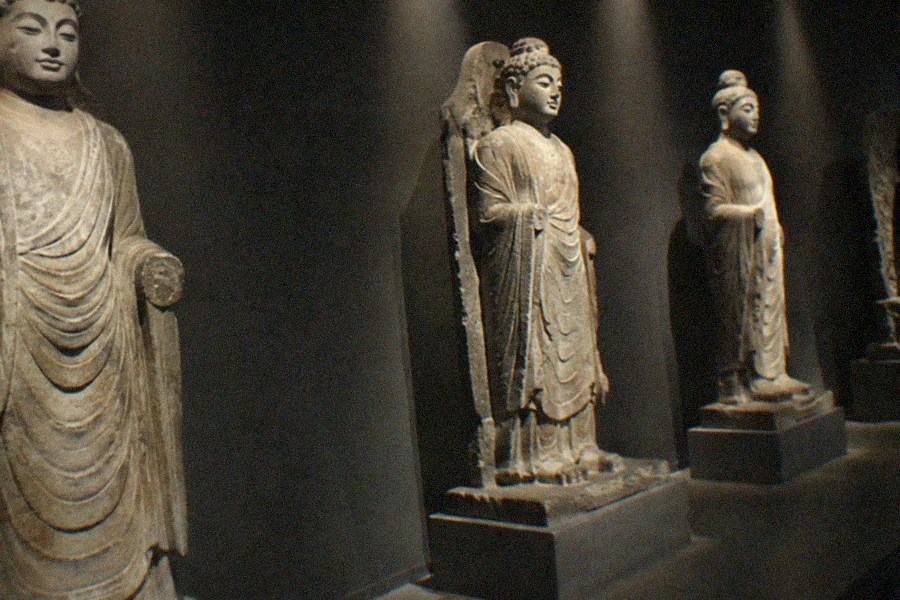
What you get for CNY 20 is a compact but dense collection. The bronze galleries hold ritual vessels spanning a huge stretch of Chinese metallurgical history, the stone carving galleries hold Buddhist sculpture, and the zodiac heads sit in their own dedicated space as the museum's signature pieces. The whole visit runs comfortably in an hour, which makes Poly one of the best short stops in central Beijing: it slots neatly before lunch in Dongcheng, or after a morning at the Lama Temple, which is a short subway ride north on the same line.
The Lama Temple, for that matter, is a natural pairing in the other direction. It is not strictly a museum, it is a working Tibetan Buddhist temple complex, but its halls and courtyards are the closest thing in the neighborhood to the imperial-architecture mood of the Old Summer Palace story, and its own entry is a real admission product: door price CNY 25, reservation required, opening 7 days ahead, rating 4.5 across 158 reviews.
What Is Left To See At The Old Summer Palace Itself?
The Old Summer Palace is a landscaped ruins park, and what remains of the Western palaces and the Haiyantang fountain site is broken stone: carved column stumps, marble fragments, and the famous Dashuifa ruins arranged as a memorial to the 1860 destruction. Entry costs CNY 10 at the door, and a reservation is required.
Walking the ruins after seeing the heads changes how both feel. In the gallery, the heads are triumphs: rescued, polished, spotlit, framed by a story of return. At the Haiyantang site, the absence is the exhibit. The fountain's footprint and the surviving carved remnants sit in a park that is otherwise lakes, willows, and reconstructed Chinese garden landscapes, and the contrast between the serene grounds and the shattered Western-style stonework is the point the park's custodians have deliberately preserved. You can read more about what survives and how to structure a visit in the companion piece what is left to see at the Old Summer Palace.
Practically, the park is in Haidian, adjacent to the Peking and Tsinghua university campuses, and it is usually visited alongside its neighbor the Summer Palace, which is the surviving imperial garden the court retreated to and rebuilt after 1860. The two parks share a district and a history but not a mood: Yuanmingyuan is somber and half-wild, the Summer Palace is a masterpiece of restoration, its Long Corridor, lake, and hill complexes drawing the biggest crowds of any imperial site in the city. The Summer Palace's inner halls, such as the Tower of Buddhist Incense, close on Monday except public holidays, and its entry is a real admission product starting from $14 with a rating of 4.7 across 1,144 reviews. If you want the full breakdown of ticket options at the lake, see what a Summer Palace through ticket includes.
One more planning fact that belongs here and nowhere else: the Forbidden City's own booking window opens 7 days ahead at 20:00 Beijing time, and the Palace Museum states plainly that it has authorized no third-party institutions or individuals to act as ticket agents and sells no same-day tickets at all. The reservation products this site links for the Forbidden City are booking services that make the official reservation under your passport details, refundable if the official quota sells out first. The museum's own visitor information, including its official warnings about unauthorized sellers, is published at the Palace Museum's visit page. The quota is capped, popular dates sell out, and no daily cap figure is published, so treat a seven-day-out booking as the plan rather than the fallback.
Can You Build A Whole Day Around The Zodiac Heads Story?
Yes, and the cleanest version is a two-borough day: the Poly Art Museum in Dongcheng in the morning, the Lama Temple or the Confucius Temple nearby at midday, then subway Line 4 west in the afternoon for the Old Summer Palace ruins and the Summer Palace lake, with the heads gallery and the fountain site as the two bookends.
The morning half is compact. Poly opens into a quiet office-tower lobby, and an hour covers the heads and the bronze galleries with time to spare. From New Poly Plaza, the Lama Temple is a few stops north, and the Confucius Temple and Imperial College Museum, door price CNY 30, reservation at least 1 day ahead, closed Monday except public holidays, is a short walk from the Lama Temple's gate. Doing either of those turns the morning into a proper Dongcheng circuit without any backtracking.
The afternoon half is about legs, not logistics. Line 4 runs from the Lama Temple area toward Haidian, and the Old Summer Palace and Summer Palace stations sit within walking distance of their respective park gates. Most visitors give the ruins park two hours and the Summer Palace two to three, which makes for a full but not brutal day, and the return trip on Line 4 drops you back in Dongcheng for dinner. In summer, flip the order and do the outdoor parks first to catch the lake in daylight, saving the air-conditioned galleries for the hot afternoon hours.
If you are visiting across a whole week rather than a day, the Beijing Museum Pass deserves a look: the 2026 edition covers roughly 140 venues at CNY 120 and admits two people across the year, and it is a pocket book rather than an app, usable by anyone holding it. It will not cover the Poly Art Museum's every day, and it does not replace reservations where reservations are required, but for a museum-heavy itinerary it is one of the better-value planning tools in the city. The municipal announcement of the 2026 edition is at the Beijing government's museum pass launch page.
Common Questions About The Bronze Zodiac Heads In Beijing
Which Beijing Museum Has The Old Summer Palace Bronze Zodiac Heads?
The Poly Art Museum, on floors 9 and 10 of the Cloud Building at New Poly Plaza in Dongcheng, holds the largest group of returned heads in permanent public display in Beijing. Entry is CNY 20 with a reservation made at least one day ahead.
Can you see the zodiac heads at the Old Summer Palace ruins?
No. The ruins park preserves the fountain site and the broken Western-style palace stonework, but the returned bronze heads are displayed in museums, chiefly the Poly Art Museum. The park is worth visiting for the ruins themselves.
Is the Poly Art Museum free?
No, general admission is CNY 20 at the door, with discounts and free entry for eligible groups such as seniors, students, and visitors with disabilities. A reservation through the museum's own mini-program, made at least one day ahead, is the standard route in.
What day is the Poly Art Museum closed?
Sunday and statutory holidays. This is the opposite of most Beijing museums, which close Monday. If you are planning a weekend around the heads, go on Saturday.
Do all twelve zodiac heads survive?
The full set of twelve has not been publicly accounted for. Several heads have been repatriated through auction purchases and donations since 2000, and the Poly Art Museum holds a group of them, but the whereabouts of every head are not all publicly confirmed.
Can I combine the heads with the Summer Palace in one day?
Yes. The Poly Art Museum visit takes about an hour in Dongcheng, and Line 4 connects toward Haidian, where the Old Summer Palace ruins and the Summer Palace sit near adjacent stations. Most travelers do the gallery in the morning and the parks in the afternoon.
If the story of the heads has sold you on a day of imperial Beijing, these three reservation-backed entries cover the classic pairings: