Confucius Temple and Imperial College Museum
Dongcheng
from $12 per person, live price on the listing Check availability →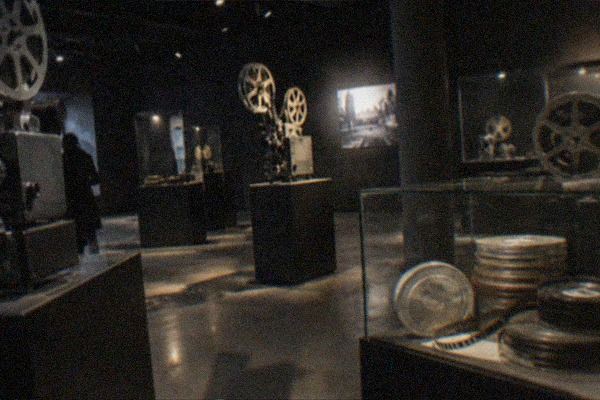
Free entry, no ticket needed.
Plan your visit →Opens the museum's own visitor page. There is nothing to book: the permanent collection is free.
The China National Film Museum stands at 9 Nanying Road in Caochangdi, in Beijing's Chaoyang District, and it is built around one idea: a century of Chinese cinema told through its machines, its studios and its screens. Exhibition halls walk visitors from the earliest shadow-play traditions and silent-film projectors through the golden-age studios to the digital era, with working equipment, set reconstructions and screening spaces threaded through the building. General admission costs nothing. What stands between a visitor and the door is not a ticket price but a timed, real-name reservation made through the museum's WeChat channel, with daily quotas and a limited same-day allocation. The museum closes on Mondays, except holidays. This page sets out what is free, what is not, and exactly how the reservation system works.
The China National Film Museum is a history-and-culture museum in Chaoyang District dedicated to Chinese cinema: its production technology, its studios, its landmark films and the craft of filmmaking itself. Entry to the permanent exhibition halls is free, and the collection spans early projection equipment, costume and set displays, and galleries tracing film production from silent reels to digital.
The museum sits in Caochangdi, a north-eastern Beijing neighbourhood better known for contemporary art galleries and studios than for tourist crowds, and that setting shapes the visit. This is not a museum on a plaza beside a subway exit; it is a purpose-built film museum reached through a district of low-rise courtyards, and most visitors arrive by taxi, ride-hail or a longish walk from public transport. The building itself is one of the largest film museums in the world by floor area, and the exhibition route is designed as a chronological walk through Chinese film history.
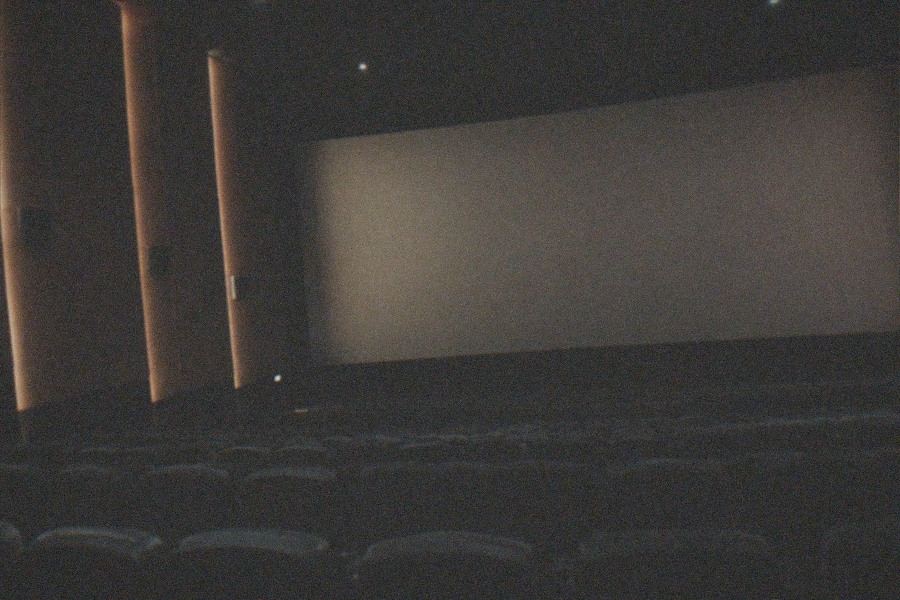
Visitors move through galleries on the origins of Chinese motion pictures, the machinery of projection and sound, the studio system, animation, documentary film and the technical trades of the industry, from cinematography and editing to set construction and costume. Interspersed are screening spaces, which the museum uses for film programming; screenings there are a separate transaction from the free permanent galleries and are ticketed on their own terms. Anyone planning a visit around a specific screening should treat it as its own purchase, not as part of free entry.
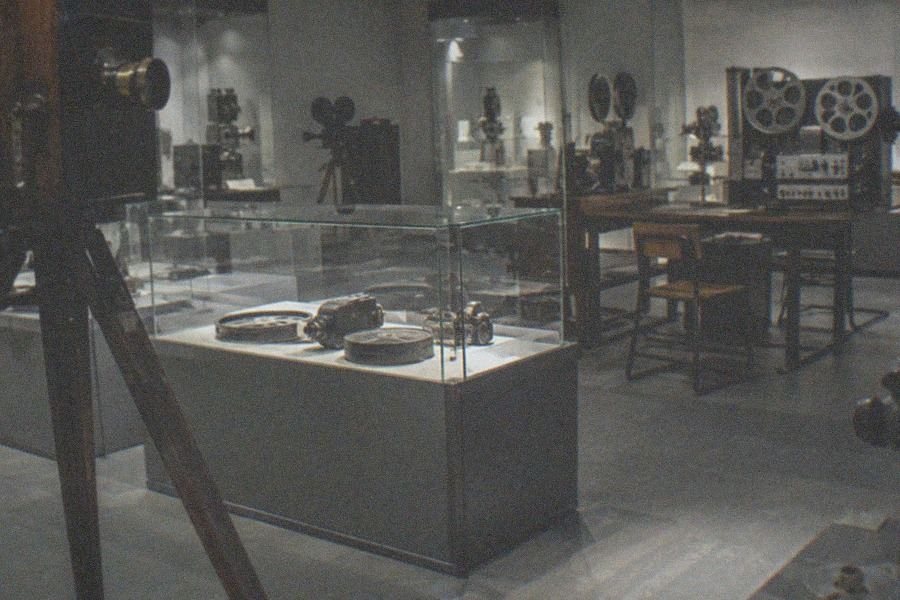
For visitors building a Beijing itinerary around the city's major state museums, the film museum pairs naturally with the National Museum of China for national history, or the Military Museum of the Chinese People's Revolution for a different state-collection experience, both of which are also free with their own reservation systems. The film museum is the quieter of these and, because of its Caochangdi location, usually the least crowded.
Yes. General admission to the China National Film Museum is free: the door price is CNY 0, and there is no paid ticket to skip. What is not free is everything around the visit, the timed reservation, any parking, and any special exhibition or screening the museum runs alongside its permanent galleries.
Free admission in Beijing almost never means walk-in entry, and this museum is a textbook case. Entry is free and simultaneously reservation-based: the museum operates daily quotas on its reservation channel, and a limited same-day allocation exists for visitors who did not book ahead. That same-day pool is finite, and on busy days, weekends and holidays in particular, it can run out. Free, in practice, means free with a booked time slot.
| Item | Price / Status |
|---|---|
| General admission (permanent exhibitions) | Free (CNY 0) |
| Reservation | Required, via the museum's WeChat channel |
| Same-day entry | Limited same-day allocation, subject to daily quotas |
| Screenings and special exhibitions | Separately ticketed, not part of free entry |
The honest cost of a visit here is logistical rather than financial. There is no ticket to buy, but there is a slot to secure, and the reservation channel is a WeChat account rather than a public web ticket page. Visitors without WeChat installed, or without a Chinese mobile number linked to it, should sort that out before the day of the visit rather than at the door. The Beijing municipal government's English-language museum pages carry the museum's current visitor information and are the right place to confirm arrangements before travelling out to Caochangdi.
For comparison with other free Beijing museums covered on this site, the Confucius Temple and Imperial College Museum charges admission, while the National Museum of China and the Military Museum are free-with-reservation venues like this one, each with its own booking window and release times.
Reservation is made through the museum's WeChat account, not through a public website ticket page. The booking window, how many days ahead slots open and what time of day they release, is not published by the museum. Entry is quota-based, and a limited same-day allocation exists.
This is the single most important practical fact about visiting, so it deserves plain language. The China National Film Museum does not sell tickets through a web checkout that a foreign visitor can complete with a card. Its reservation system runs inside WeChat, China's dominant messaging and payments app, and the reservation is real-name: it is tied to the identity document the visitor will present at entry. The museum has an English-language presence through the municipal government's channels, and the official Beijing government museum page for the venue is the authoritative English-language reference for its current arrangements.
Because the window is not published, no honest page can tell a reader to book exactly N days ahead at a specific hour. What can be said is this: the museum is reservation-based with daily quotas, it holds back a limited same-day allocation, and the reliable strategy is to reserve as far in advance of the intended visit as the channel allows, and to treat the same-day pool as a fallback rather than a plan. Weekend and holiday dates are the ones where quotas bite hardest.
Visitors who cannot complete a WeChat reservation themselves, because of the app's registration requirements or a lack of a Chinese mobile number, have a few realistic options: a hotel concierge or a local contact can often complete the real-name booking with the visitor's passport details, provided the visitor brings the matching document on the day. The reservation and the document shown at the gate must match, exactly as they do at every real-name venue in Beijing. Nothing about the passport question at this specific venue has been confirmed in the site's research, so no claim is made here about which document types the WeChat channel accepts; what is certain is that the reservation exists and that it gates a nominally free visit.
The same discipline applies at Beijing's other free state museums. The National Museum of China opens its window seven days ahead at 17:00, the Military Museum releases slots up to eight days ahead at multiple times of day, and the National Art Museum of China opens seven days ahead at 16:00. Each museum runs its own system; a booking habit learned at one does not transfer automatically to another.
The China National Film Museum is closed on Mondays, except public holidays. It is open the rest of the week, and because entry is timed and quota-based, the visit is shaped by the reserved slot rather than by a long open-ended day. Allow roughly half a day door-to-door from central Beijing.
The Monday closure is the most expensive planning mistake available at this museum, as it is across most of Beijing's museum sector. The exception clause matters: on statutory holidays, when Monday falls inside a holiday period, the museum generally opens, and holiday Mondays are among its busier days because every other visitor has the same idea. Anyone visiting during Golden Week or the New Year period should expect the daily quota to be the binding constraint, not the door price, which remains zero.
| Fact | Detail |
|---|---|
| Area | Chaoyang District |
| Address | 9 Nanying Road, Caochangdi, Chaoyang District, Beijing |
| Closed day | Monday (except holidays) |
| Admission | Free (CNY 0) |
| Reservation required | Yes, via WeChat; window not published |
| Same-day entry | Limited same-day allocation within daily quotas |
| Time to allow | Roughly half a day including travel from central Beijing |
Opening hours for the venue are not carried in this site's verified record, so none are stated here. What is verifiable and worth planning around is the rhythm of the visit: the exhibition route is long, the building is large, and the journey out to Caochangdi and back adds real time. Visitors who reserve a morning slot and arrive at opening time get the calmest galleries; afternoon slots in high season compete with the same-day allocation crowd.
Pairing the visit with another museum on the same day is possible but tight, because of the location. A morning at the film museum followed by an afternoon in Dongcheng at the Confucius Temple and Imperial College Museum, or a full day split between the National Museum of China and a walk on the central axis, are the realistic combinations. Attempting the film museum and a Haidian venue in one day is not.
The museum is at 9 Nanying Road in Caochangdi, Chaoyang District, in Beijing's north-east. There is no immediately adjacent subway station in this site's verified record, so the practical choices are taxi or ride-hail door-to-door, or subway plus a walk or short transfer, planned on the Beijing subway network.
Caochangdi is an art-and-studio district, and its street grid rewards visitors who know the exact address rather than a landmark. Ride-hail apps and taxis can be given the address directly, and this is the simplest option for visitors with luggage, children or limited time. For those using the subway, the Beijing Subway's official network site is the tool for planning the route, since the museum's nearest station is not recorded in this site's verified research and routes in the Caochangdi area depend on which direction a visitor is coming from. Checking the current network map before setting out is worthwhile because north-east Chaoyang lines have been extended in recent years and the most convenient access point may have changed.
Two practical warnings for the journey. First, allow for traffic: the drive from central Beijing to Caochangdi can take materially longer at peak hours than the distance suggests, and a reserved time slot does not move because of a jam on the airport expressway corridor. Second, parking at the museum is not part of the free admission, drivers should expect to pay for parking as a separate cost, and the free entry covers the galleries only. Cyclists and e-bike riders will find the district flat and navigable, and in good weather the ride from the nearest art-zone landmarks is straightforward.
Visitors combining the film museum with gallery-hopping in Caochangdi or the 798 Art Zone should note that the two districts are separate trips in practice, a few kilometres apart, and that a same-day plan covering both is feasible by taxi but punishing on foot. A cleaner plan is the film museum in the morning, lunch in the district, and galleries or a return to central Beijing afterwards.
Four things decide whether a visit to the China National Film Museum works: the WeChat reservation, the Monday closure, the travel time to Caochangdi, and the fact that free entry covers the permanent galleries only. Get the reservation right and the rest of the visit costs nothing at the door.
The reservation deserves the most preparation. Because the booking window and release times are not published, the workable approach is to attempt the reservation as early as the WeChat channel permits for the intended date, and to have the same-day allocation as a contingency, not as the plan. Visitors relying on a hotel concierge or local contact should hand over passport details in advance and confirm the booking is real-name matched before the day. On the day itself, bring the exact document used for the reservation; a mismatch between the booking and the document at the gate is the most common way a free visit fails at the door.
Timing matters second. A Monday arrival, outside holidays, finds the museum closed, and no same-day allocation or free entry changes that. Holiday Mondays invert the problem: the museum opens, but so does everyone else's plan, and the quota fills first. Midweek mornings are the calmest slots in the week.
Third, budget the journey honestly. Caochangdi is not a museum quarter; it is an out-of-the-way art district, and the round trip from central Beijing plus a full exhibition route is a half-day commitment. Visitors who treat the museum as a quick stop between central-Beijing sights will be rushed and will likely miss the screening and technology galleries that make the venue worth the trip.
Finally, keep the free-entry boundary clear in your head. The permanent exhibitions cost CNY 0. Screenings, special exhibitions and parking are separate transactions, and buying any of them is optional, not required for entry. That is the whole honest picture: a genuinely free museum whose only gate is a WeChat booking, a closed Monday, and a long ride out to Caochangdi. Visitors who want a comparison of how Beijing's other free museums handle the same problem, the National Museum of China and the Military Museum pages on this site set out their windows and release times in the same plain terms.
Yes. General admission is free, with a door price of CNY 0. Free entry covers the permanent exhibition galleries. Screenings, special exhibitions and parking are separate transactions and are not included in free admission.
Yes. Entry is reservation-based through the museum's WeChat account, with daily quotas and a limited same-day allocation. The booking window and release times are not published by the museum, so reserve as far ahead as the channel allows and treat same-day entry as a fallback.
No. The China National Film Museum admits visitors through a WeChat account rather than a public web ticket page. There is no web checkout for general admission. The Beijing government's English museum pages carry the venue's current visitor information as a reference.
The China National Film Museum is closed on Mondays, except public holidays. When a Monday falls inside a statutory holiday period the museum generally opens, and those days are typically busy because the daily quota fills quickly.
The museum is at 9 Nanying Road, Caochangdi, Chaoyang District, Beijing, in the north-east of the city. It sits in an art-and-studio district rather than a central museum quarter, so most visitors arrive by taxi, ride-hail or subway plus a walk, and should allow roughly half a day for the round trip and the exhibition route.
Roughly half a day door-to-door from central Beijing, including travel to Caochangdi. The building is large and the exhibition route through Chinese film history and film technology is long, so a rushed stop will skip the galleries that justify the trip.
Screenings in the museum's screening spaces, special exhibitions and parking are all separate from the free permanent galleries. None of them is required for entry; free admission stands on its own with a valid reservation.
The museum holds a limited same-day allocation within its daily quotas, so unreserved visitors can sometimes enter, but the pool is finite and on weekends and holidays it can run out. Arriving early improves the odds, but a same-day slot is a contingency rather than a reliable plan.
Dongcheng
from $12 per person, live price on the listing Check availability →