China Railway Museum, Dongjiao Exhibition Hall Tickets
Current admission is on the museum's own ticket page.
Visitor info →Opens the museum's own website. Book on the official site; nothing is charged on this page.
- Area
- Chaoyang
- Theme
- Niche & specialist
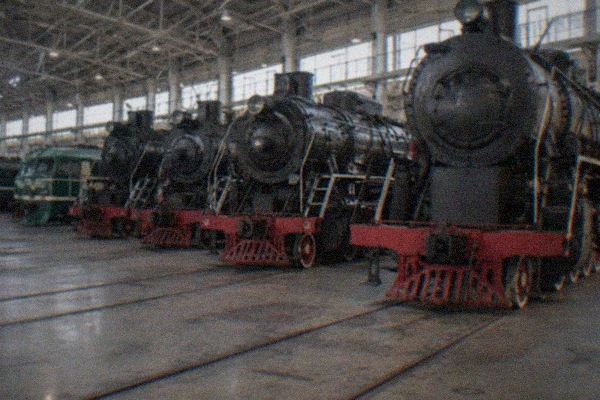
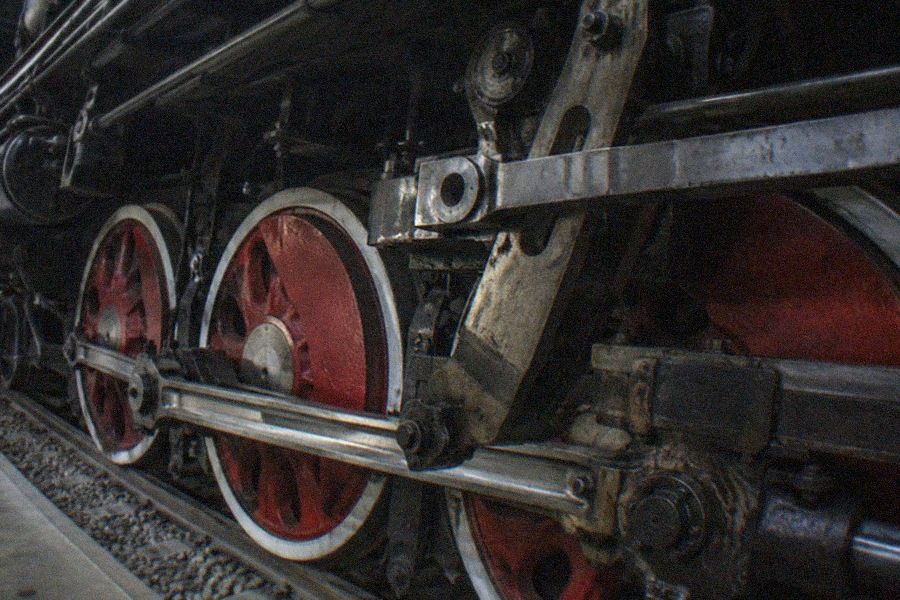
The Dongjiao Exhibition Hall is the Chaoyang home of the China Railway Museum, a specialist museum given over entirely to railway history, locomotives and vehicles. Its exhibition hall is built around full-size rolling stock rather than glass cases: the theme is machines you walk up to, walk around and look up at, set in a district better known for electronics and art galleries than for steam. Admission is CNY 20 at the door, the hall closes on Mondays except statutory holidays, and it sits at 1 Jiuxianqiao North Road in Beijing's northeast. This guide sets out what is published about tickets, reservations, opening days and getting there, and flags plainly what is not.
What Is The China Railway Museum Dongjiao Exhibition Hall?
The Dongjiao Exhibition Hall is the Chaoyang branch of the China Railway Museum, a specialist museum whose collection and displays are devoted to railway history, locomotives and vehicles. It is a paid venue, not a free one: admission is CNY 20 at the door. It stands at 1 Jiuxianqiao North Road in Chaoyang District, in Beijing's northeast, and it closes on Mondays except statutory holidays.
Beijing's museum landscape is dominated by imperial palaces and national galleries, and the China Railway Museum is the counterweight to all of that. It is one of a small number of specialist museums in the city, in the same category as the Beijing Auto Museum out in Fengtai: a single-subject institution built for people who care deeply about one thing. Here that thing is the railway. The Dongjiao Exhibition Hall is the branch of the museum that carries the locomotive and vehicle side of the story, and its display halls are scaled for machinery rather than for scroll paintings. Where the Palace Museum (Forbidden City) asks you to slow down and read a room, a railway hall asks you to stand next to something with wheels, a boiler and a hundred years of engineering behind it.
The venue sits in a part of Chaoyang that most visitors reach for other reasons. Jiuxianqiao is an area of former electronics factories, studio compounds and the 798 Art Zone a short distance to the north, which makes the museum an easy pairing with a gallery day in the district. It is also within the same broad corner of the city as the China Science and Technology Museum over by the Olympic Green, so a family with a full day in northeast Beijing can reasonably combine a technology museum in the morning with locomotives in the afternoon.
One planning note belongs high up the page rather than buried at the bottom. The hall paused visits for maintenance from 1 December 2025, with reopening reported afterwards. If your trip falls close to that period, treat the open status as worth confirming before you travel across the city. The Beijing government's page for the museum at https://www.beijing.gov.cn/renwen/rwzyd/bwg/zgtdbwgsjzg/202301/t20230113_2899208.html is the listing that carries the museum's details, and it is the reference point for this guide's facts.
How Much Do Tickets Cost?
Admission is CNY 20 at the door. That is the standard adult price for this exhibition hall, and it is the only ticket figure the venue publishes. The museum is not free, and there is no verified discount, concession or combined-ticket price in circulation for it, so plan on the flat CNY 20 figure.
Twenty yuan puts the Dongjiao Exhibition Hall at the affordable end of Beijing's paid museums. For comparison within this directory, the China Science and Technology Museum charges CNY 30 for its main hall, the Beijing Auto Museum charges CNY 30, and the Palace Museum (Forbidden City) charges CNY 60 in peak season. At CNY 20, the railway museum costs about the same as the Beijing Ancient Observatory and the Paleozoological Museum of China, and less than most of the large state museums that charge admission.
The price is a door price, in Chinese yuan, paid at the venue. It is not a converted figure and not a third-party booking price, and this page does not mix the two. The Beijing government's page for the museum, https://www.beijing.gov.cn/renwen/rwzyd/bwg/zgtdbwgsjzg/202301/t20230113_2899208.html, is the listing that records the museum's details for the city, and the CNY 20 admission figure here matches what that record carries.
| Ticket | Price |
|---|---|
| Adult admission (at the door) | CNY 20 |
| Free entry | No |
| Advance reservation requirement | Not published |
Two things follow from that table. First, this is a cheap museum by any Beijing standard, so the cost of the ticket will not shape your day; the closed day and the journey out to Jiuxianqiao will. Second, because no concession prices are published for this venue, there is nothing responsible to say about student, senior or child rates. Where a figure exists, this page states it; where none exists, it does not guess one, and a plausible-sounding discount invented for convenience would be worse than a gap.
Do You Need A Reservation To Visit?
No advance-reservation requirement, booking window or release time is published for the Dongjiao Exhibition Hall. The venue does not state how many days ahead a booking window opens, or whether one operates at all. That is a genuine gap in what is published, and this guide will not fill it with an invented number.
This matters more in Beijing than in almost any other museum city, because the reservation system is the default way Beijing museums manage entry. Of the 31 venues this directory covers, 22 require an advance real-name reservation, and only 6 take genuine walk-ups. The pattern is so strong that visitors reasonably assume every venue in the city works the same way: pick a date, watch a booking window open at a fixed hour, and compete for a daily quota. The free museums are the strictest of all, because a CNY 0 ticket with a capped quota is the most contested object in the system.
The Dongjiao Exhibition Hall sits outside that pattern as far as anything published shows. Its admission is paid, at CNY 20, and no reservation window, release time or quota is published for it. That is different from a venue that publishes a window, and different again from a venue that confirms walk-up entry. The honest reading is that nothing is confirmed in either direction, so the practical planning move is simple: go expecting to pay CNY 20 at the door, avoid Monday, and leave slack in your day in case entry is managed at the gate on the day you arrive.
Do not transfer the rules of the big museums onto this one. The National Museum of China runs a strict timed reservation with a published release schedule, and the Palace Museum (Forbidden City) sells no same-day tickets at all. Neither fact tells you anything about a specialist railway hall in Jiuxianqiao. Treat each venue's own published rules as the only rules that apply, and treat an unpublished rule as a reason to plan with margin, not as a reason to assume the strictest case.
The Beijing government's page for the museum, https://www.beijing.gov.cn/renwen/rwzyd/bwg/zgtdbwgsjzg/202301/t20230113_2899208.html, is the listing to weigh against anything you read elsewhere, including this page. If a reservation scheme is introduced or a booking window is announced, that is where it would be recorded first.
When Is It Open And When Is It Closed?
The Dongjiao Exhibition Hall is closed on Mondays, except statutory holidays. That is the one scheduling rule it publishes, and it is the rule most likely to wreck a plan if missed. No daily opening hours or last-entry time are published for this venue, so this page states none.
The Monday closure is close to universal across Beijing's museums, and it is the single most expensive planning mistake a visitor to the city can make. The National Museum of China, the China Science and Technology Museum and the Palace Museum (Forbidden City) all close on Mondays, with the same exception for statutory holidays. The logic of the exception is that when a public holiday falls on a Monday, the museums stay open and take the holiday crowd instead. If your trip coincides with a Chinese public holiday, a Monday visit may be possible; on an ordinary Monday, it is not.
What this page will not do is supply opening hours. The venue does not publish them, and inventing a plausible 9-to-5 would be exactly the kind of comfortable error that sends someone across the city to a locked gate. What is published is the closed day, the address, the admission price and the theme, and those four facts are enough to build a plan around: any day but Monday, CNY 20, Jiuxianqiao North Road.
| At A Glance | Detail |
|---|---|
| Area | Chaoyang District, northeast Beijing |
| Address | 1 Jiuxianqiao North Road, Chaoyang District, Beijing |
| Closed day | Monday (except statutory holidays) |
| Admission | CNY 20 at the door |
| Advance reservation | Not published |
| Time to allow | Around two hours |
The maintenance pause noted earlier belongs in any timing conversation as well. The hall paused visits from 1 December 2025 for maintenance, with reopening reported afterwards, so a visit planned near that date carries more uncertainty than a visit planned well away from it. Build your northeast-Beijing day with the railway museum as one stop among several rather than the single purpose of the trip, and the closed Monday, the unpublished hours and the maintenance history all stop being risks and become ordinary logistics.
How Do You Get To The Dongjiao Exhibition Hall?
The museum stands at 1 Jiuxianqiao North Road, Chaoyang District, in northeast Beijing. No nearest subway station is published for this venue, so this page names none. The Beijing Subway network covers the district, and the journey is a cross-city one from central Beijing, so allow real travel time on top of your visit.
Chaoyang is Beijing's largest district by visitor footprint, holding the Olympic Green venues, Sanlitun, the 798 Art Zone and a long stretch of the embassy area, and Jiuxianqiao sits in its northeastern interior. The museum's neighbours are more industrial and artistic than imperial: this is former factory territory, and the art zones that grew out of those factories are the reason most foreign visitors find themselves in this part of the city at all. A railway museum fits that landscape better than it first sounds, because the district's history is a history of infrastructure, and the museum is a piece of it.
For the journey itself, the Beijing Subway is the tool most visitors will use, and the network's own site at https://www.bjsubway.com/ carries the current line map, station list and fare information you need to plot a route to the Jiuxianqiao area from wherever you are staying. Because no specific station is published for this venue, the practical approach is to plan your route to the district and leave a short taxi or bike leg for the last stretch to Jiuxianqiao North Road. Taxis and ride-hailing apps work across the whole district, and the address is simple enough to hand to a driver directly: 1 Jiuxianqiao North Road, Chaoyang.
Distance is the real cost here, not money. From the Palace Museum (Forbidden City) or the National Museum of China on the central axis, you are crossing most of the city to reach Jiuxianqiao, which is the strongest argument for pairing the railway museum with other northeast-Beijing stops rather than making it a lone destination. The China Science and Technology Museum near the Olympic Green is the natural sibling: same district, same specialist-technology spirit, and a combination that turns two out-of-the-way visits into one coherent day.
How Long Should You Spend And What Else Is Nearby?
Allow around two hours for the Dongjiao Exhibition Hall. That is a planning allowance for a specialist single-subject museum at CNY 20 admission, not a published figure, and it is enough to walk the locomotive and vehicle displays at a normal pace without rushing the rest of your day.
A specialist museum rewards depth of attention rather than endurance. The great general museums of Beijing, the National Museum of China and the Palace Museum (Forbidden City), can absorb a full day each and still leave most of their collections unseen. A railway hall works differently: it has a defined subject, a defined set of machines, and a visitor who leaves after two hours has genuinely seen the museum rather than sampled it. If you are travelling with a rail enthusiast, budget more, because the objects on display are the kind that reward standing still and looking at detail.
The neighbourhood does the rest of the day for you. Jiuxianqiao and the land immediately north of it hold the 798 Art Zone, Beijing's best-known concentration of contemporary galleries, and the district's factory-era streetscape is itself part of the visit. The China Science and Technology Museum at the Olympic Green is the other strong pairing, particularly for families, since one venue covers interactive science and the other covers industrial history, and both speak to the same kind of curiosity. A realistic northeast-Beijing day runs technology in the morning, lunch in the art zone, and locomotives in the afternoon, with the Monday closure of both museums as the only fixed constraint.
Two closing facts carry the whole plan. Admission is CNY 20 at the door, and the hall is closed on Mondays except statutory holidays, with a maintenance pause that began on 1 December 2025 and reopening reported afterwards. Everything else, the reservation question, the hours, the nearest station, is unpublished, and the discipline of this page has been to say so plainly rather than to smooth it over. Plan on those two facts, keep your Monday free for the parks, and the China Railway Museum's Dongjiao Exhibition Hall is one of the more rewarding specialist visits in the directory.
Questions People Ask
How much does it cost to visit the China Railway Museum, Dongjiao Exhibition Hall?
Admission is CNY 20 at the door. That is the standard adult price and the only ticket figure the venue publishes. There is no verified concession or discount price for this museum, so plan on the flat CNY 20 figure and nothing else.
Is the museum free?
No. Unlike many Beijing museums, which are free but require an advance real-name reservation, the Dongjiao Exhibition Hall charges admission: CNY 20 at the door. It is one of the cheaper paid museums in the city, costing less than the CNY 30 main hall at the China Science and Technology Museum.
Is it open on Mondays?
No. The museum is closed on Mondays, except when a statutory holiday falls on a Monday. This matches the pattern at most major Beijing museums, including the National Museum of China and the Palace Museum, so keep Mondays in Beijing for parks rather than museums.
Do I need to book tickets in advance?
No advance-reservation requirement, booking window or release time is published for this venue. That is a genuine gap in what is published, not a confirmation that walk-up entry works. The practical approach is to plan on paying CNY 20 at the door and to allow some slack in your day.
Where is the Dongjiao Exhibition Hall located?
It is at 1 Jiuxianqiao North Road, Chaoyang District, in northeast Beijing. The area is known for its factory heritage and the nearby 798 Art Zone. It is a cross-city journey from the central-axis museums, so pair it with other northeast-Beijing stops.
How long should I allow for a visit?
Around two hours. That is a planning allowance for a specialist single-subject museum, not a published figure. Rail enthusiasts will want more time, since the displays are locomotives and vehicles that reward close attention rather than a quick walkthrough.
Does the museum have its own website?
No. The museum has no website of its own. The Beijing government's page for the museum carries its listing, including the address, the CNY 20 admission and the Monday closure, and that government page is the reference this guide uses.
What are the opening hours?
No daily opening hours or last-entry time are published for this venue, so none are stated here. What is published is the closed day: Monday, except statutory holidays. Plan for any day but Monday and allow flexibility around arrival time.