Beijing Auto Museum Tickets
Current admission is on the museum's own ticket page.
Official tickets →Opens the museum's own website. Book on the official site; nothing is charged on this page.
- Area
- Fengtai
- Theme
- Niche & specialist
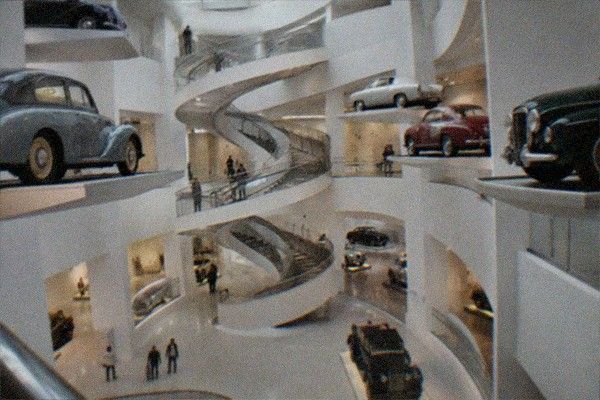
A museum built around the car needs a building that behaves like one, and the Beijing Auto Museum delivers: a curved steel-and-glass structure beside the South Fourth Ring Road in Fengtai, shaped like an eye or a wheel depending on who you ask, with exhibition floors stacked around a central atrium that visitors spiral through on ramps. The collection traces the automobile from the earliest horseless carriages to Chinese-made vehicles of the present day, mixing restored classics, cut-away chassis, and hands-on engineering displays. It is a specialist museum rather than a heritage site, and it draws a different crowd from the imperial palaces downtown: families, engineering students, and visitors who want to understand how China fell for the car. Entry costs CNY 30, and a reservation is required.
What Is The Beijing Auto Museum And Where Is It?
The Beijing Auto Museum is a specialist museum devoted to the history, engineering and culture of the automobile, located at 126 South Fourth Ring Road West in Fengtai District, on the southern stretch of Beijing's ring-road system. It is one of the few large museums in the capital dedicated to a single industry, and it treats that industry with the seriousness other museums give dynasties. The building itself, a sweeping curved landmark that is easy to spot from the Fourth Ring Road, holds permanent galleries covering the invention of the car, the evolution of design, the science of how vehicles work, and the story of motoring in China specifically.
What distinguishes it from most Beijing museums is its register. Where the National Museum of China narrates five thousand years of civilisation and The Palace Museum (Forbidden City) preserves an imperial court, the Auto Museum is about a machine barely more than a century old and the country that went from bicycles to the world's largest car market within two generations. The displays are built accordingly: vehicles are shown cut open, hoisted, and dismantled so their working parts are visible, and many exhibits are designed to be operated rather than merely looked at.
The museum sits in Fengtai, a southwestern district that most first-time visitors never reach, which has a practical upside: it is noticeably less crowded than the museums along the central axis. It is a purpose-built modern venue rather than a converted palace or temple, which means lifts, wide galleries, ramps between floors, and the kind of circulation a car museum almost demands. Allow a half day rather than a full one; it is not a day-trip destination in the way the Great Wall sites are, but it rewards a slower pace than its floor plan suggests.
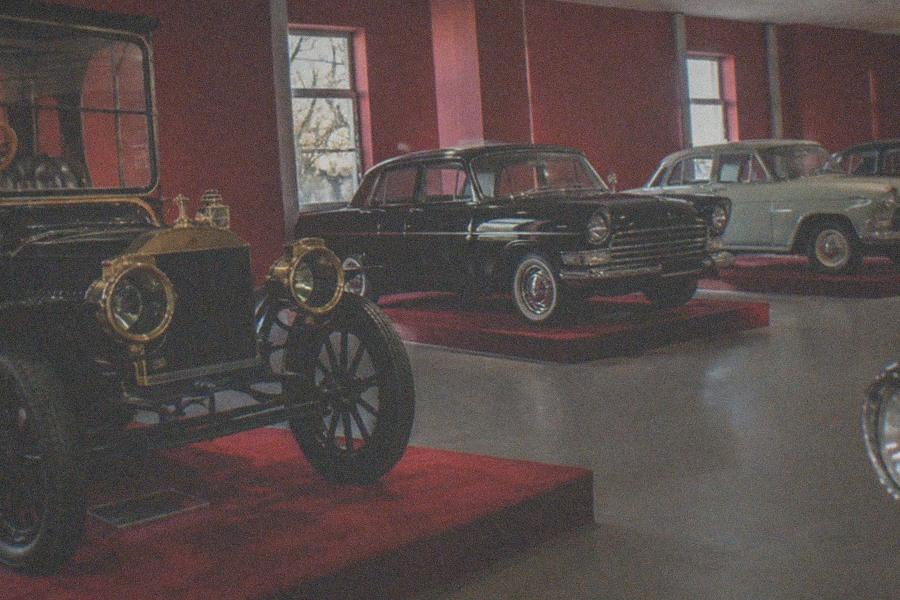
For visitors assembling an itinerary, the Auto Museum pairs naturally with other hands-on, technology-oriented venues. Families who enjoy it tend to also enjoy the China Science and Technology Museum in Chaoyang, which covers interactive science more broadly and, like this museum, charges CNY 30 at the door. The two make a good contrast: one explains the physical world in general, the other a single machine that reshaped it.
How Much Do Beijing Auto Museum Tickets Cost?
Admission to the Beijing Auto Museum is CNY 30 per adult at the door. This is a paid museum, not a free one, and the price is confirmed and stable. There is no free-entry policy of the kind that applies to many state museums in Beijing; the CNY 30 charge applies to standard adult admission, and the museum's own reservation channel at automuseum.org.cn is where tickets are booked. The museum offers an English-language version of its official site, which is helpful for foreign visitors checking details directly.
At CNY 30, the Auto Museum sits in the middle band of Beijing museum pricing. It matches the China Science and Technology Museum's door price and the Confucius Temple and Imperial College Museum, costs more than the smaller specialist museums such as the Beijing Ancient Architecture Museum at CNY 15, and far less than the private Guanfu Museum at CNY 100. What you get for the price is a large, modern, purpose-built venue with extensive permanent galleries rather than a single historic hall.
| Ticket | Price |
|---|---|
| Adult admission (door price) | CNY 30 |
| Booking route | Official channel only, advance reservation |
| Reservation required | Yes |
| Reservation window | Up to 7 days ahead via WeChat mini-programs |
| Free entry | No, this is a paid museum |
Do not confuse the door price with anything sold on an international travel platform. The CNY 30 figure is what the museum itself charges, in Chinese yuan, at its own channel. There is no verified third-party ticket product for this museum, and the museum's reservation system is the route that guarantees you are buying genuine admission. Anyone reselling Auto Museum entry at a marked-up price is adding a service you do not need, since the official channel is open to the public and the museum's own site carries an English version.
Concession policies, such as reduced prices for children, students or seniors, are administered by the museum itself and vary by category; the confirmed figure for a standard adult is CNY 30, and any concession you may qualify for is applied through the same official reservation channel. Bring the relevant ID or student card if you intend to claim one.
How Does The Reservation System Work?
A reservation is required to visit the Beijing Auto Museum. You cannot simply walk up and buy a ticket at the entrance as the primary route: entry is managed through advance real-name booking, with slots released up to 7 days ahead through WeChat mini-programs. The exact time of day at which new slots are released is not published by the museum, so there is no daily release hour to plan around, only the 7-day window itself. The museum's own reservation page, automuseum.org.cn/HDPT/reserve.html, is the official entry point for this system.
The 7-day window works like this: on any given day, you can reserve for a visit date up to seven days in the future. This is the same window used by the Palace Museum and several other major Beijing venues, and it means last-minute planning is the main risk. If you decide to visit tomorrow and tomorrow's slots are gone, there is no fallback purchase at the door in the way walk-up museums allow. Book as early in the window as your itinerary permits, especially for weekends and school holidays, when family demand for a hands-on museum is at its highest.
Two practical cautions follow from the record. First, the release time within each day is not published, so do not build a plan around a specific hourly drop the way visitors do for venues that announce one; simply book when the window opens for your chosen date. Second, whether a foreign passport works in the museum's WeChat reservation channel is not confirmed in the published material, so foreign visitors should be prepared for the possibility that the mini-program's real-name registration is built around Chinese ID. The museum's English-language official site is the place to verify the current registration requirements before relying on a passport alone.
This reservation-first pattern is now the norm across Beijing. Of the thirty-plus major museums in the city, the large majority require an advance real-name reservation, and free admission almost never means walk-in entry. The Auto Museum is a paid venue, but it follows the same logic: capacity is managed by slot, not by gate. Treat the reservation as the actual act of buying your visit, and the day itself as the easy part.
When Is The Museum Open And Closed?
The Beijing Auto Museum is closed on Mondays, under a closure policy that took effect from 1 September 2025, with exceptions for statutory holidays. This means a Monday visit is off the table for most of the year, and it is the single most expensive planning mistake available for this museum. On open days, entry is by reserved time slot, so your effective visiting window is the one you booked rather than a general open-door period.
The Monday closure is the standard Beijing museum rhythm, and the statutory-holiday exception matters: during the major public holiday weeks, the museum may open on what would otherwise be its closed day, because statutory holidays override the weekly closure. If your trip falls over a national holiday, the Monday rule may not apply, but demand for slots will be correspondingly higher, so the reservation becomes more important even as the closure relaxes.
Because the museum publishes its visit through a slot-based reservation system, the practical question is not only when the museum is open but when your slot is. Arrive close to your reserved entry time, bring the ID document you registered with, and expect standard security screening at the entrance. Visitors planning a multi-museum day should note that the Monday closure is shared by most of the city's major museums, so a Monday in Beijing is best spent on parks, temples without museum closures, or the few venues that break the pattern, such as the Capital Museum, which closes on Tuesdays instead.
For trip structure, the Auto Museum is a half-day venue rather than a day trip. Fengtai is a district many visitors pass through on the way to Beijing West Railway Station or the Marco Polo Bridge area without stopping; the museum is the district's strongest reason to stop. Combine it with a morning or afternoon elsewhere in the southwest, or treat it as a focused standalone visit for a car-mad member of the family.
What Will You See Inside?
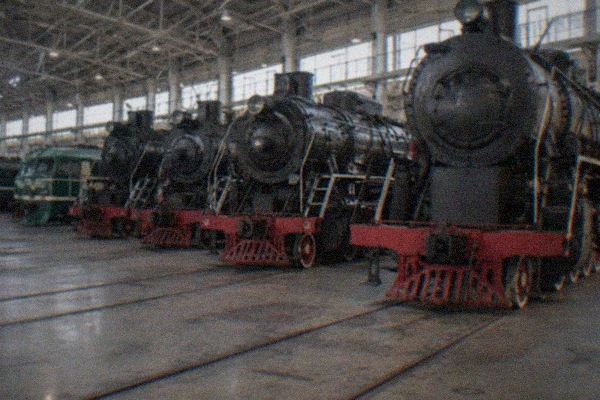
The Beijing Auto Museum's galleries cover the full arc of the automobile: the invention of the horseless carriage, the engineering that makes a car work, the design and social history of motoring, and the rise of the Chinese car industry. Vehicles are displayed as both objects and teaching aids, with cut-away bodies, exposed chassis and interactive stations that let visitors, especially children, operate and understand mechanical principles rather than just look at polished bodywork.
The museum's approach is chronological at the bottom and thematic as you climb. Early galleries place the birth of the car in its late-nineteenth-century context, showing how a carriage with an engine became, within a few decades, the defining machine of the twentieth century. Later floors turn to the science: how an engine converts fuel to motion, how braking, steering and suspension systems behave, and how safety design evolved. This is the part of the museum that works hardest for younger visitors, and it is where the hands-on density is highest.
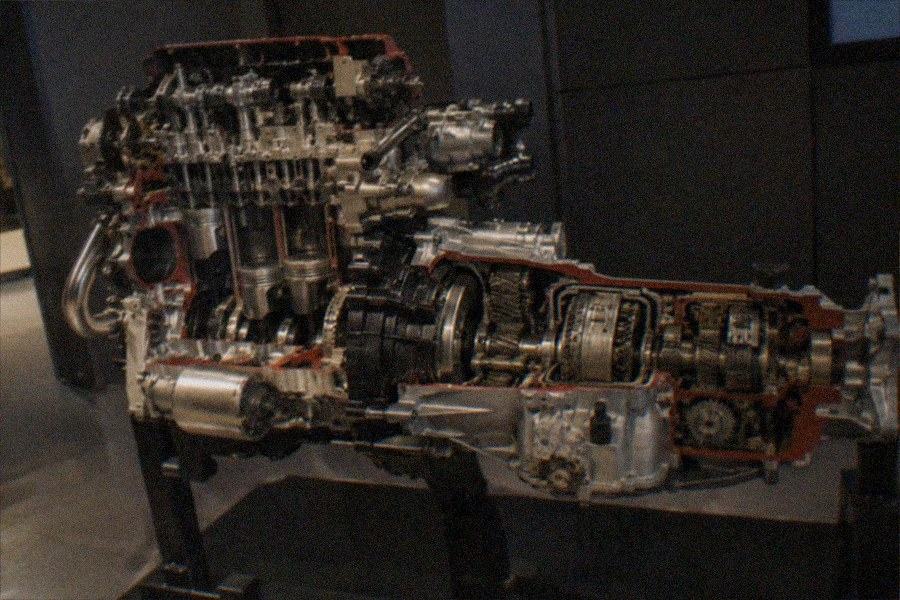
The Chinese-industry galleries are, for many foreign visitors, the most interesting part, because they tell a story that is not told in European or American car museums: how a country with almost no private motoring culture became, within living memory, the largest automobile market on earth. From the first state-built sedans through the joint-venture era to the current generation of Chinese-designed vehicles, the displays document an industrial transformation at a pace with few historical parallels.
Compared with other Beijing museums, the Auto Museum is unapologetically specialist. It does not attempt the sweep of the National Museum of China or the imperial grandeur of the The Palace Museum (Forbidden City). What it offers instead is depth on one subject, delivered with production values closer to a science centre than a heritage institution. Visitors with no prior interest in cars tend to leave with one; visitors who arrived with one can easily spend the full half day.
How Do You Get There And Plan The Visit?
The Beijing Auto Museum is at 126 South Fourth Ring Road West, Fengtai District, Beijing, and the practical way to reach it is by metro or taxi along the Fourth Ring corridor in the city's southwest. The museum sits directly on the ring-road system, so a taxi or ride-hailing driver will know the address by its ring-road location, and the Beijing Subway network's official route planner at bjsubway.com is the tool for working out the metro combination from wherever you are staying.
Because the museum is a reservation-first venue, planning works backwards from your slot rather than forwards from your hotel. Book your slot up to seven days ahead through the WeChat mini-program route described above, fix your entry time, then plan transport to arrive shortly before it. The museum's location on a ring road means the last leg is often faster by car than by a long walk from a distant station, so check the walking distance from whichever station the journey planner gives you before committing.
| Fact | Detail |
|---|---|
| Area | Fengtai District |
| Address | 126 South Fourth Ring Road West, Fengtai District, Beijing |
| Closed day | Monday (from 1 September 2025, except statutory holidays) |
| Reservation required | Yes, up to 7 days ahead via WeChat mini-programs |
| How long to allow | About half a day |
A sensible visiting pattern is a morning or afternoon of two to three hours inside, which covers the permanent galleries at a comfortable pace with time for the interactive floors. Families with engaged children will use the full allowance; a visitor with a passing interest can see the highlights in less. The museum is not positioned as a day trip, and there is no need to devote a full day to it, but it is worth the journey out of the centre for anyone with an interest in engineering, industrial history, or modern China's transformation.
One last planning note: because the museum closes on Mondays and runs on reservations, the failure modes are all in the booking stage. Reserve early, keep your registered ID document with you on the day, and avoid treating a Monday as a spare day for this museum. Everything else about the visit is straightforward.
Questions People Ask
How much does it cost to visit the Beijing Auto Museum?
Admission is CNY 30 per adult at the door. This is a paid museum, not a free one, and the price is the confirmed standard adult rate. Tickets are obtained through the museum's official reservation channel rather than at the gate as the primary route.
Do I need a reservation for the Beijing Auto Museum?
Yes. A reservation is required, and slots open up to 7 days ahead through WeChat mini-programs. The exact time of day when new slots are released is not published, so book as early in the 7-day window as your plans allow, particularly for weekends and holidays.
When is the Beijing Auto Museum closed?
The museum is closed on Mondays, a policy in effect from 1 September 2025, except statutory holidays. During major public holiday weeks the Monday closure may be lifted, but demand for reservation slots is higher then, so book early.
Where is the Beijing Auto Museum located?
The museum is at 126 South Fourth Ring Road West, Fengtai District, Beijing, in the city's southwest. It sits directly on the ring-road corridor, making taxi and ride-hailing straightforward, and the Beijing Subway's official planner at bjsubway.com helps with metro routing.
How long should I spend at the Beijing Auto Museum?
About half a day. Two to three hours covers the permanent galleries, the interactive engineering displays and the Chinese automobile industry floors at a comfortable pace. Families with children often use the full allowance; it is not a full-day or day-trip venue.
Can a foreign visitor book Beijing Auto Museum tickets?
The museum's official site has an English version, and its reservation page at automuseum.org.cn is the official booking route. Whether a foreign passport is accepted in the WeChat reservation channel is not confirmed in published material, so foreign visitors should verify registration requirements through the museum's own English site before relying on a passport.
Is the Beijing Auto Museum good for children?
Yes, it is one of the more child-friendly museums in Beijing. Its galleries are built around hands-on engineering displays, cut-away vehicles and interactive stations rather than glass cases alone, and the science-focused floors are designed to be operated, which suits younger visitors well.
Is the Beijing Auto Museum free?
No. Unlike many state museums in Beijing that offer free entry with a reservation, the Auto Museum charges CNY 30 for standard adult admission. The reservation requirement applies regardless, so free-entry assumptions from other Beijing museums should be set aside here.