Ming Tombs: Dingling And Changling Tickets
from $20 per person, live price on the listing
Check Price & Availability →Opens the official listing with live dates and prices. Book there; nothing is charged on this site.
- Area
- Changping
- Theme
- Imperial Beijing
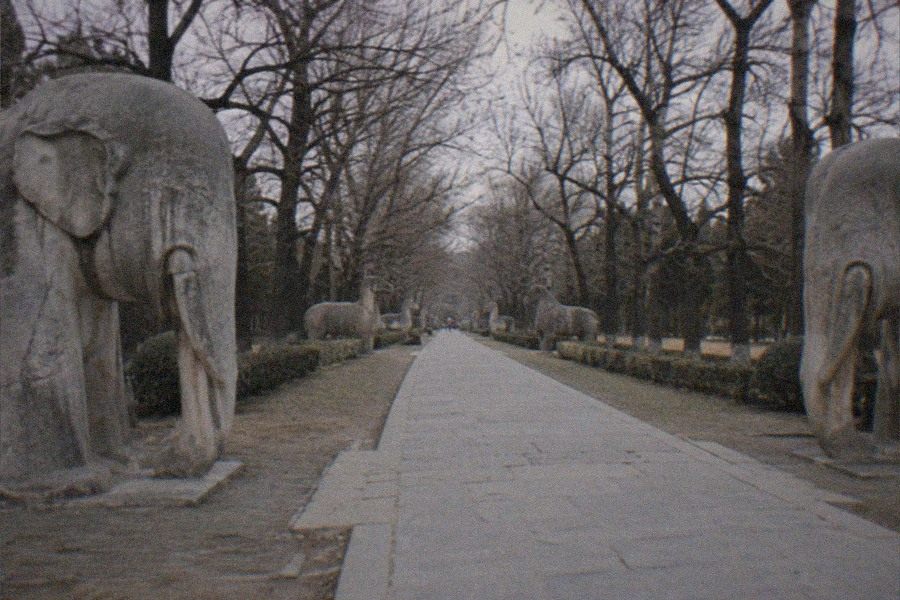
Thirty miles north of central Beijing, the Spirit Way to the Ming Tombs runs past a line of stone camels, elephants and generals that have guarded the valley for over four centuries. Thirteen Ming emperors are buried here, but only two tombs are fully open to visitors. Dingling is the only one whose underground palace has been excavated: a vaulted stone chamber reached by staircases deep below the mound, built for the Wanli Emperor. Changling, the tomb of the Yongle Emperor who moved the capital to Beijing, is the grandest of the thirteen and its Ling'en Hall is the largest surviving wooden structure built with nanmu pillars. Together they make the most substantial imperial day trip in the Beijing region, and the site is listed as a day-trip destination rather than a city museum.
What Are The Ming Tombs And Which Parts Can You Visit?
The Ming Tombs are the burial valley of thirteen Ming emperors in Changping District, and the two tombs open to visitors are Dingling, the excavated underground palace of the Wanli Emperor, and Changling, the largest tomb, built for the Yongle Emperor. The site is classed as an imperial attraction rather than a museum, and it is a genuine day trip from central Beijing.
The valley was chosen by the Yongle Emperor in the early fifteenth century, and the approach is the Spirit Way, a processional road lined with stone statues of animals, officials and generals. Of the thirteen tombs scattered through the valley, Dingling and Changling are the two that visitors can enter, and they are a short drive apart rather than a single compound, so plan on moving between them.
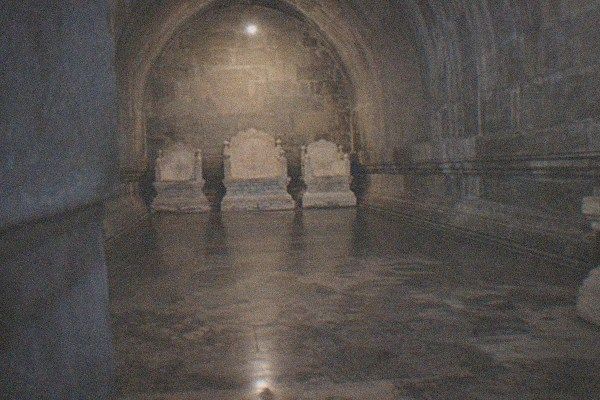
Dingling is the reason most people come. It is the only Ming tomb at the site to have been archaeologically excavated, in the 1950s, and the excavation exposed the underground palace: a sequence of vaulted chambers of stone, reached by deep staircases, where the Wanli Emperor and two empresses were buried. The excavated artefacts, including crowns and porcelain recovered from the chambers, are displayed in the site's exhibition halls. Changling takes the opposite approach: nothing has been excavated, but its surface architecture is the most complete of the thirteen, and the Ling'en Hall stands on the same scale as the great halls of the Forbidden City. For visitors who have already seen The Palace Museum (Forbidden City), Changling makes an instructive comparison, because it repeats the palace vocabulary of courtyards, gates and columned halls in a funerary setting.
Because the two tombs are separate ticketed sites within one valley, decide in advance whether you are doing both. The combination is a full outing, and the site is flagged as a day-trip destination, so treat it as the main item of your day rather than a stop between other sights.
How Much Do Tickets Cost?
Admission at the door is CNY 60 for the Dingling and Changling visit as carried in this site's verified record. A third-party booking product is also sold from USD 20, which is a separate transaction from the door price and covers a reservation service rather than the venue's own ticket counter. Entry is not free.
The two figures belong to different transactions and should not be compared as one price. The CNY amount is what the venue itself charges for admission. The USD figure is what a booking product charges to handle the advance reservation on your behalf, in English, with international payment methods. Which one suits you depends mainly on whether you can work the venue's own reservation channel, which is a WeChat mini-program rather than a public website.
| Transaction | Price | What it covers |
|---|---|---|
| Venue admission (at the door) | CNY 60 | Entry to the open tombs at the Ming Tombs site, subject to the venue's reservation rules |
| Booking product (from) | USD 20 | A third-party reservation service that books entry under your details; not the venue's own ticket counter |
The booking product carries a rating of 4.4 across 25 reviews, which is a thin but positive base; judge it on price and convenience rather than the star count alone. If you want to go that route, check availability on the listing before committing to a date, since the reservation system underneath is quota-based.
Do not expect a public web ticket page from the venue itself. The Ming Tombs admit through a WeChat account, and the Beijing government's English-language page for the site, at english.beijing.gov.cn, is the official English reference for the attraction. It is a description of the site, not a checkout page, and the actual booking happens inside WeChat.
How Does The Reservation System Work?
A reservation is required: the Ming Tombs do not operate as a walk-up-only site. Booking is done in advance through the official WeChat mini-program, and the venue publishes no public website that sells tickets. How many days ahead the window opens is not published, so plan on booking as early as your itinerary allows.
This is the part of a Ming Tombs visit that catches most international travellers out. The reservation channel is a WeChat mini-program run for the Changping cultural-tourism sites, not a web page you can reach from a browser. If you have WeChat set up on your phone, the flow is manageable: search for the mini-program, select the tomb and date, and register each visitor by name. If you do not, the third-party booking product described above exists precisely for this situation, handling the reservation under your details so you arrive with entry already secured.
Two honest gaps in the published record matter for planning. First, the number of days ahead at which slots open is not published for this site, so there is no release time to sit and wait for; the practical approach is to book as soon as your dates are fixed. Second, the site's weekly closed day is not published in this record, so confirm your day of the week against the official channel before travelling out to Changping, because turning up on a closure day after a long trip out of the city is an expensive mistake.
Real-name registration is the norm across Beijing's reserved sites, and the same passport-and-planning discipline that gets you into Lama Temple (Yonghegong) or Prince Gong’s Mansion applies here: whatever channel you book through, carry the same ID you registered with, because entry is checked against it at the gate.
How Do You Get There From Central Beijing?
The Ming Tombs sit in Shisanling Town in Changping District, well north of the city, and the site is classed as a day trip rather than an in-town museum stop. There is no confirmed nearest subway station in this site's verified record, so do not plan around a specific station; route and fare information for the Beijing network is published at bjsubway.com.
Geography is the main planning fact. Changping is a northern outer district, and the tombs are scattered through a valley rather than clustered at one gate, so even after you reach the area you will be moving between the Spirit Way, Dingling and Changling. Many visitors combine the trip with a driver or an organised day tour for exactly this reason: the distances between the tombs are walkable in pleasant weather but not trivial, and public transport connections between the individual sites are limited.
If you are building the trip around public transport, use the Beijing Subway's own site to work out how far the network takes you and what the last leg involves. Budget a full day for the outing: travel out, the Spirit Way, both tombs, and travel back is a complete day's programme, and squeezing it into a half-day with other central Beijing sights usually fails on travel time alone.
Season matters more here than at a city museum. The valley is at its best in late autumn, when the gingko avenues turn, and at its most crowded on national holidays, when the reservation quota is under the heaviest pressure. A weekday outside holiday periods is the calmest combination.
What Should You Actually See Once Inside?
See the underground palace at Dingling and the Ling'en Hall at Changling: the first is the only excavated Ming tomb chamber open to the public in the valley, and the second is the largest surviving tomb architecture at the site. Walk the Spirit Way's stone statues if your schedule allows, because they are the most photographed element of the whole valley.
At Dingling, the visit is a descent. Staircases take you down into the underground palace, a sequence of stone-vaulted chambers built to hold the Wanli Emperor and two empresses. The chambers themselves are austere, and that is the point: the experience is architectural rather than decorative. The excavated finds, recovered when the tomb was opened in the 1950s, are shown in the exhibition areas, and they are what give the site its museum-like dimension, with imperial regalia and porcelain among the material recovered from the burial chambers.
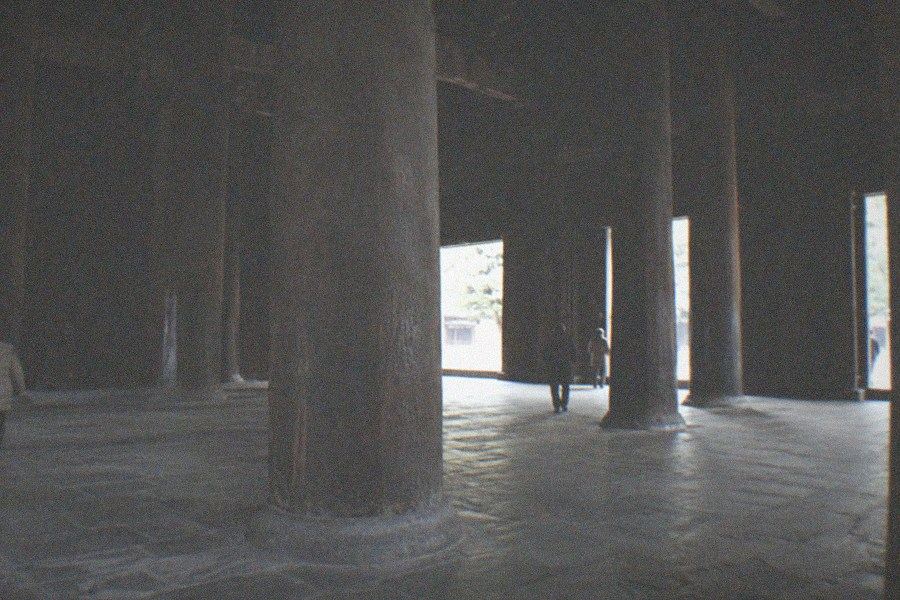
At Changling, everything happens above ground. The tomb of the Yongle Emperor, the man who moved the Ming capital to Beijing, is the grandest of the thirteen, and its Ling'en Hall is a colossal single-storey timber building raised on a triple terrace. Visitors who have walked the great halls of the Forbidden City will recognise the structural language immediately, but here it serves a tomb rather than a court. The contrast between the two sites is the real content of a Ming Tombs visit: one tomb shows you what the emperors put underground, the other shows you what they built on the surface to announce it.
Pace yourself accordingly. Dingling involves stairs and a cooler underground temperature, so bring a layer even in summer. Changling involves open courtyards with little shade, so a hat and water matter in the warmer months. Comfortable shoes are not optional advice at this site: the valley is built for processions, not for strolling.
Is The Ming Tombs Visit Worth The Trip Out Of The City?
Yes, for visitors with an interest in imperial history or Ming architecture, and especially for anyone who has already visited the Forbidden City and wants to see where the same dynasty buried its emperors. The site is a genuine day trip, so it earns its place only if you give it a full day rather than a rushed detour.
The strongest argument for going is completeness. Beijing's imperial story is usually told through the palaces where the emperors lived and worshipped, at the Forbidden City, the Temple of Heaven, and residences like Prince Gong's Mansion. The Ming Tombs close that story with the architecture of death: the same dynasty, the same craftsmen, the same processional logic, applied to a burial valley. Dingling's underground palace is also simply unique in the region, the only excavated imperial tomb chamber of its kind that a visitor can walk into.
| Fact | Detail |
|---|---|
| Area | Changping District |
| Address | Shisanling Town, Changping District, Beijing |
| Reservation required | Yes, in advance via the official WeChat mini-program |
| How far ahead the window opens | Not published by the venue |
| How long to allow | A full day including travel from central Beijing |
The arguments against are practical. The trip costs most of a day, the reservation channel is WeChat-based rather than web-based, and the two open tombs are a fraction of what the valley contains, which disappoints visitors who expect thirteen accessible tombs. Set expectations accordingly: two tombs, one processional road, and a valley drive between them.
For a first Beijing trip of three or four days, the city-centre imperial sites come first. For a longer stay, or a second visit, or a traveller with a car and a clear weekday, the Ming Tombs are one of the most rewarding outings in the wider Beijing region, and the underground palace at Dingling is something no central-city museum can replicate.
Questions People Ask
Do I need a reservation for the Ming Tombs?
Yes. The site requires an advance reservation, made through the official WeChat mini-program. There is no public website that sells tickets for the venue, and the venue publishes no walk-up-only policy. If you cannot use WeChat, a third-party booking product from USD 20 can handle the reservation under your details.
How much does it cost to visit Dingling and Changling?
Admission at the door is CNY 60 for the visit as carried in this site's verified record. Separately, a booking product is sold from USD 20; that is a reservation service and a different transaction from the venue's own admission, so the two figures should not be compared or combined.
How many days ahead can I book?
The venue does not publish how far ahead its reservation window opens. The practical approach is to book as soon as your travel dates are fixed, either through the official WeChat mini-program or through the third-party booking product, since entry is quota-based.
What day of the week is the site closed?
The closed day is not published in this site's verified record, so confirm your intended day of the week against the official channel before travelling out to Changping. Because the site is a full day trip from central Beijing, arriving on a closure day is a costly mistake.
Which tombs can you actually go inside?
Two of the thirteen Ming tombs are open to visitors: Dingling, whose underground palace was excavated in the 1950s and can be entered by staircase, and Changling, the largest tomb, whose Ling'en Hall is the grandest surviving structure in the valley. The other eleven tombs are not open entries.
Can I visit the Ming Tombs and the Forbidden City on the same day?
Not comfortably. The Ming Tombs are in Shisanling Town in Changping District, well north of the city, and the site is classed as a day trip requiring a full day including travel. Give the tombs their own day and visit The Palace Museum (Forbidden City) on a separate one.
Is there a subway station at the Ming Tombs?
No confirmed nearest subway station appears in this site's verified record, so do not plan around a specific station. Route and fare information for the Beijing network is published at bjsubway.com, and many visitors use a driver or organised day tour for the final legs between the Spirit Way, Dingling and Changling.
Is the Ming Tombs a museum?
No. The site is an imperial attraction rather than a museum, though Dingling's exhibition areas display artefacts recovered from the excavated underground palace, including imperial regalia and porcelain. Treat it as a heritage day trip in the same family as Beijing's other imperial sites.
Other Imperial Museums Worth A Look
The Palace Museum (Forbidden City)
Dongcheng
from $7 per person, live price on the listing Check availability →
Lama Temple (Yonghegong)
Dongcheng
from $10 per person, live price on the listing Check availability →